
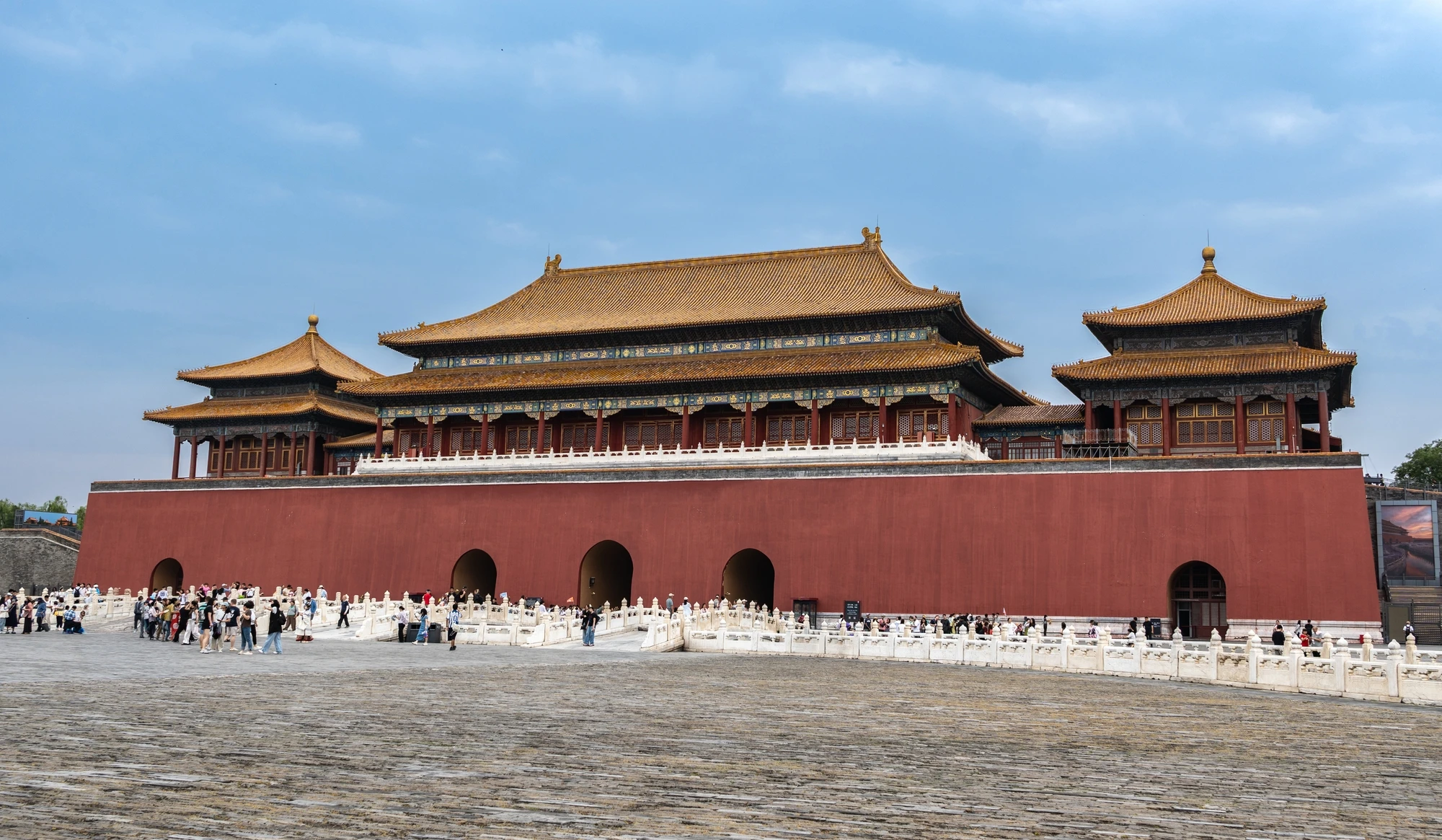
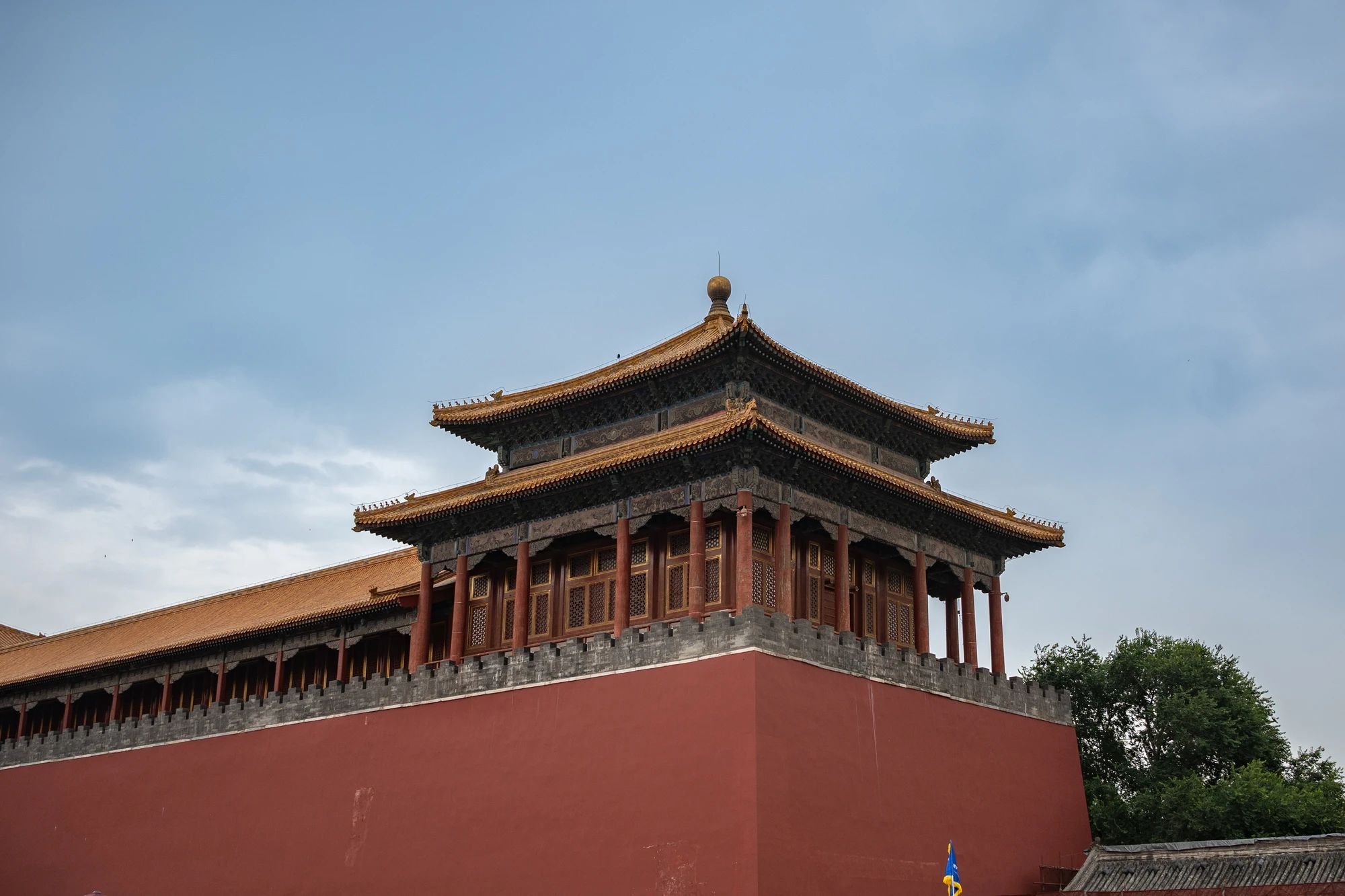


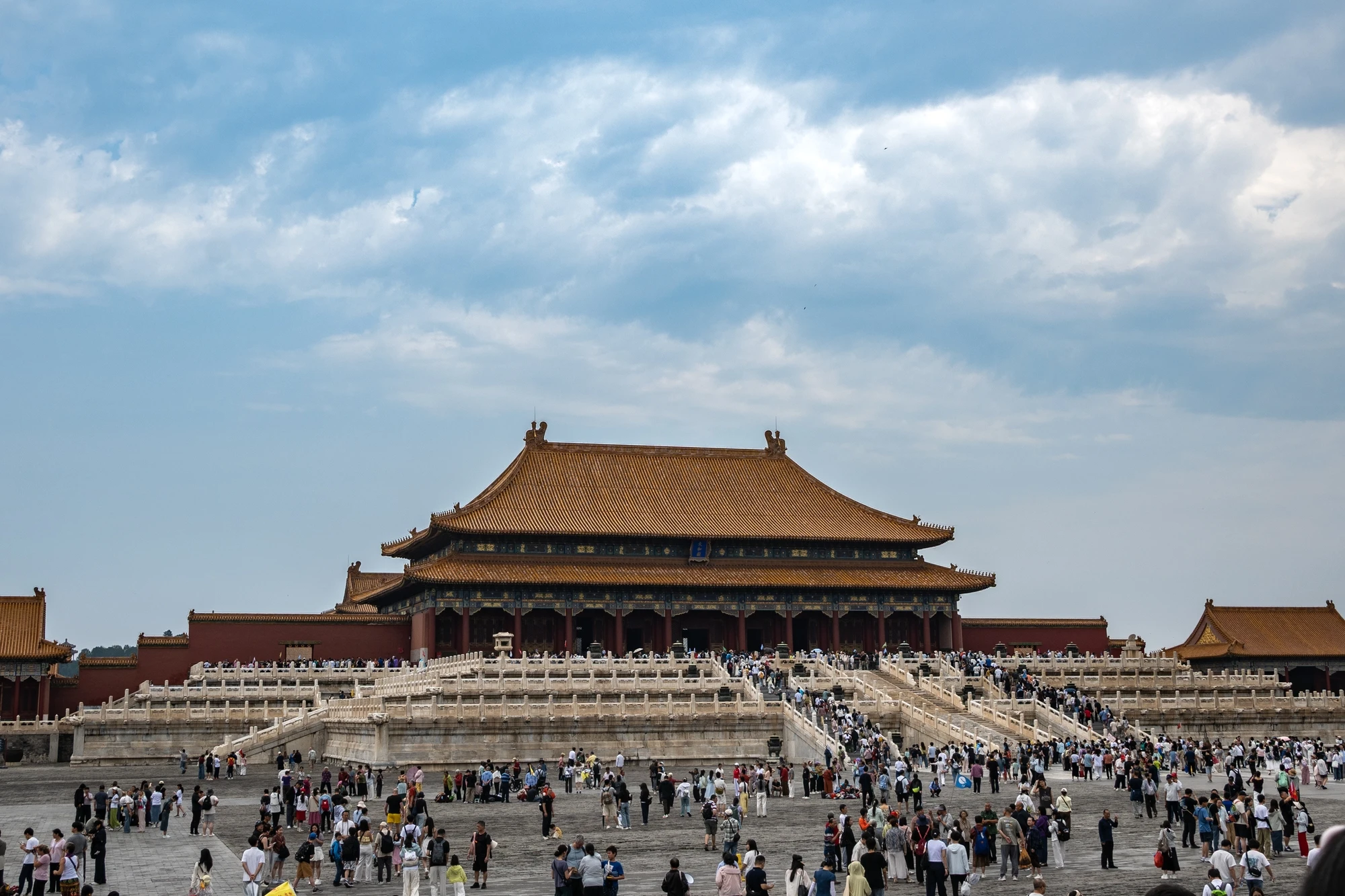
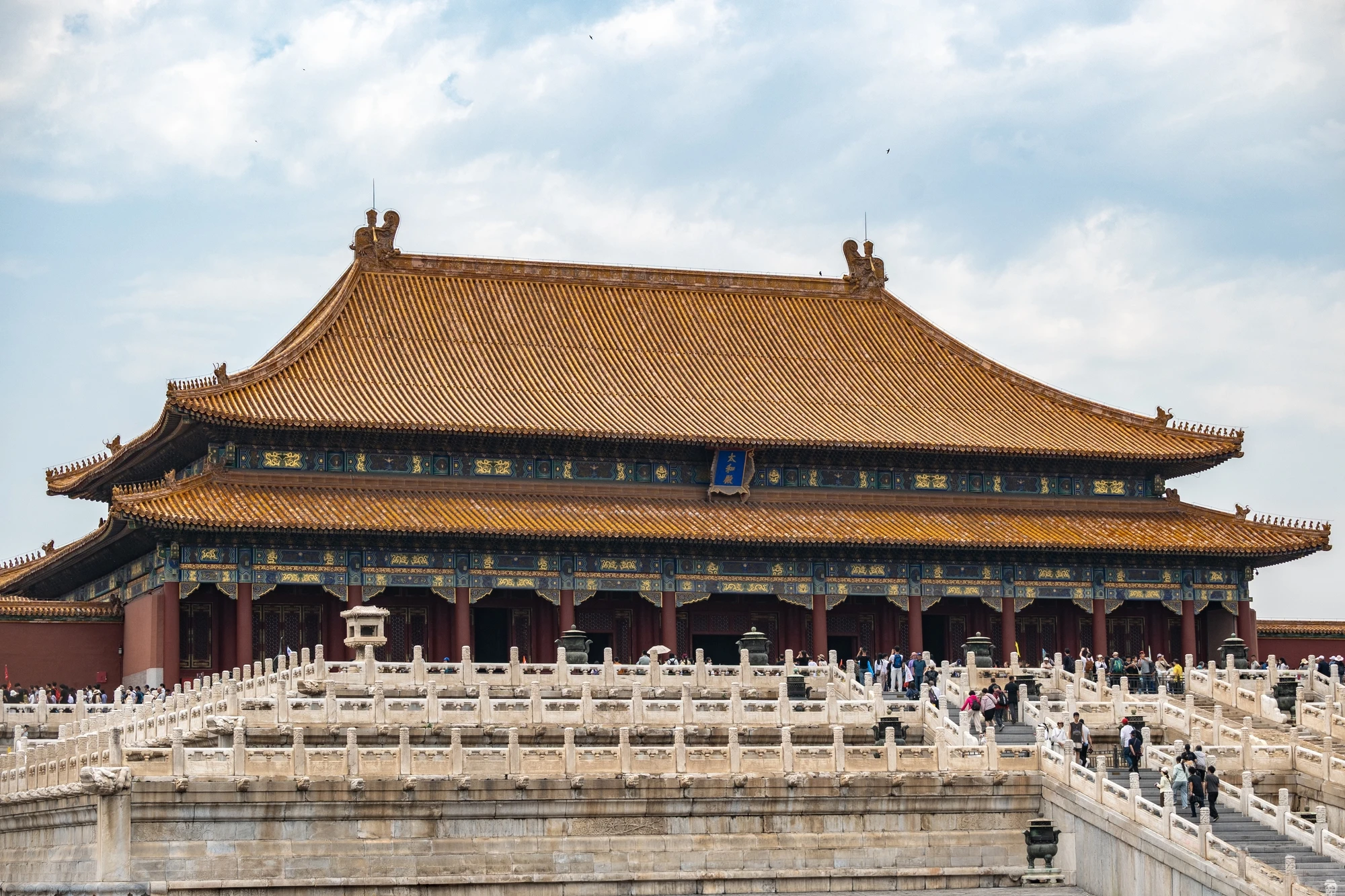


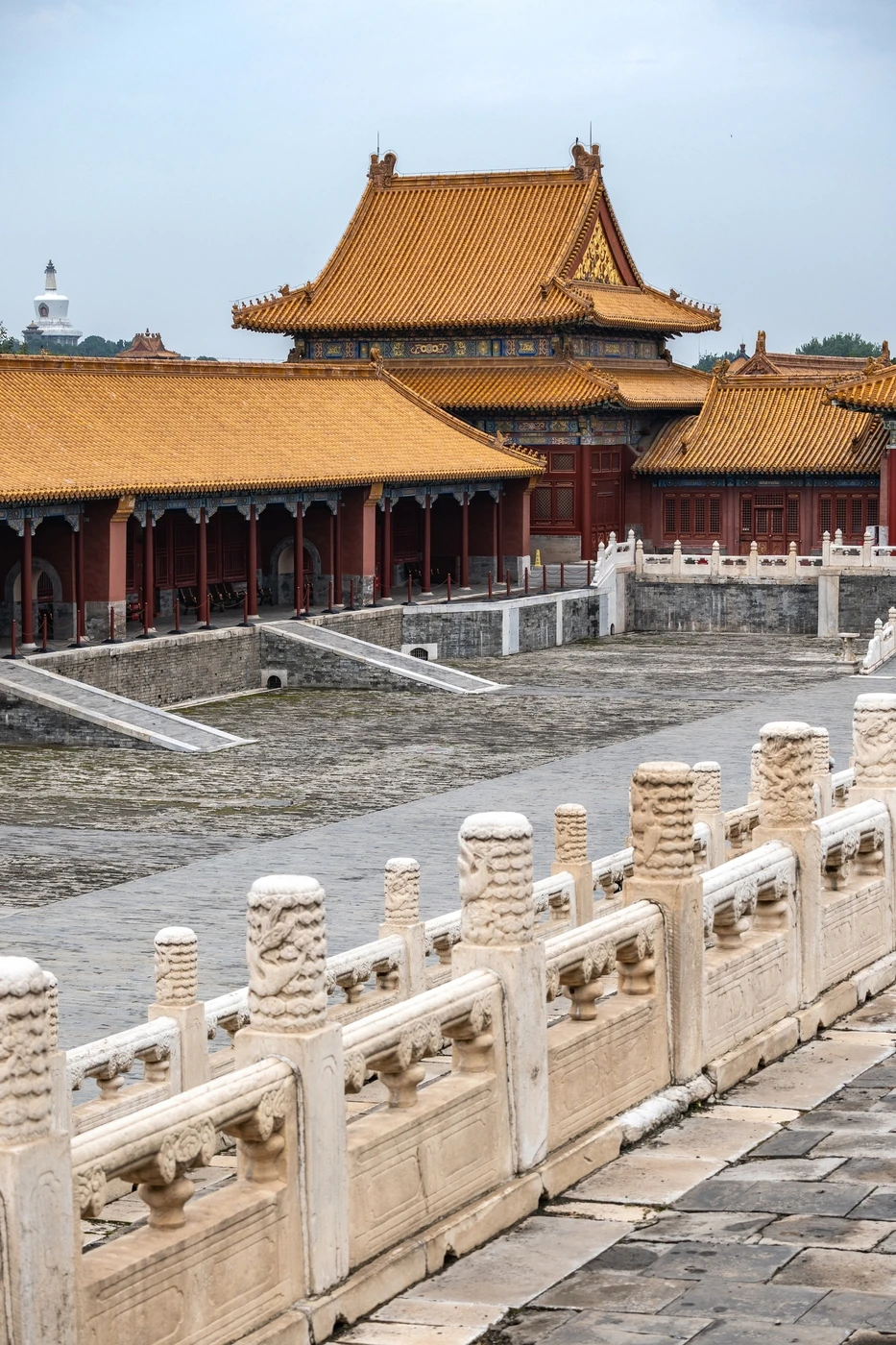






The Forbidden City, also known as the Imperial Palace, is one of the most remarkable architectural landmarks in Beijing. Its design is rich in symbolism reflecting traditional Chinese culture, philosophy and imperial power.
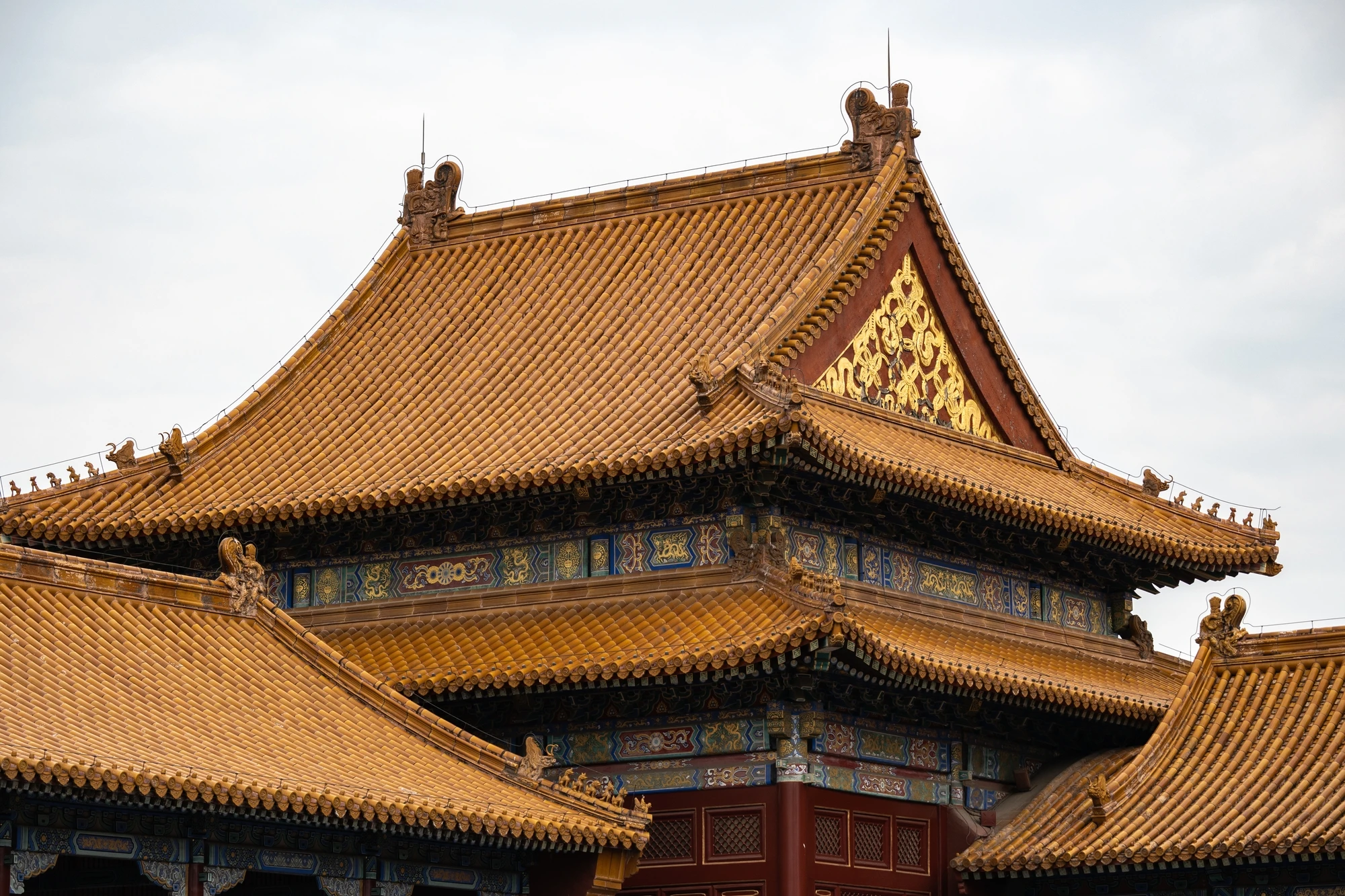
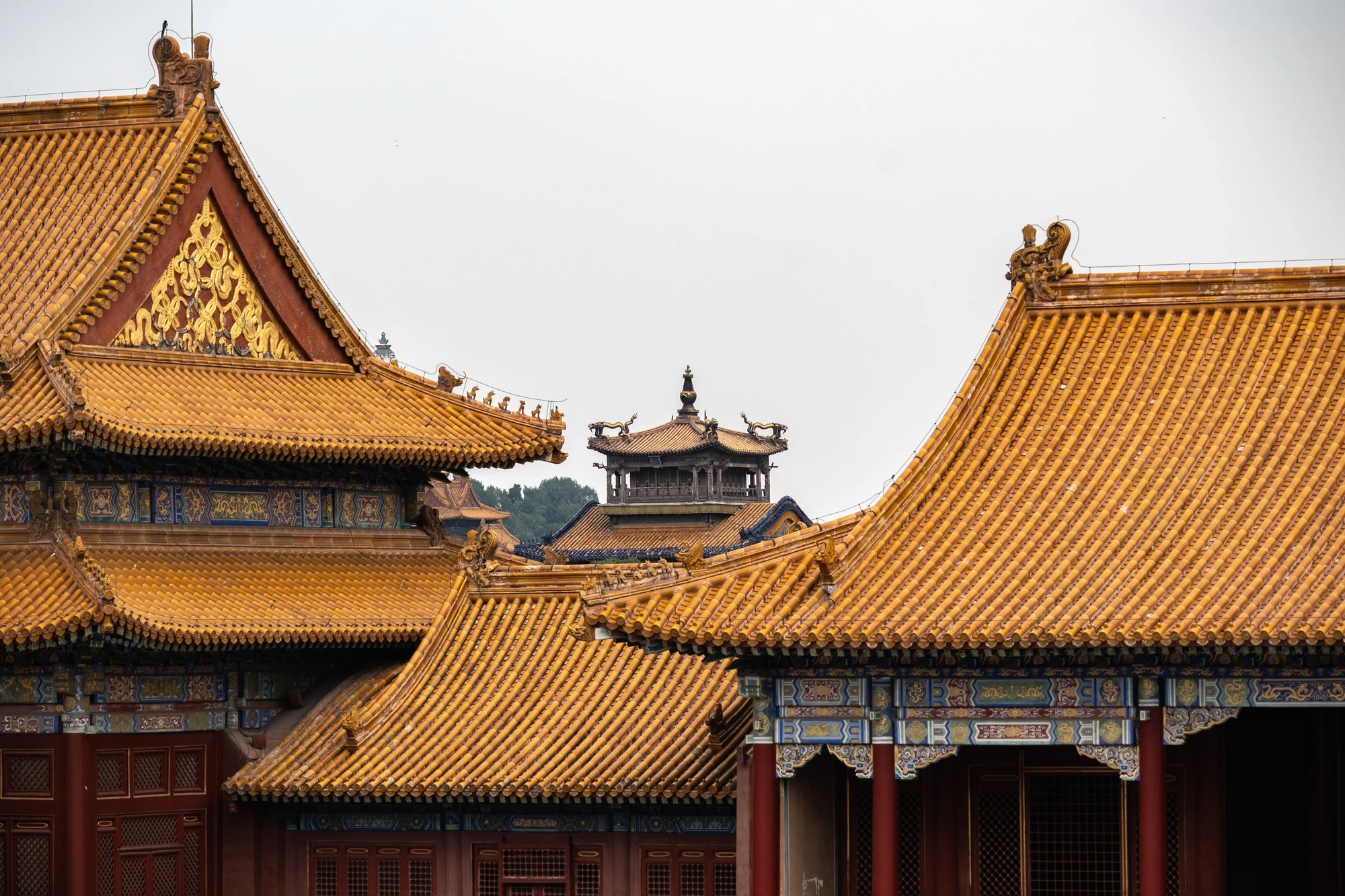
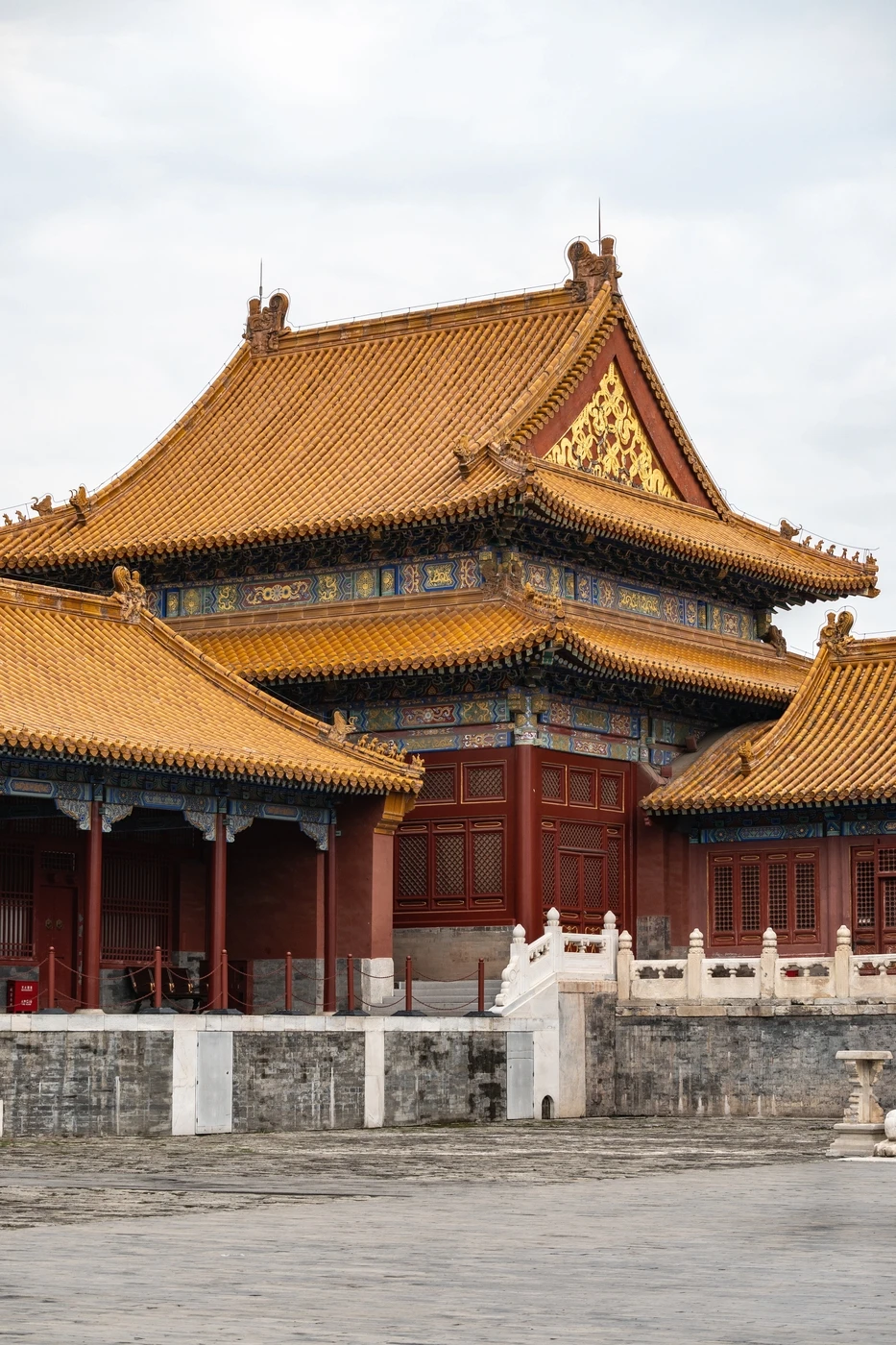
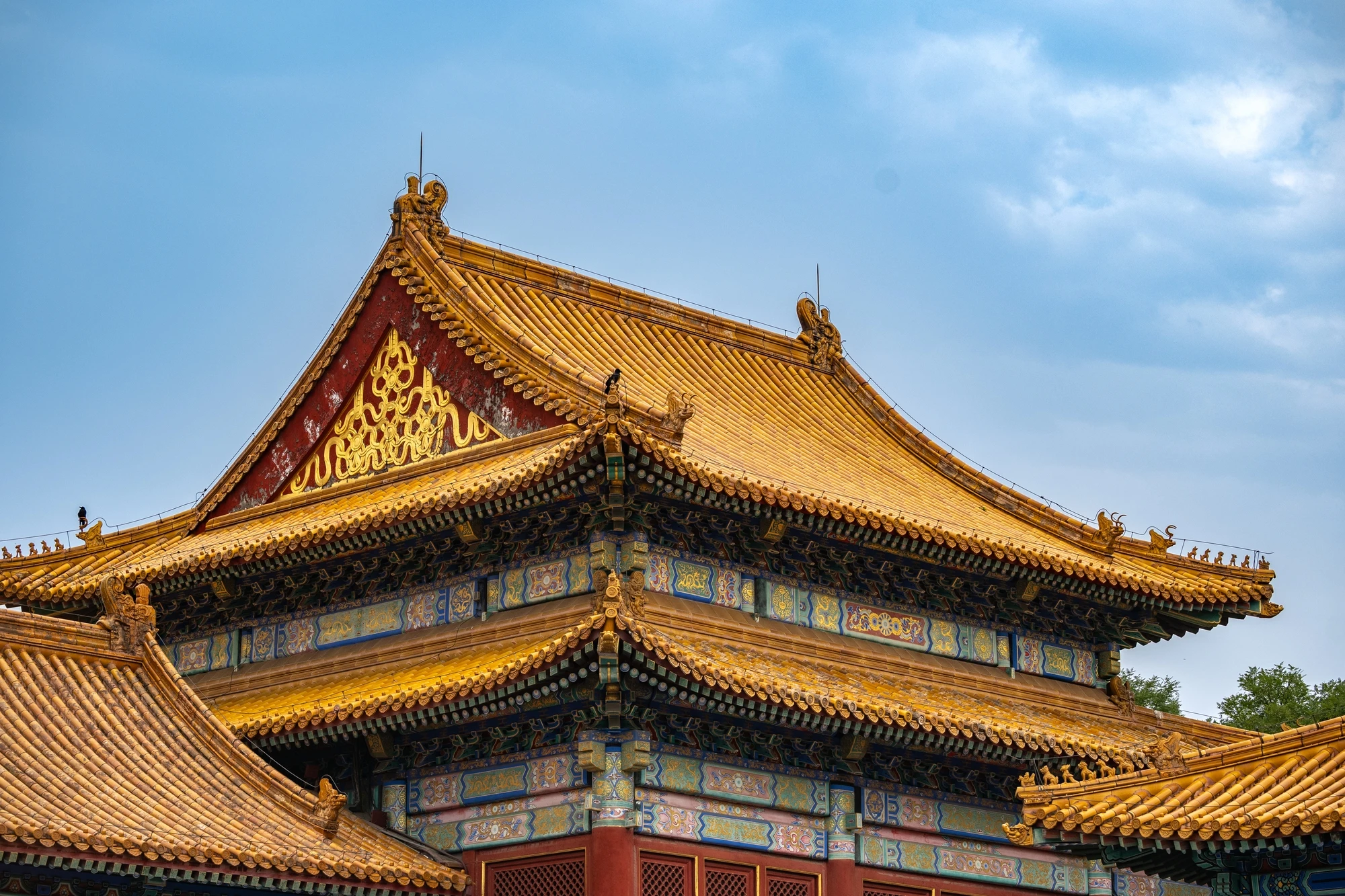
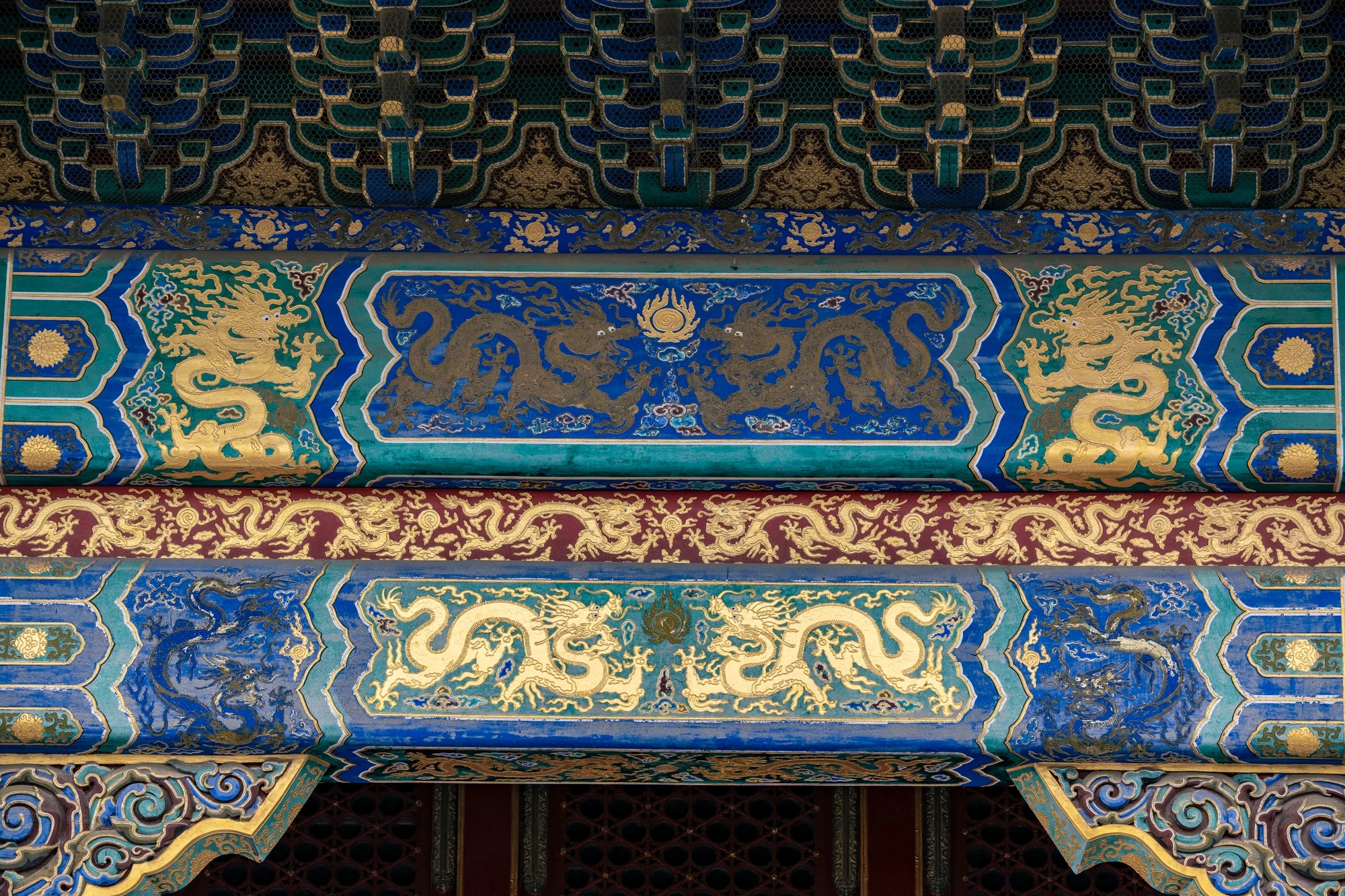
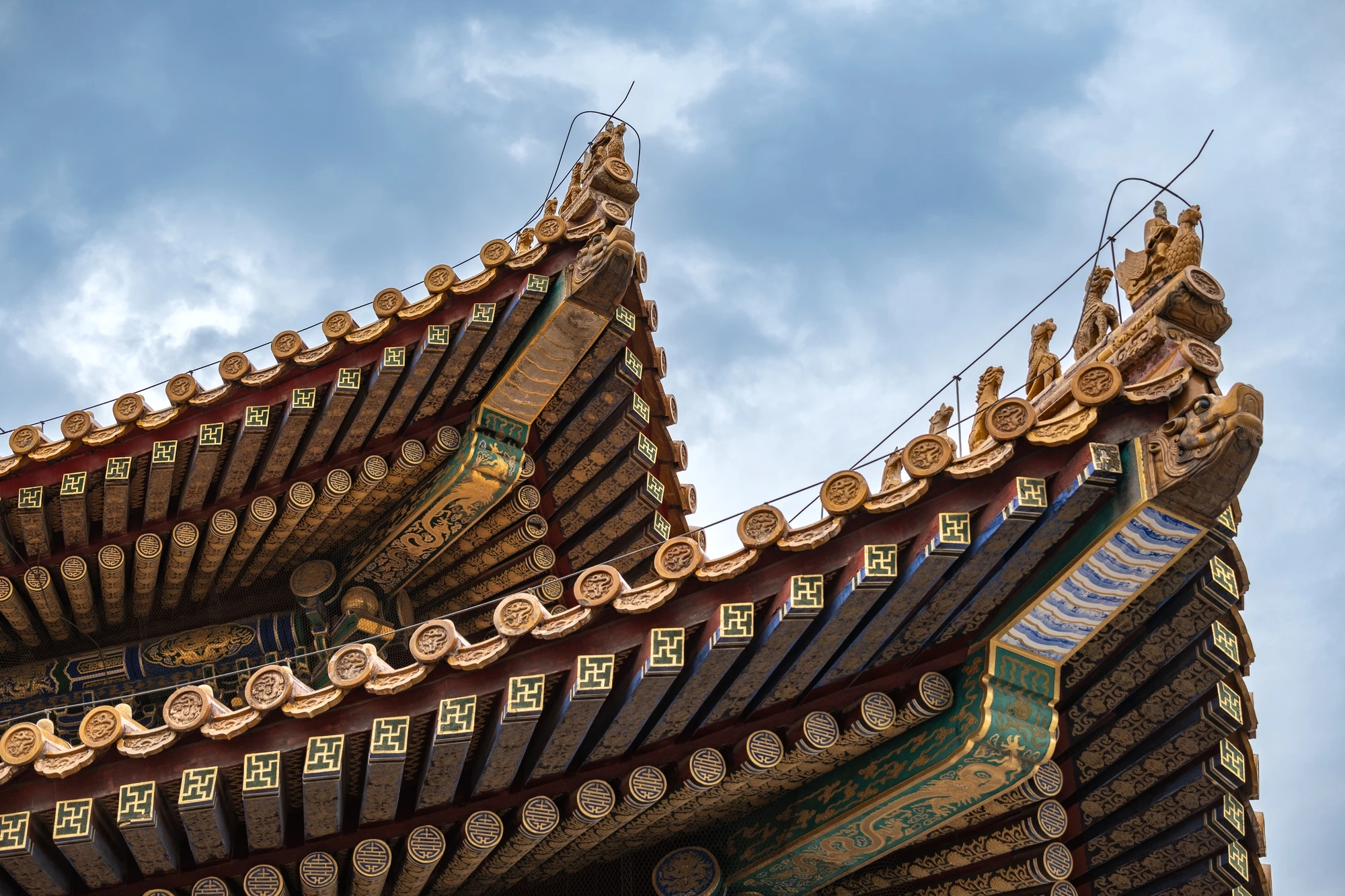
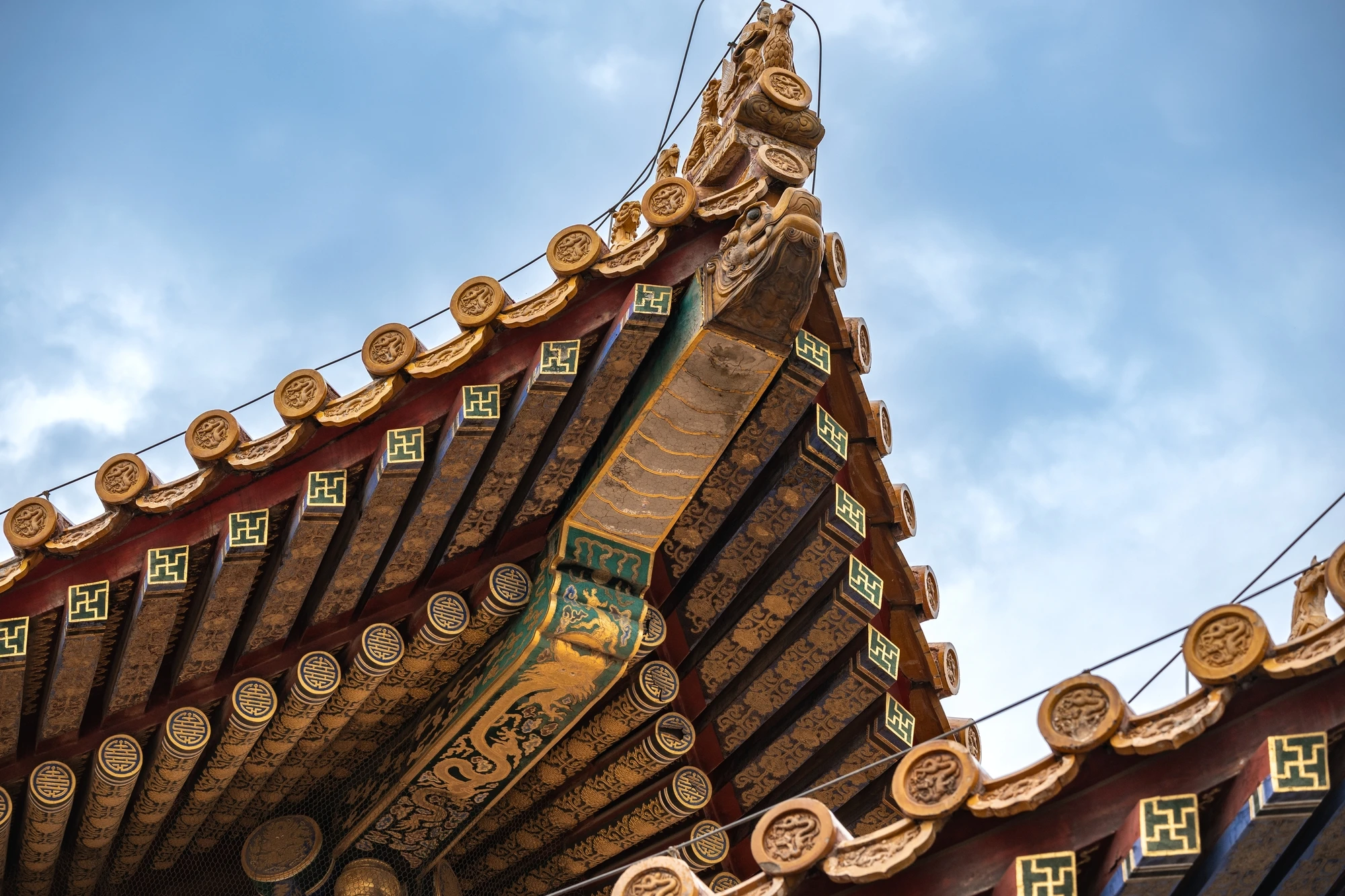
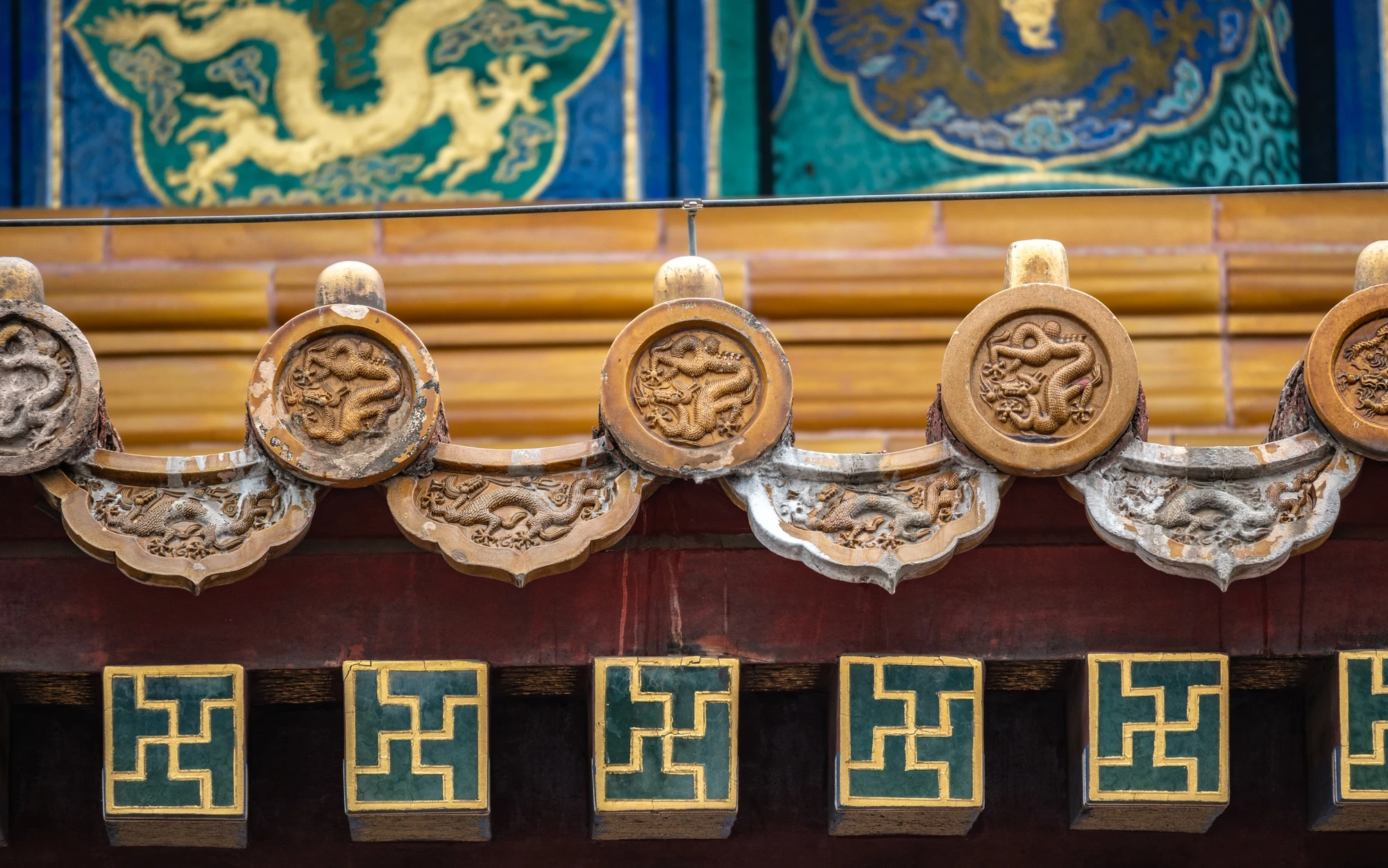
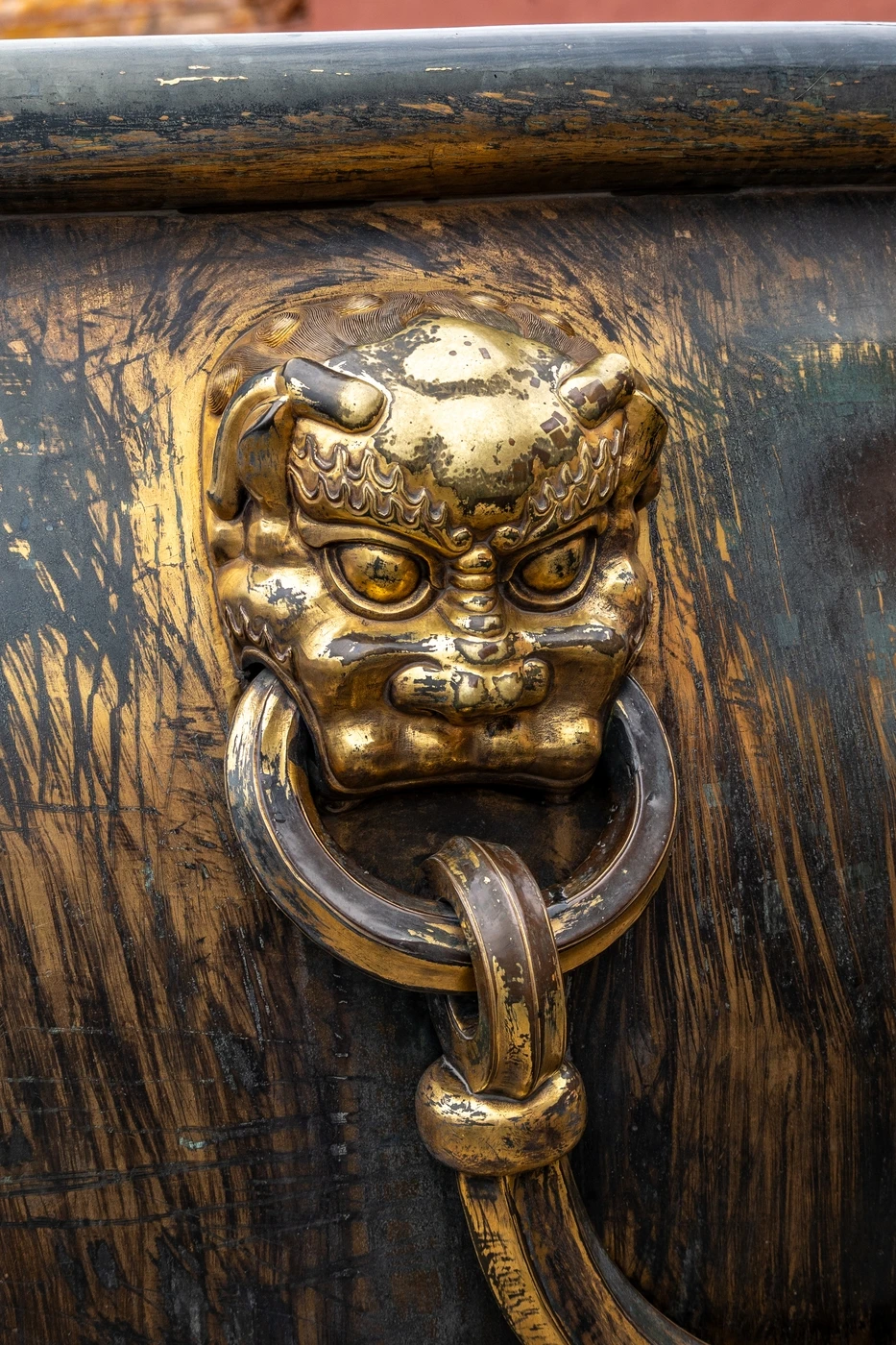
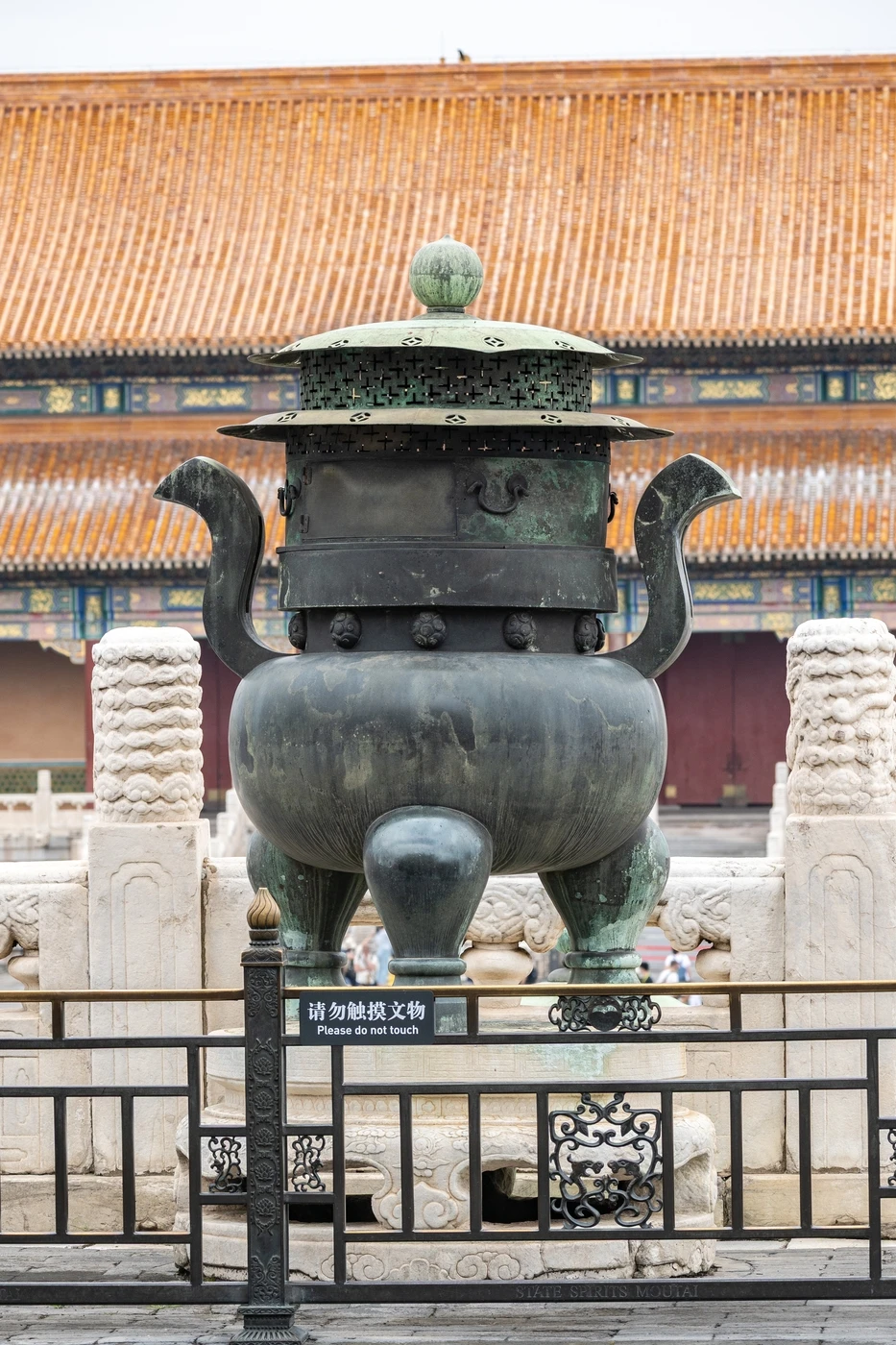
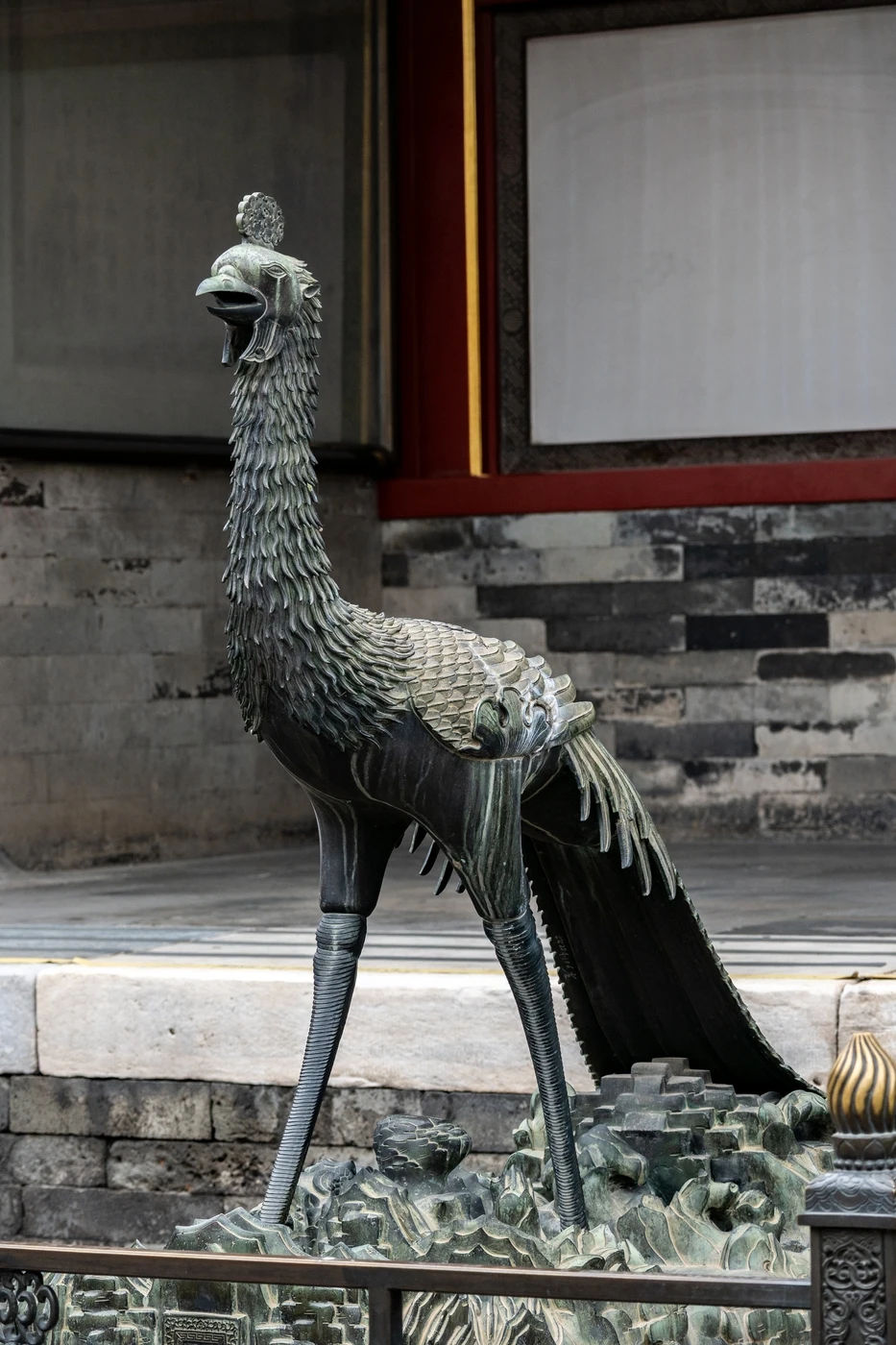
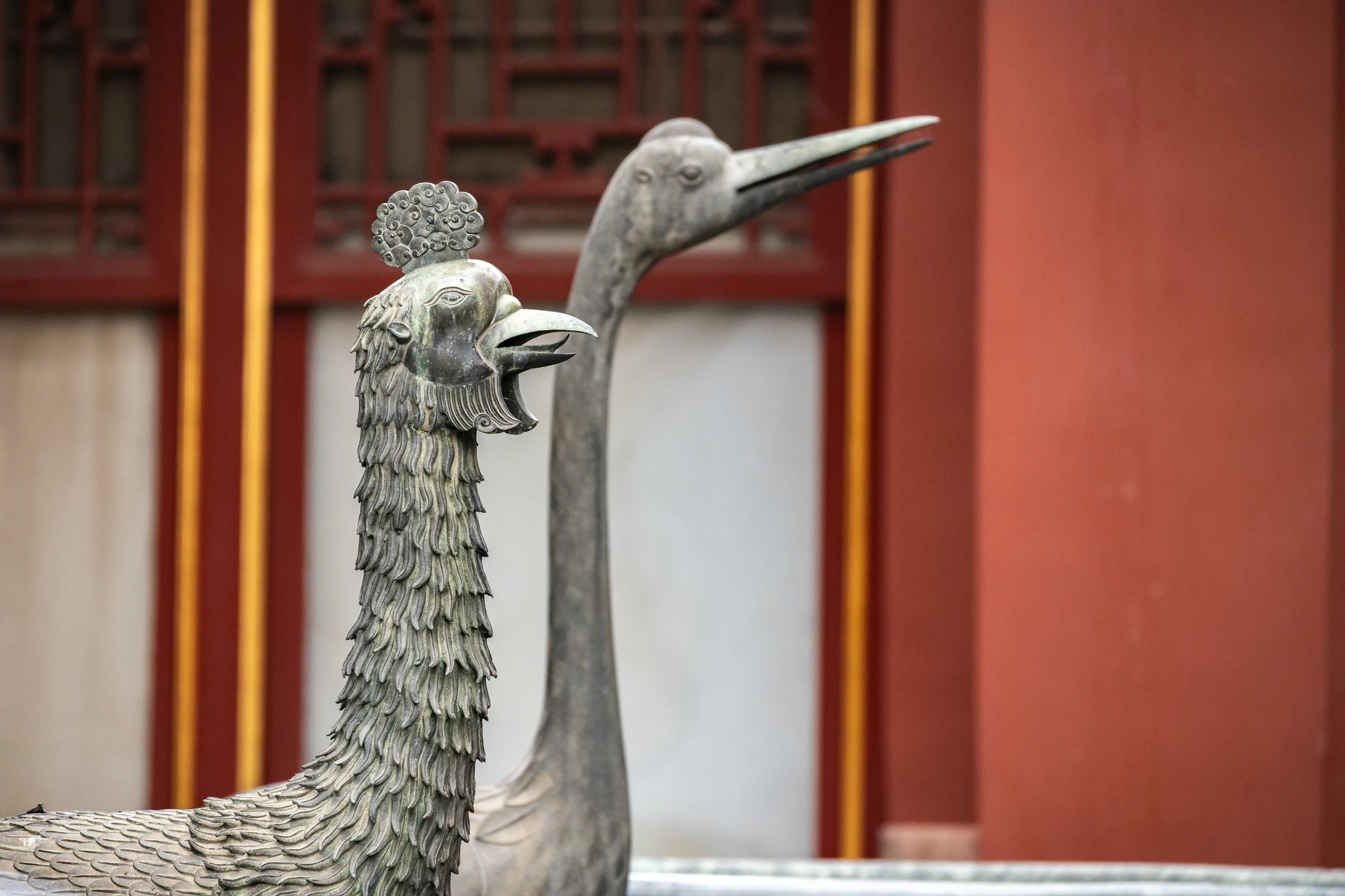
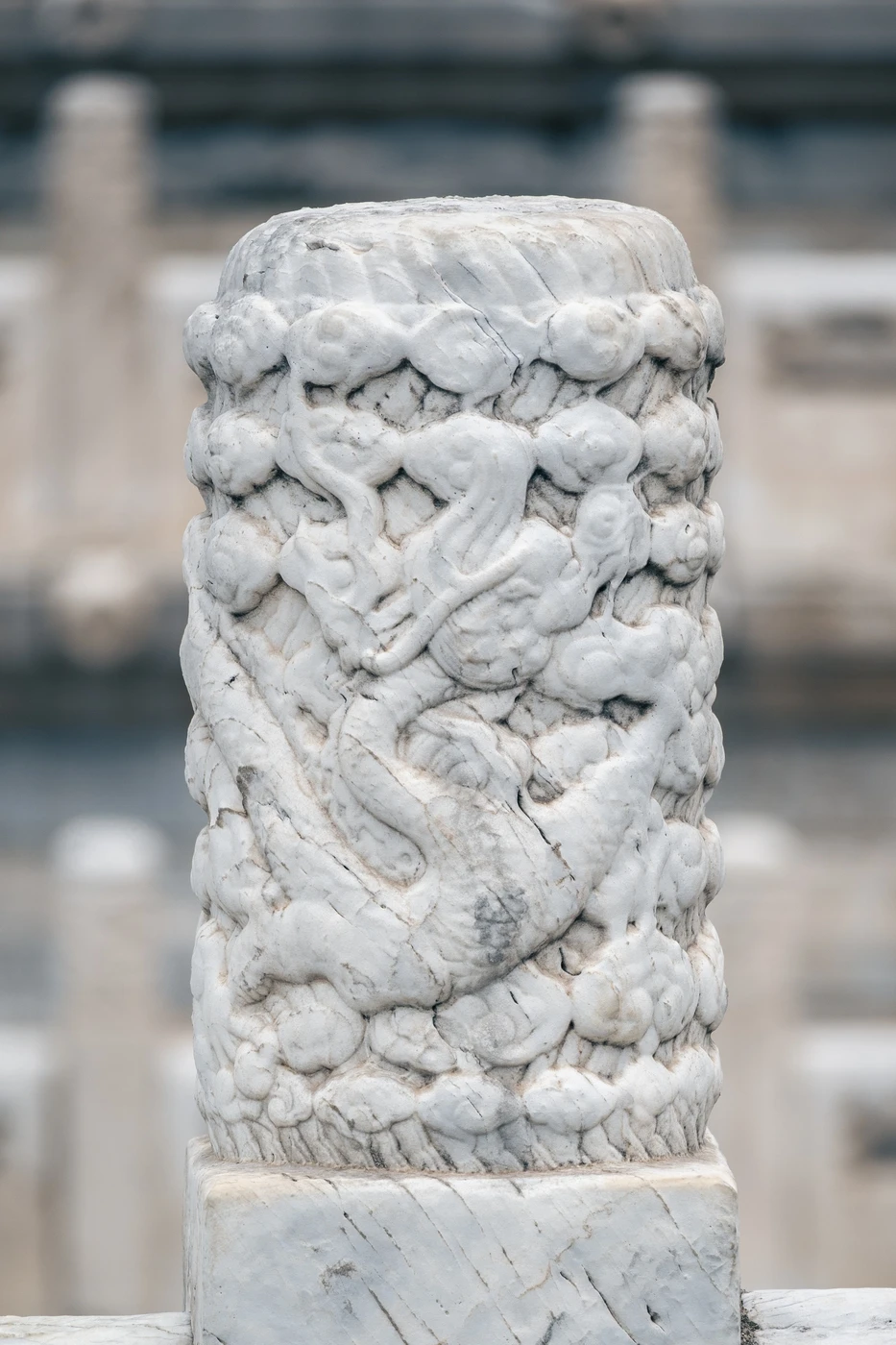
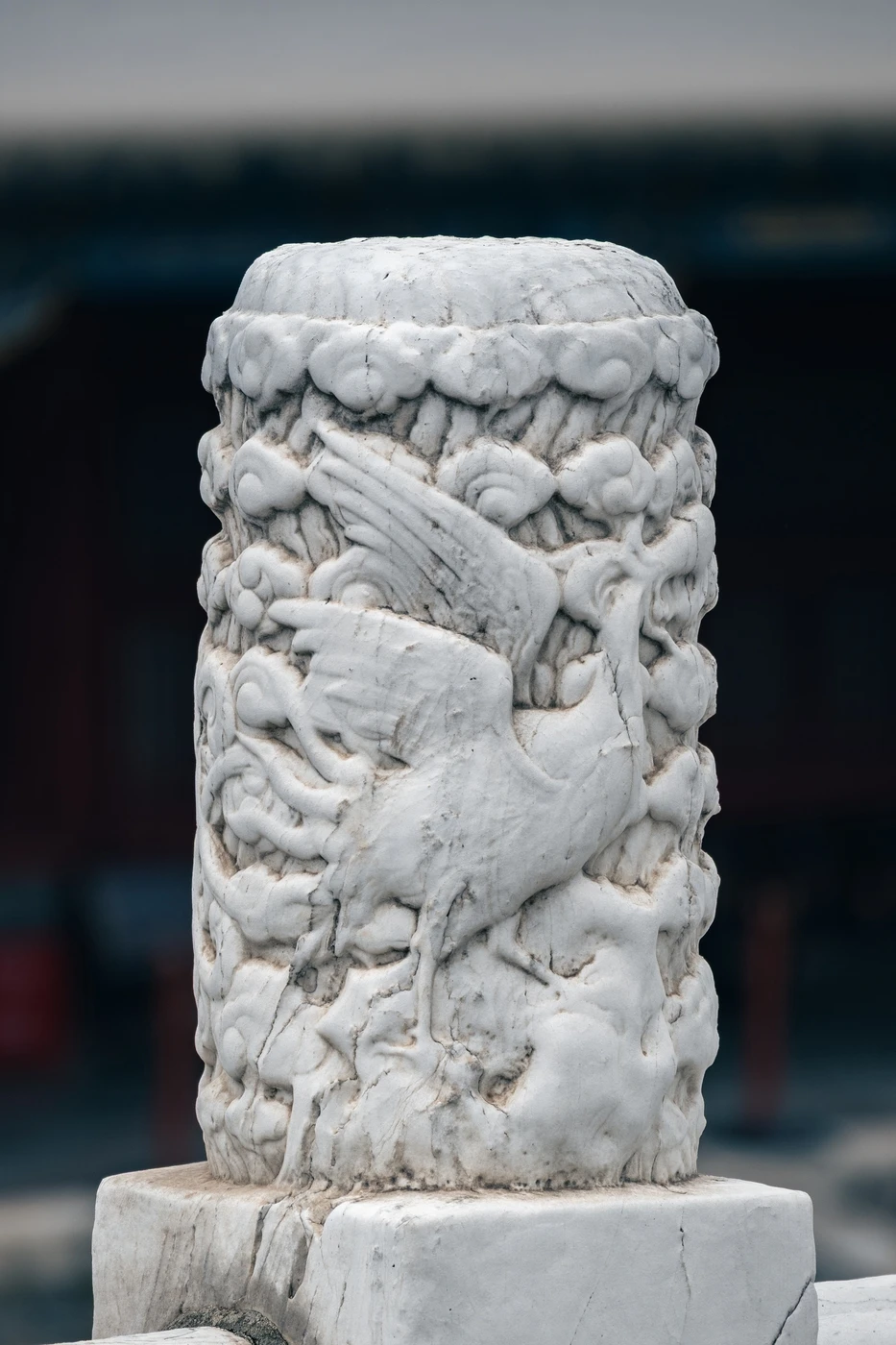
Red, a colour traditionally associated with good fortune and happiness, dominates many of the palace walls and buildings, while the yellow glazed roof tiles were closely associated with imperial authority. Throughout the complex, architectural details, decorative elements, stonework and gardens provide an enormous variety of subjects to discover.
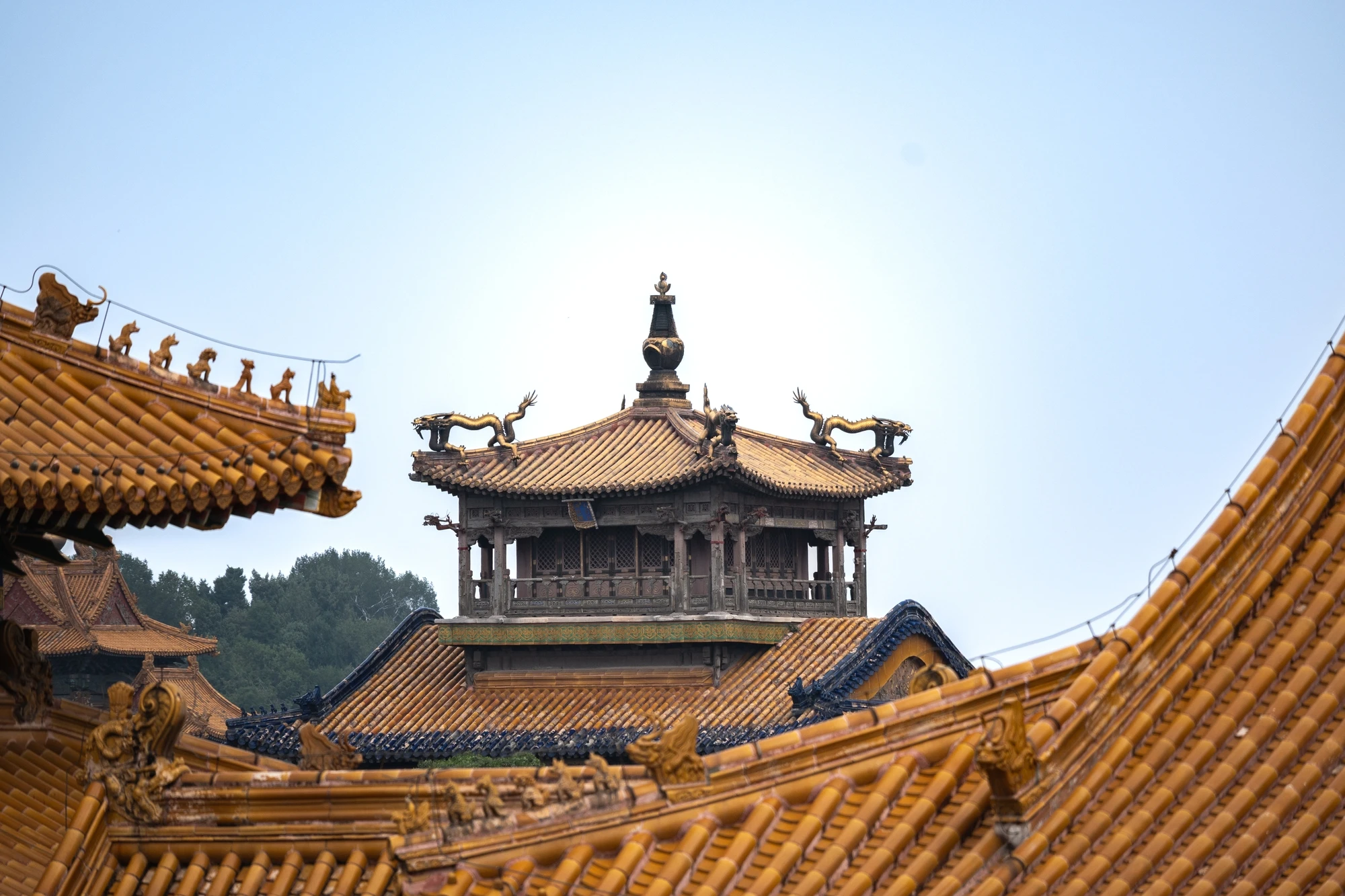
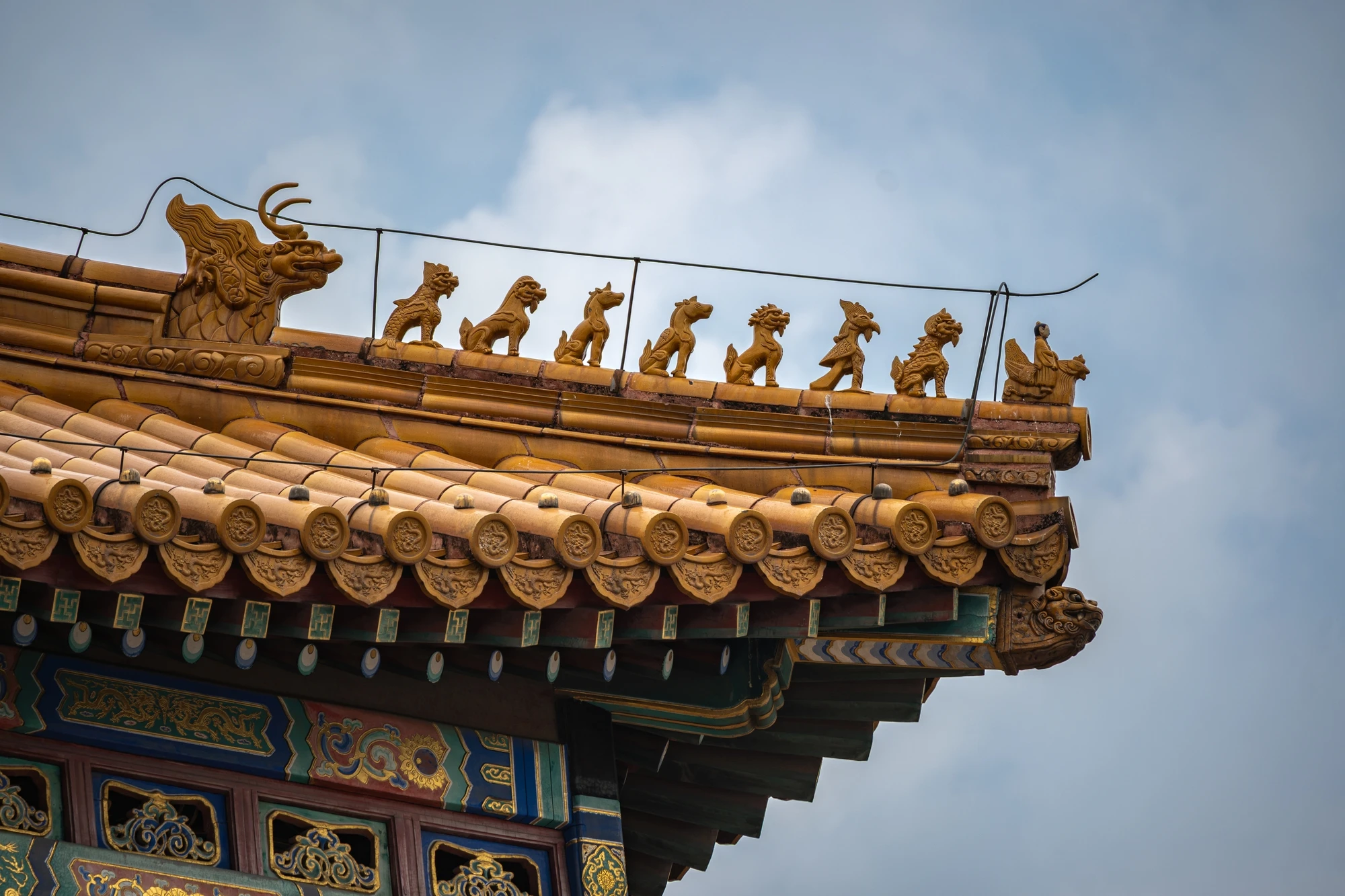
One particularly interesting detail can be found along the roof ridges, where rows of small decorative figures appear on many of the buildings. Traditionally associated with protection, the number of these figures also varies according to the importance and status of the building.
For photographers, the Forbidden City offers excellent opportunities for architectural, travel and detail photography. The large courtyards and monumental buildings work particularly well with a wide-angle lens, while the ornate roofs, decorations and smaller architectural details provide plenty of subjects for longer focal lengths. With so many visitors passing through the complex, there are also opportunities for candid and travel portraits.
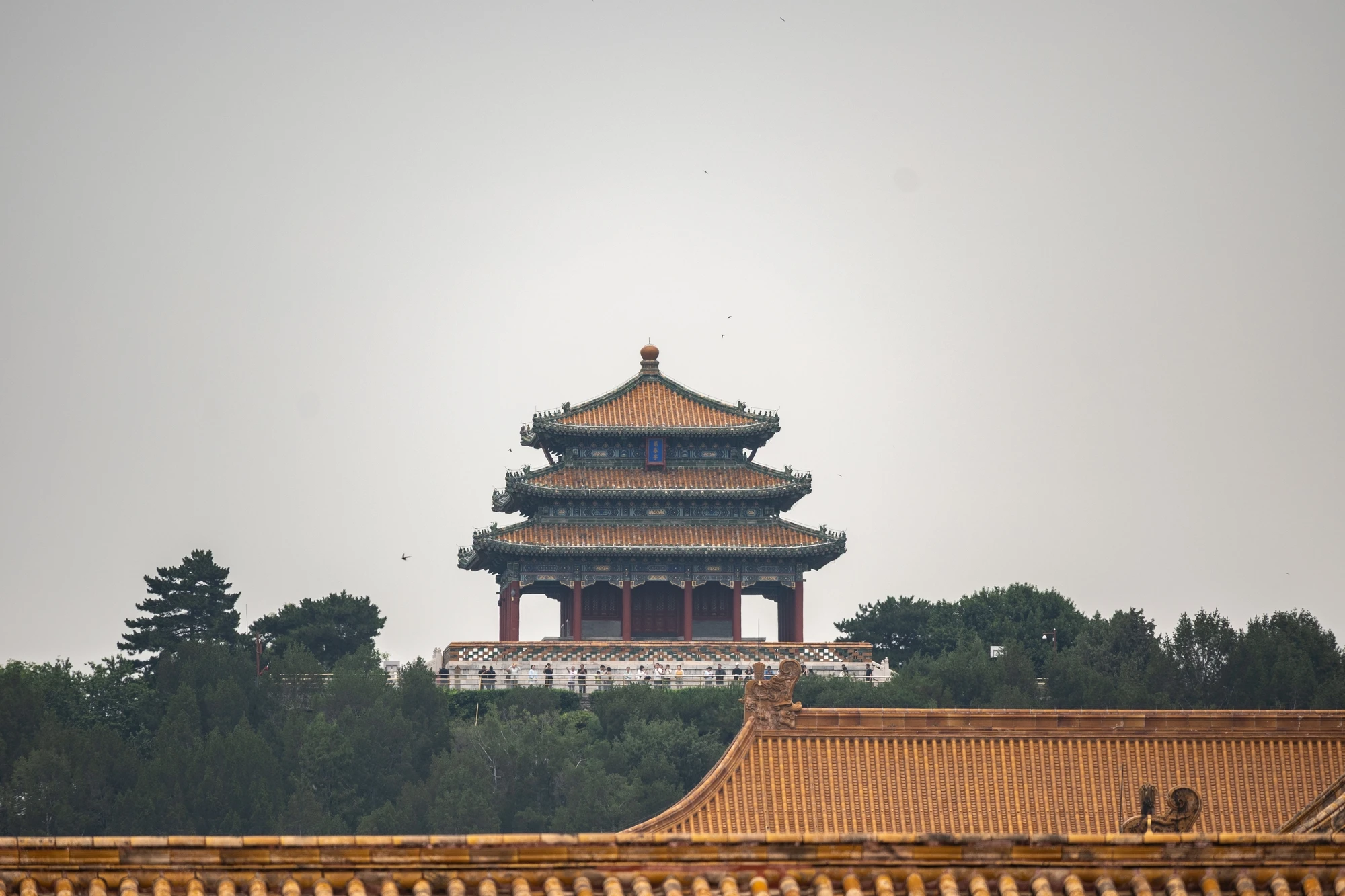
Entry involves security checks, and the Forbidden City can become extremely busy. Because of the large number of visitors, getting photographs of the major buildings and courtyards without people in the frame can be difficult. In some compositions, however, including visitors can help convey the enormous scale of the palace complex.
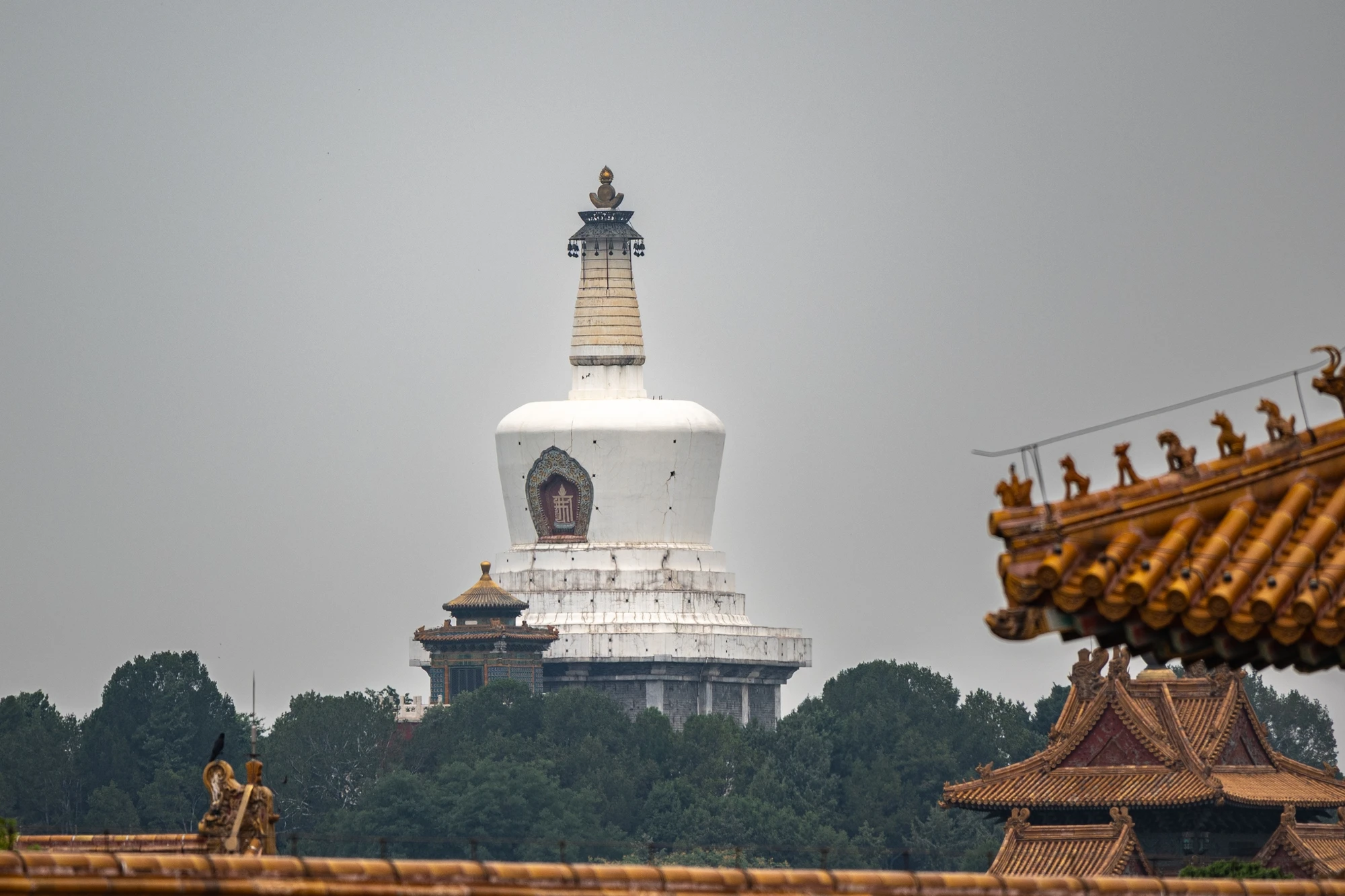
I took most of the photographs in this gallery with a 24mm lens, while I used a 50–250mm lens for more distant subjects and architectural details. The longer lens was particularly useful for isolating decorative elements that would otherwise be difficult to notice in wider photographs.
Weather and light can make a significant difference here. Good light can bring out the colours and textures of the traditional architecture, while changing clouds and skies can add much more atmosphere to wider photographs of the palace.