Temple of Heaven
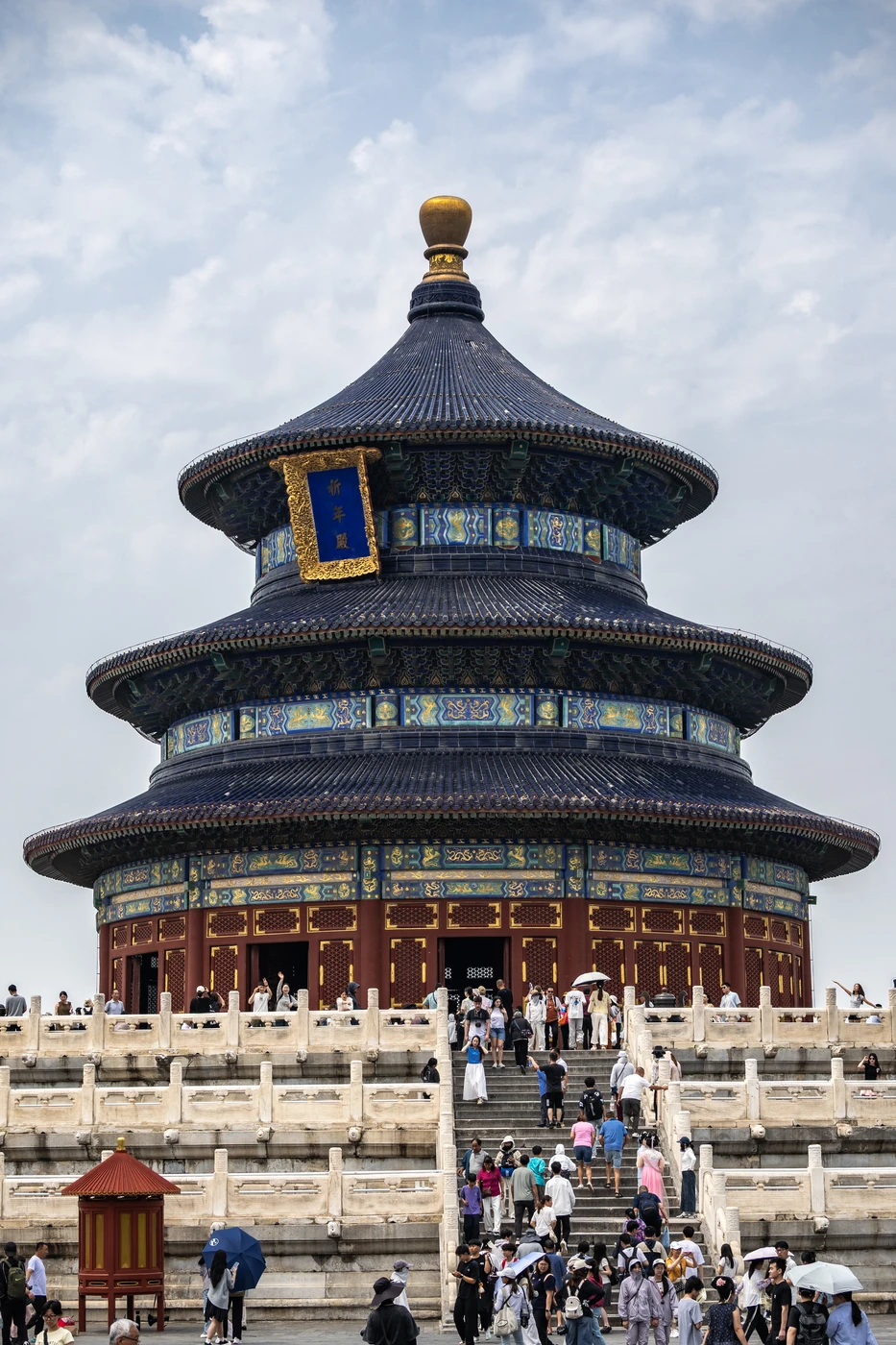
The Temple of Heaven is one of Beijing’s most important imperial religious complexes and a remarkable example of traditional Chinese architecture and landscape design. Located in the southeastern part of Beijing, the complex was used by emperors of the Ming and Qing dynasties for ceremonies and prayers for good harvests. Today, its distinctive architecture and extensive park attract both local residents and visitors from around the world.
It is worth allowing plenty of time to explore the Temple of Heaven and its surrounding park. Visitors arriving early in the morning may also see local people exercising, practising tai chi and taking part in other traditional activities. These everyday scenes add a completely different atmosphere to the historic surroundings and provide interesting opportunities for photography.
The temple complex and its surrounding park cover approximately 2.73 square kilometres, so there is plenty to explore. It can also become very busy, making it difficult to photograph the main buildings without people in the frame. A wide-angle lens is particularly useful here for capturing both the scale of the architecture and the spacious surroundings.
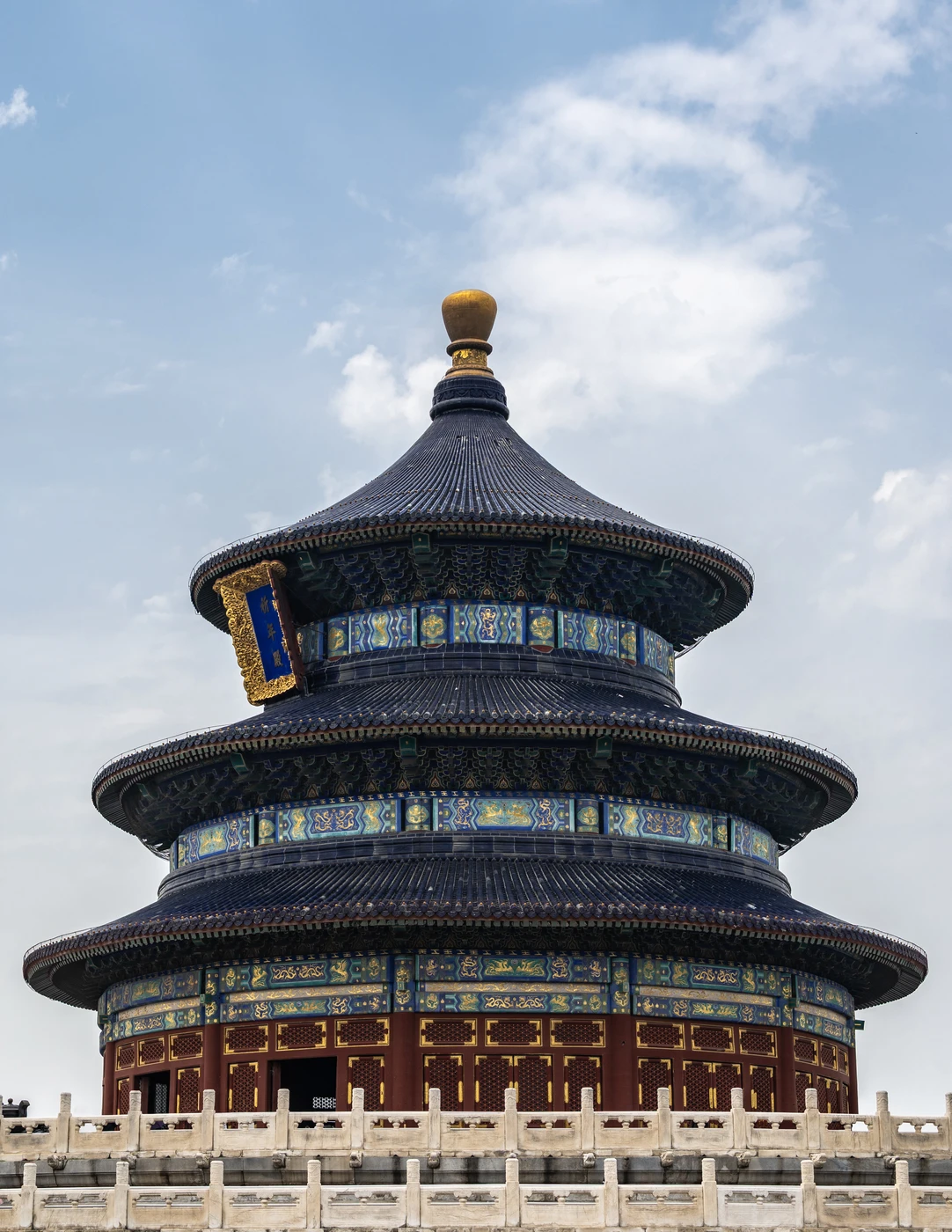
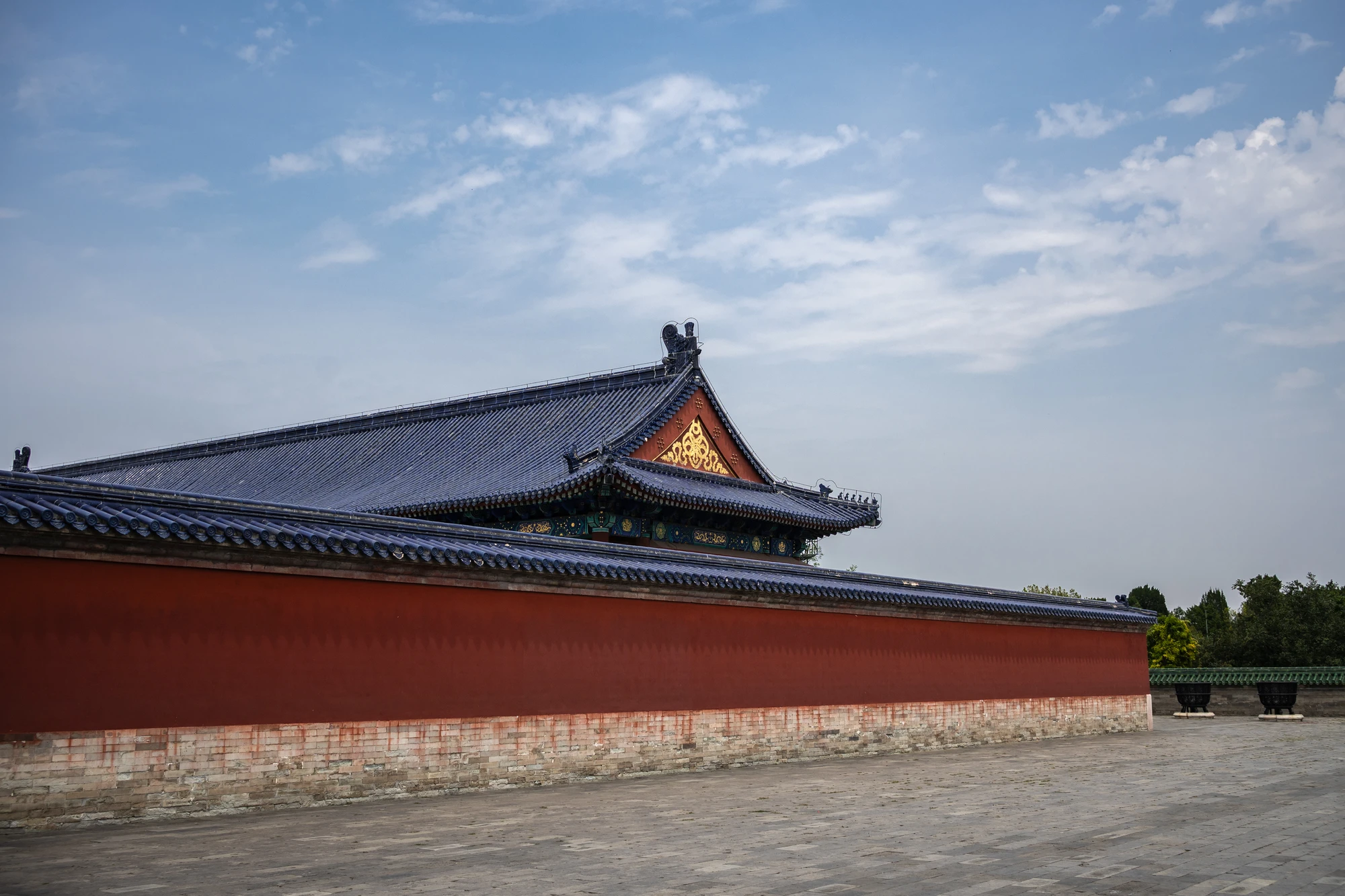
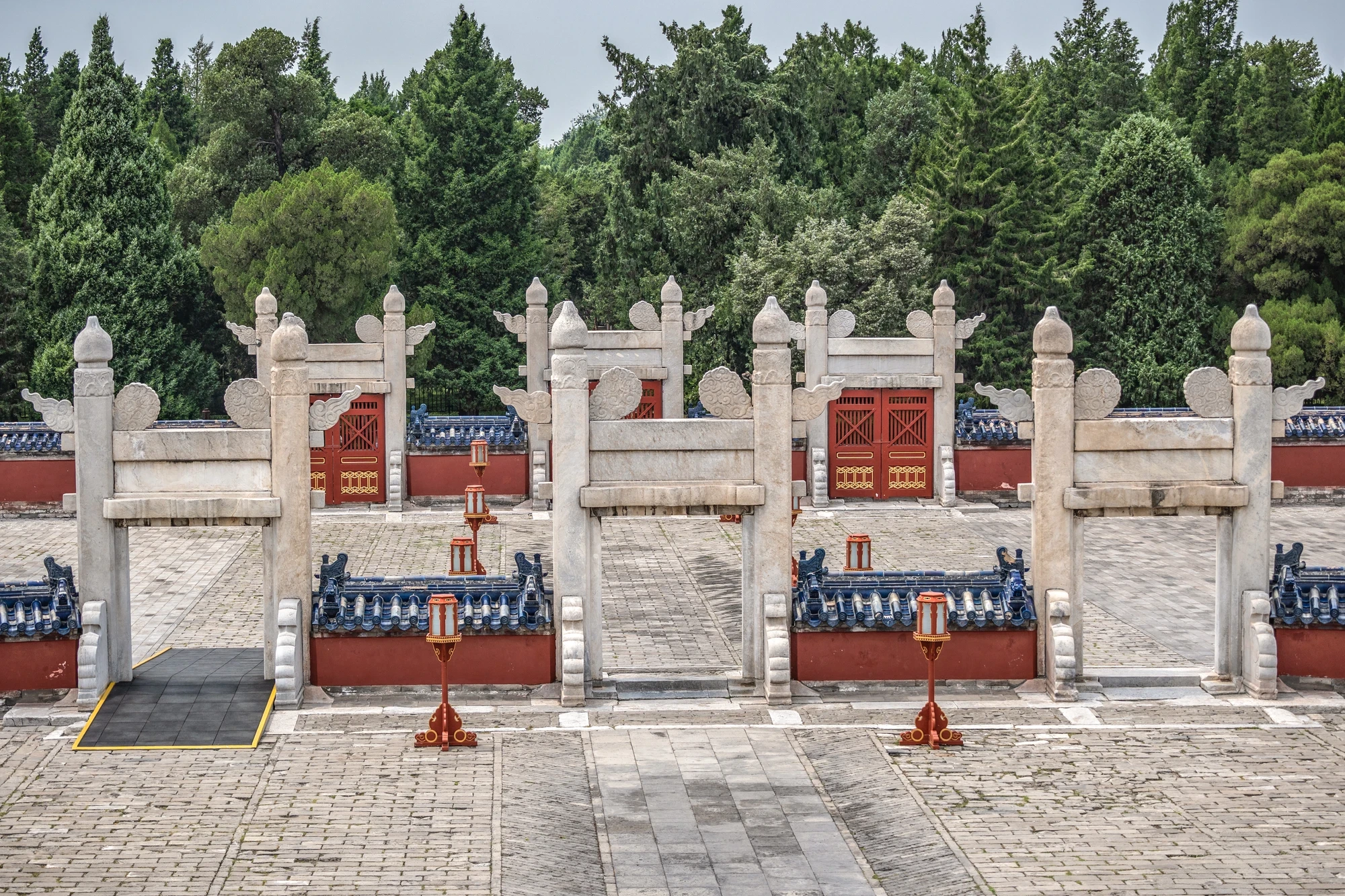
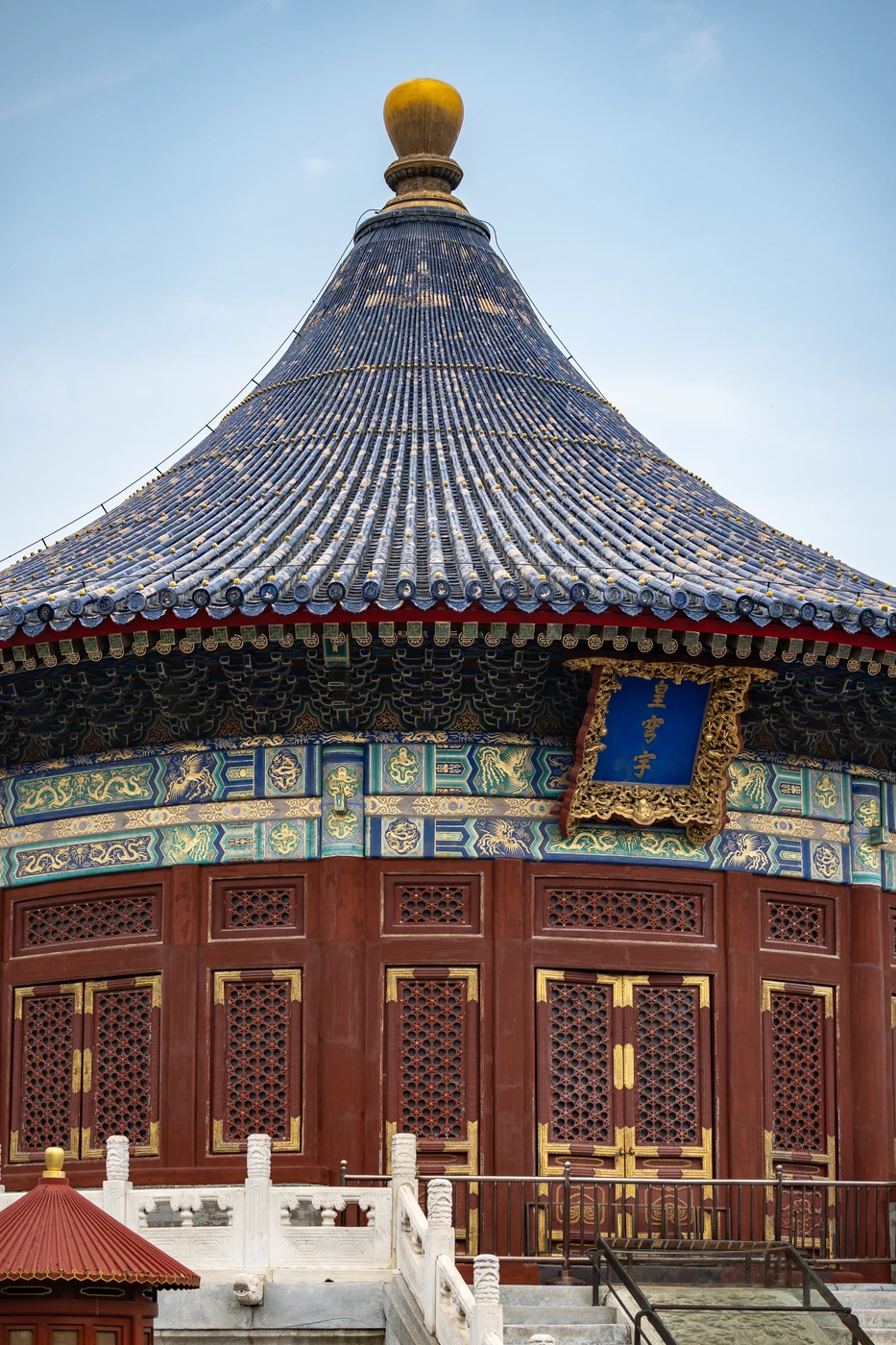
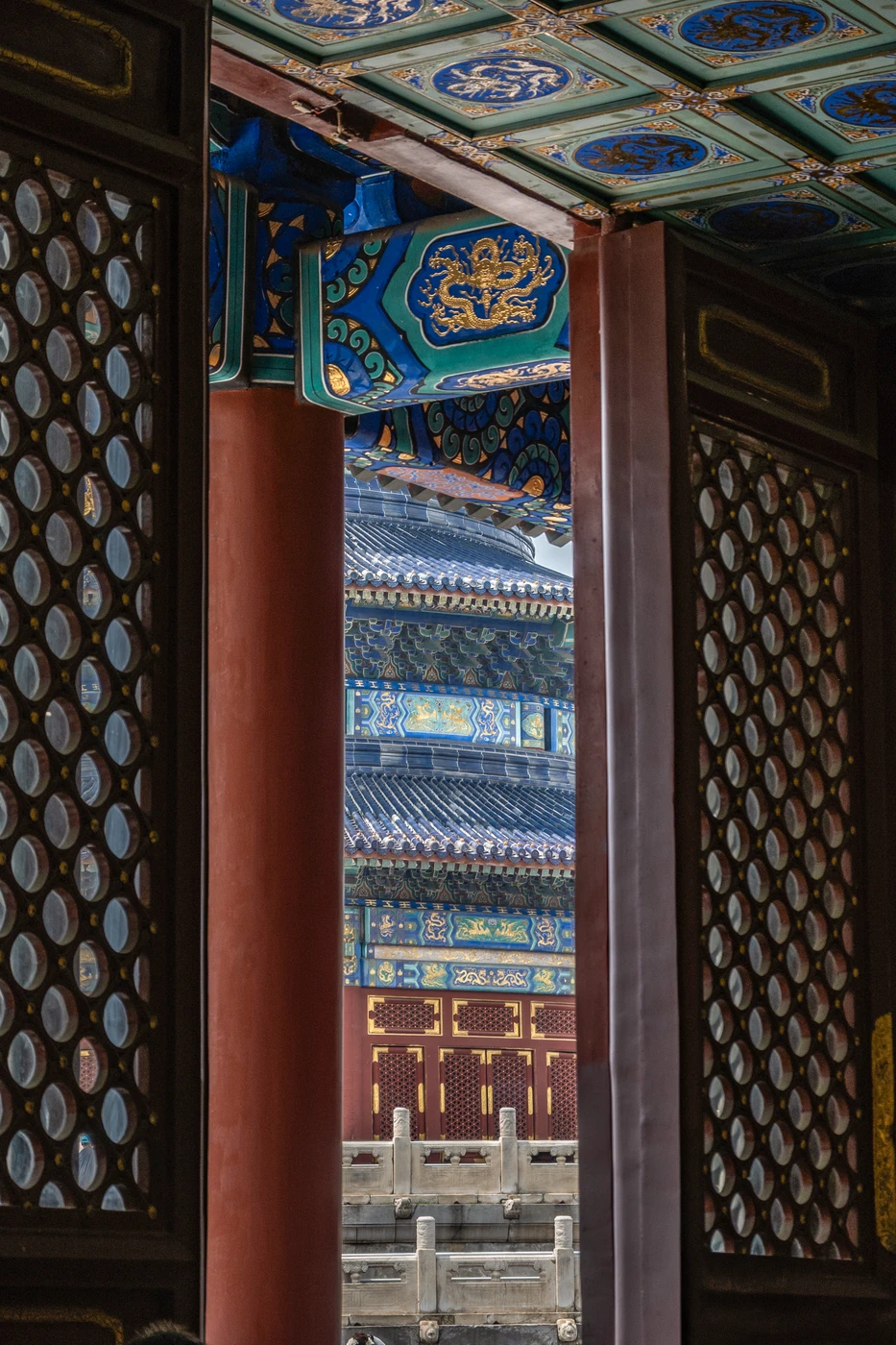
Blue, red and white are among the most striking colours throughout the complex. The blue-tiled roofs in particular create a beautiful contrast with the red architectural elements and, on a clear day, the sky. Besides wider architectural compositions, the many decorative details provide plenty of opportunities for closer photographs.
The park and its visitors also offer opportunities for candid and street-style photography. People exercising in the morning, walking through the grounds or simply enjoying the park can add life and a sense of scale to the photographs. As always when photographing people more closely, I prefer to be respectful and ask permission when appropriate.
I took most of the photographs in this gallery with my 24mm lens, while I occasionally used the 16–50mm lens for additional flexibility. The 50–250mm lens was also useful for more distant subjects and architectural details that would otherwise have been difficult to isolate.