Winter Birds in the Morning Light (21/01/2026)


One of my first photo sessions of the year was a quick early morning shoot, just before heading to work. Snow still covered the trees, creating a unique and peaceful atmosphere.
The staghorn sumac in the yard provides an excellent resting spot for birds, and with a feeder placed nearby, it becomes even more attractive to them. A nearby pear tree also serves as a hiding place for various species—mainly sparrows, great tits, and blue tits, though occasionally a blackbird or even a woodpecker makes an appearance.
The sun had already risen and the sky was clear, casting beautiful light across the scene. Between the branches, there were soft patches of shade that added depth to the images. I shot handheld, without a tripod, so to avoid motion blur I had to use a relatively fast shutter speed, which resulted in slightly darker images.
Despite the conditions, I managed to capture fairly sharp and mostly blur-free shots. All photos were taken with a 50–250mm lens from a distance of about 5–8 meters.
In most of the images, the branches form quite a dense pattern. Although I generally prefer cleaner, more minimal compositions, the small clumps of snow resting on the branches created a visually appealing effect, making the busy background less distracting.
In the blackbird photos especially, the contrast between the snowy environment and the blue background stands out beautifully.
I hope to capture even more refined and cleaner images in the future.
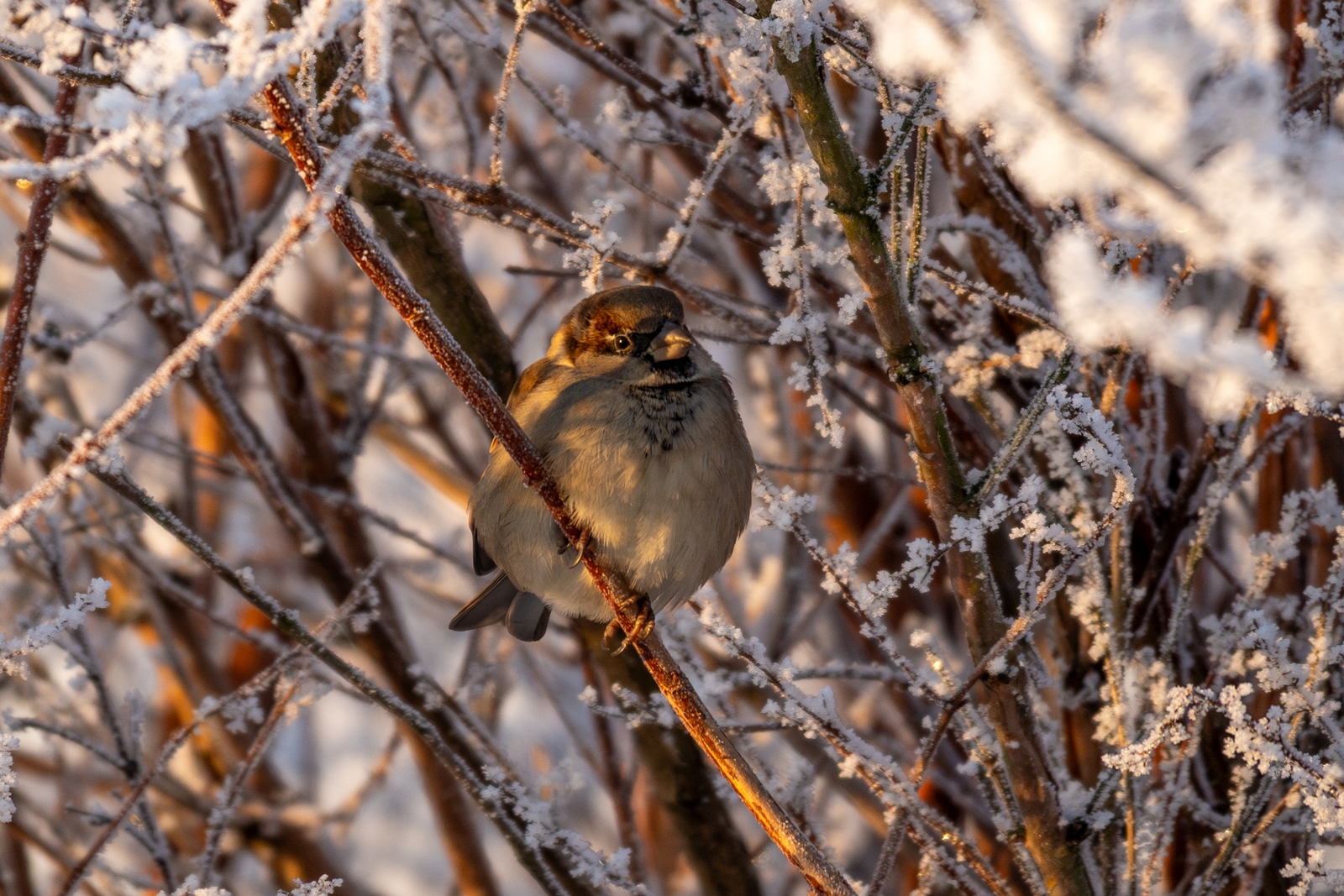
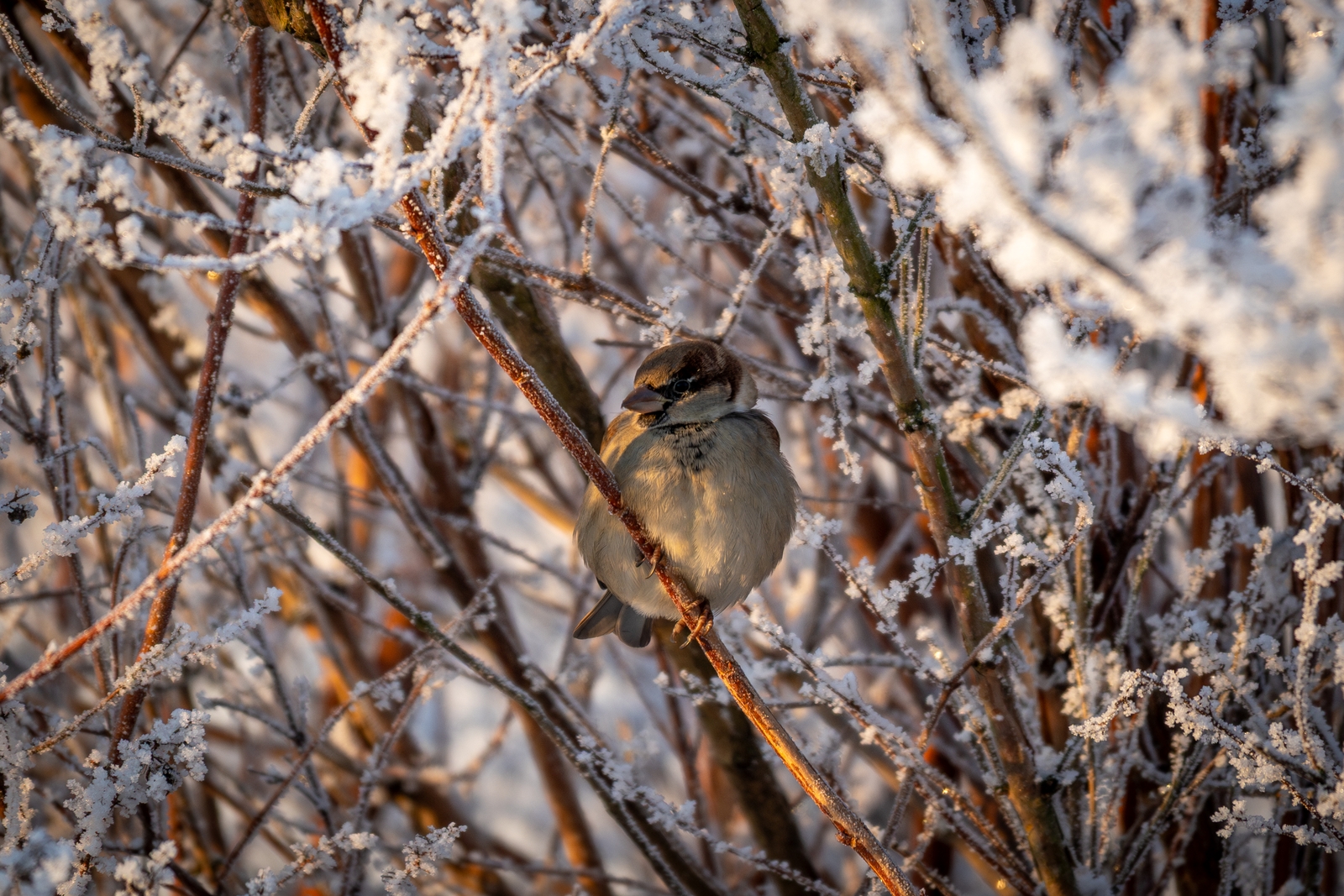
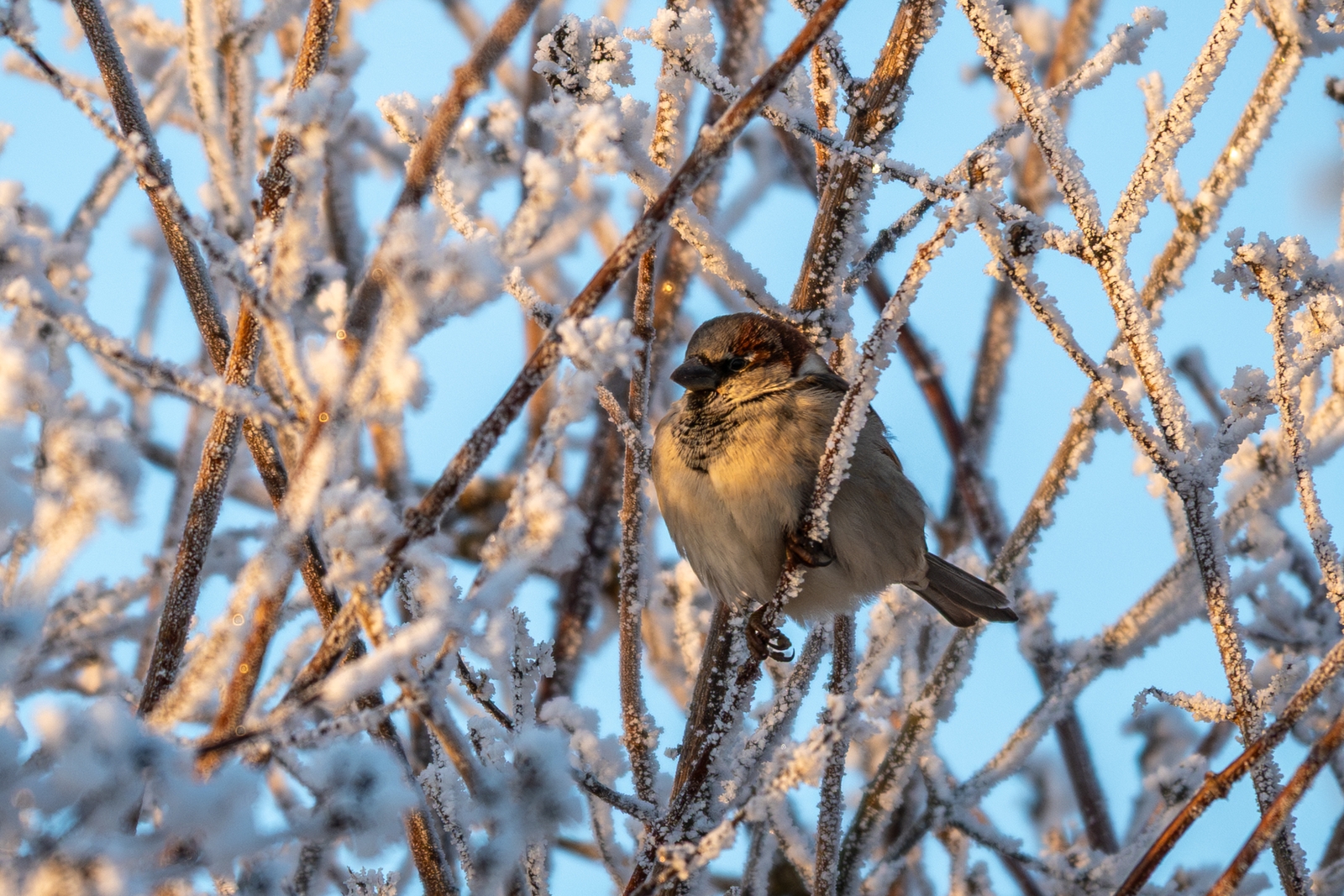

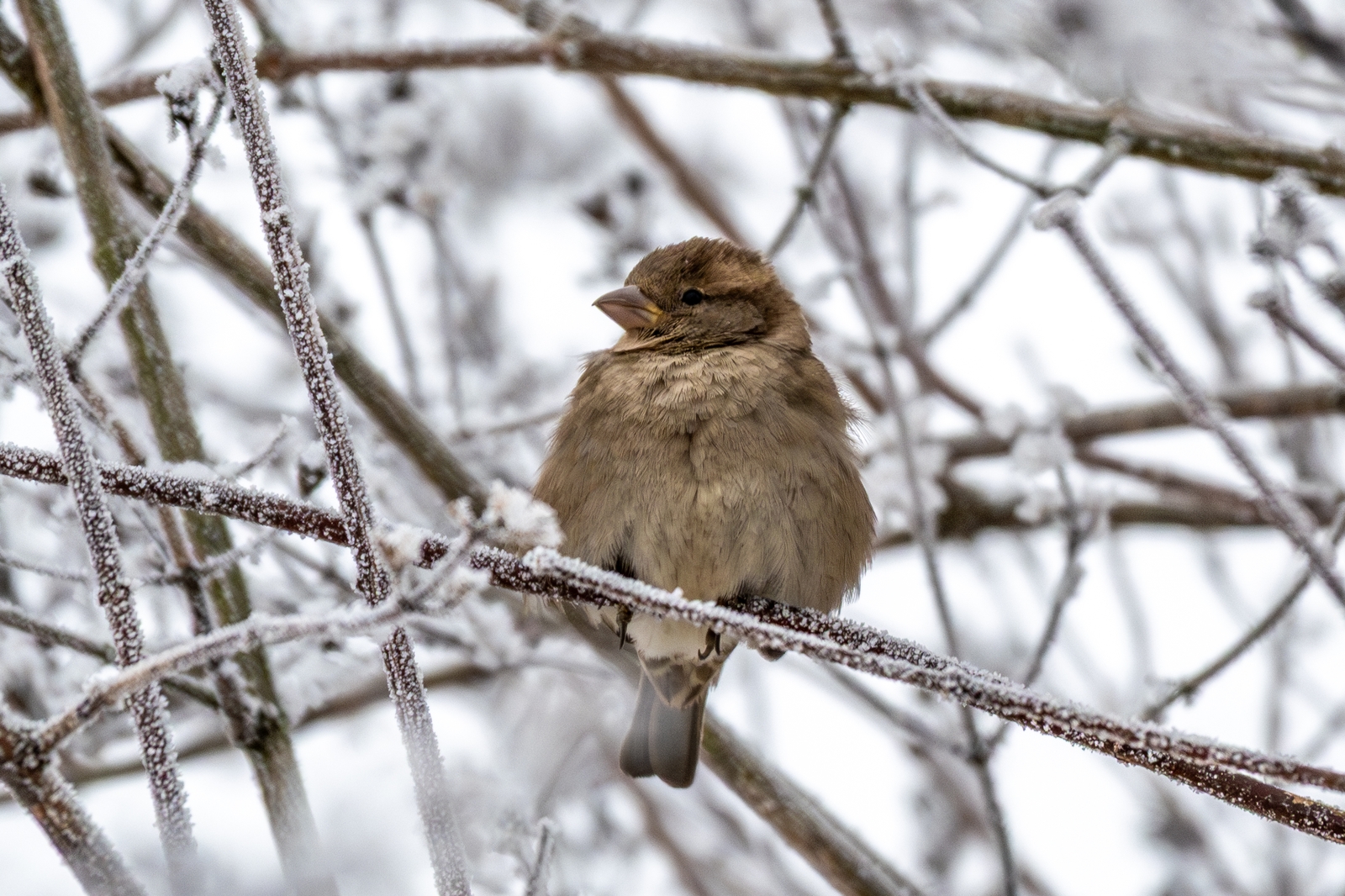


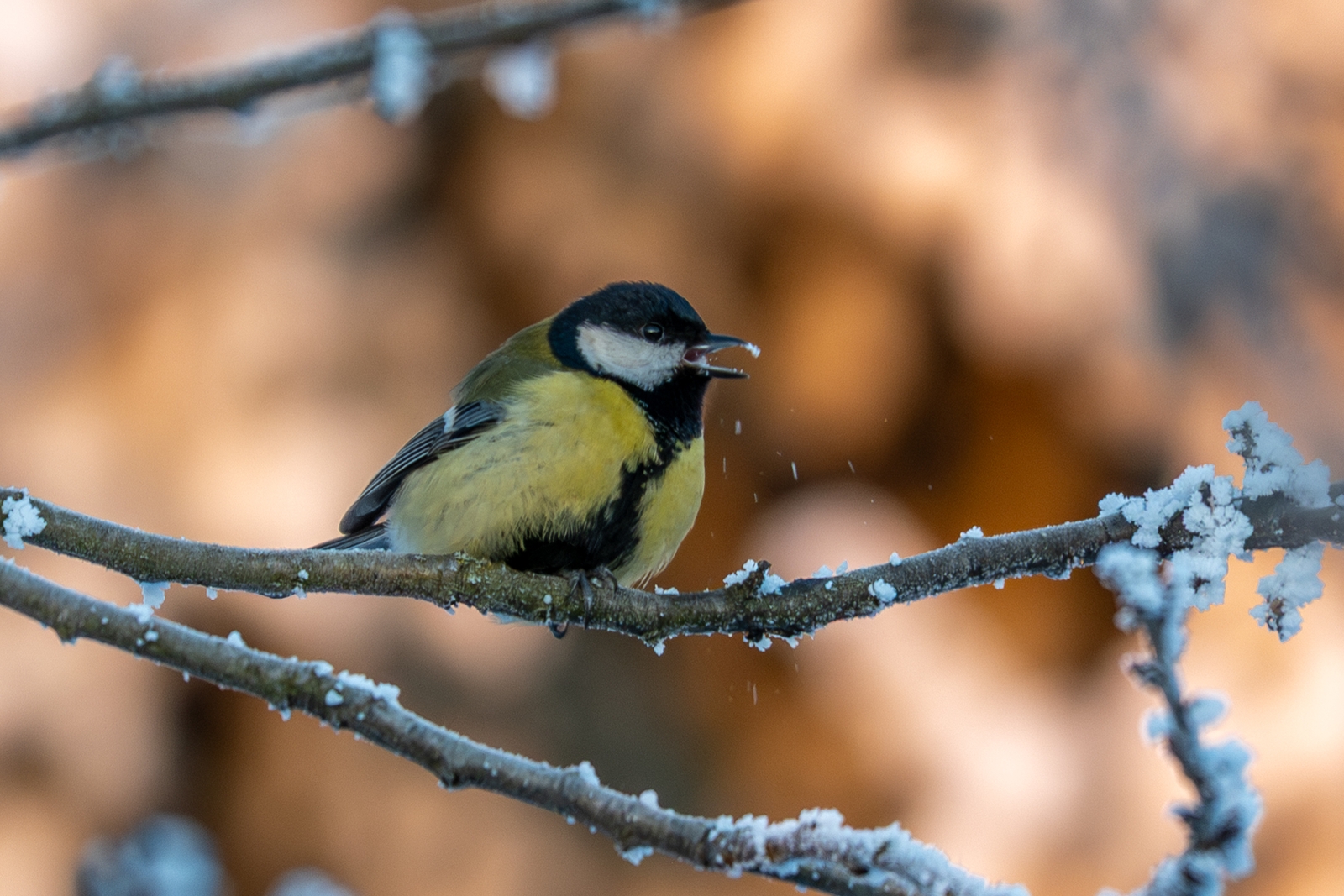
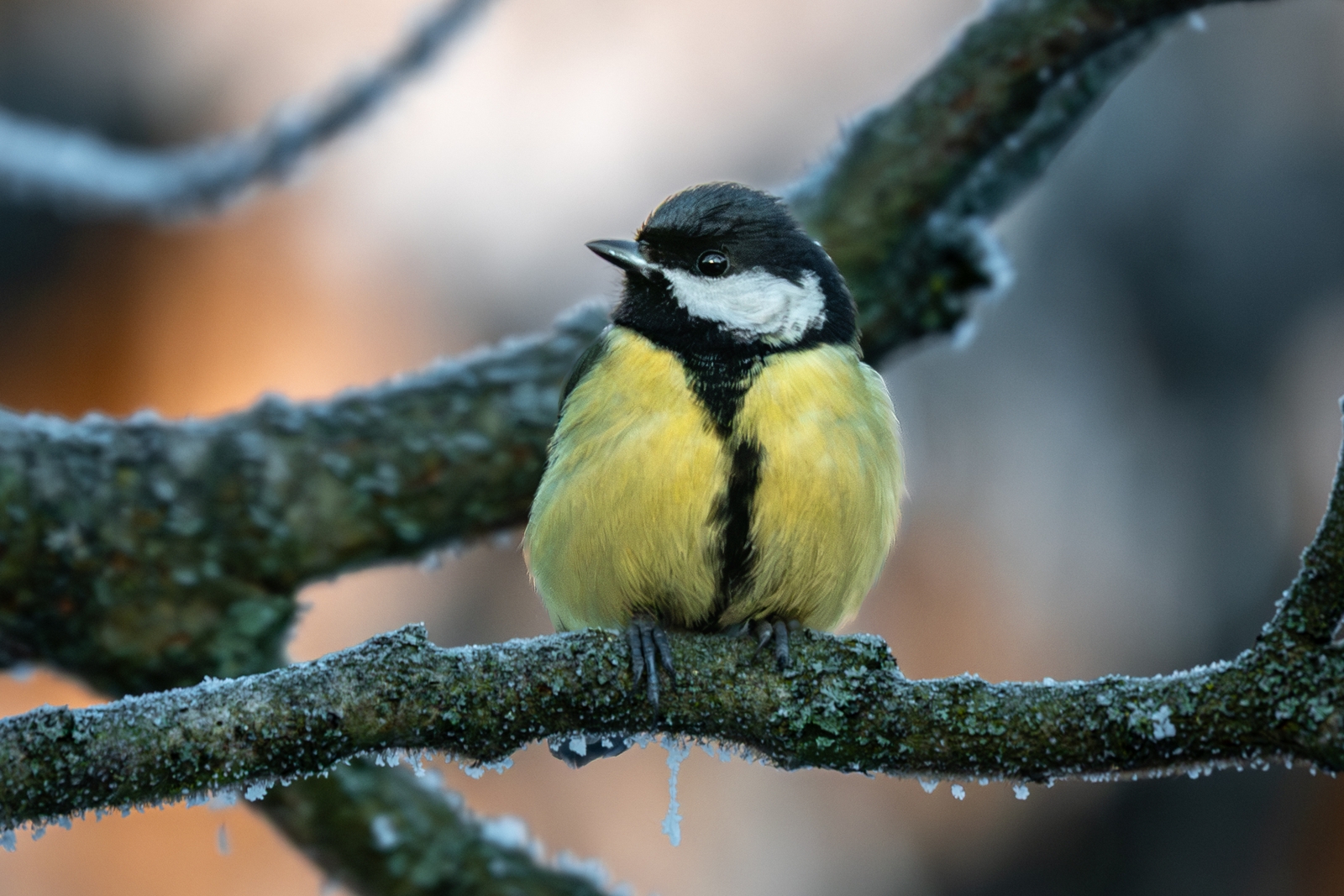


Photos taken with Nikon ZFc + Nikon Z DX 50-250mm f/4.5-6.3 VR – (CLOCK PHOTOS TO LARGE)
Did you know? – Great Tit
The great tit is one of the most common and active visitors at bird feeders. It rarely arrives alone – once a “scout” bird decides the area is safe, an entire group soon follows. They tend to appear in waves: sometimes crowding the feeder, then disappearing for a while.
Within the group, you can often spot a dominant male, usually larger and more brightly colored than the others. If space is limited, the rest of the birds often step aside when he arrives.
Great tits have a very characteristic feeding behavior. They grab a sunflower seed, quickly look around, then fly off to a nearby branch. There, they hold the seed between their feet and skillfully crack it open with their beak.
They are also known for their small “face-offs.” During these moments, they turn toward each other, slightly spread their wings, and appear to “dance,” while the feathers on top of their heads flatten. This lively behavior is not only fascinating to watch, but it often attracts other bird species to the feeder as well.