Bird Photography in Soft Light (14/02/2026)
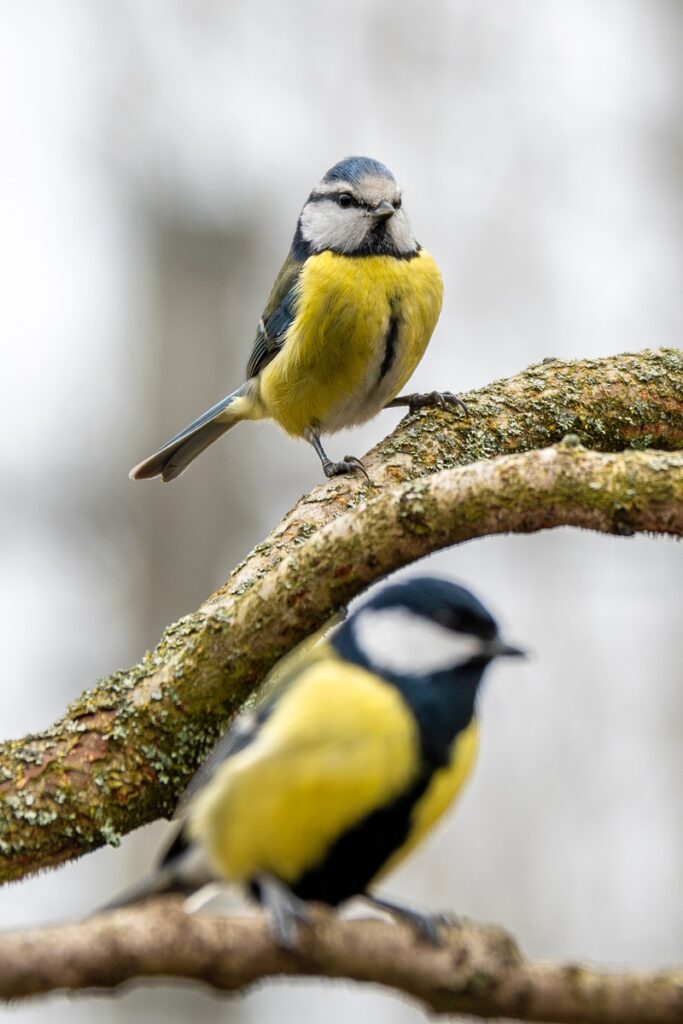
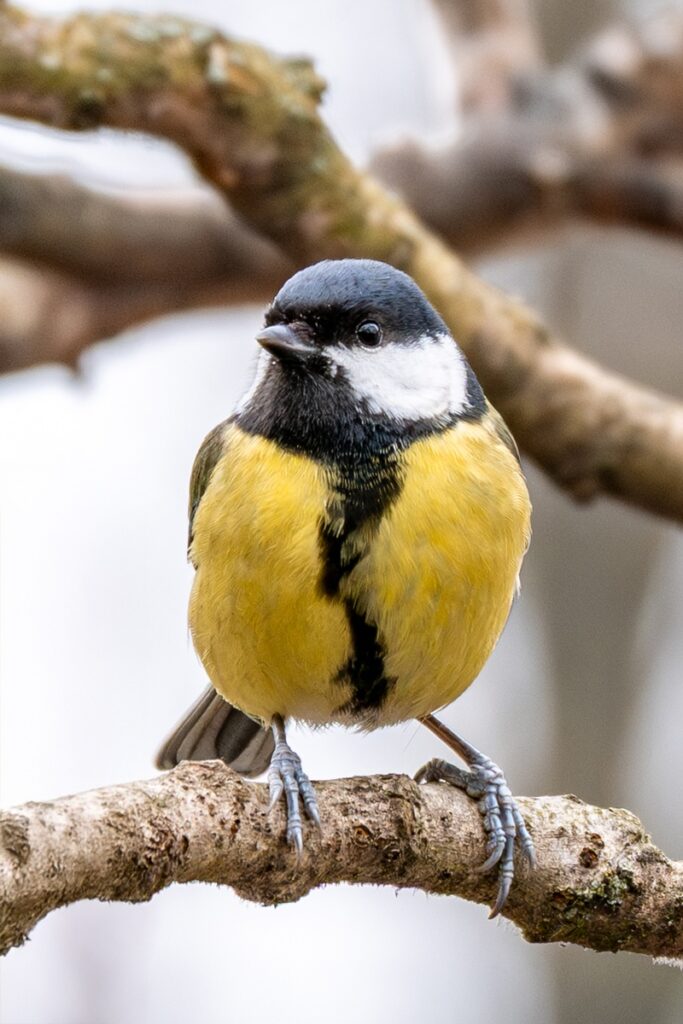
My second bird photography session of the year also took place in the yard, so there was no need to go far. The weather was overcast, with clouds covering the sun, which meant working with much less, but nicely diffused light. By then, the snow had already melted off the branches, leaving the trees bare.
The feeder placed on the tree once again attracted a large number of birds. My main focus was on tits – specifically blue tits and great tits -but a few sparrows also made their way into the shots.
The branches of the staghorn sumac are less dense and noticeably thicker, making it easier to create cleaner, more minimal backgrounds. Of course, this still requires finding the right angle, and even then, an occasional branch can still end up in the background.
By now, the birds have become accustomed to the daily movement in the yard, so they pay less attention to human presence. This makes it possible to get closer before they fly away. These images were taken from a distance of about 3-5 meters. I used the same 50-250mm lens as before, but this time mounted on a tripod, loosely tightened so it could still be easily repositioned.
Despite the lower light conditions, using a tripod allowed for longer shutter speeds, resulting in sharper and brighter images compared to the previous session. I’m also much more satisfied with the backgrounds this time.
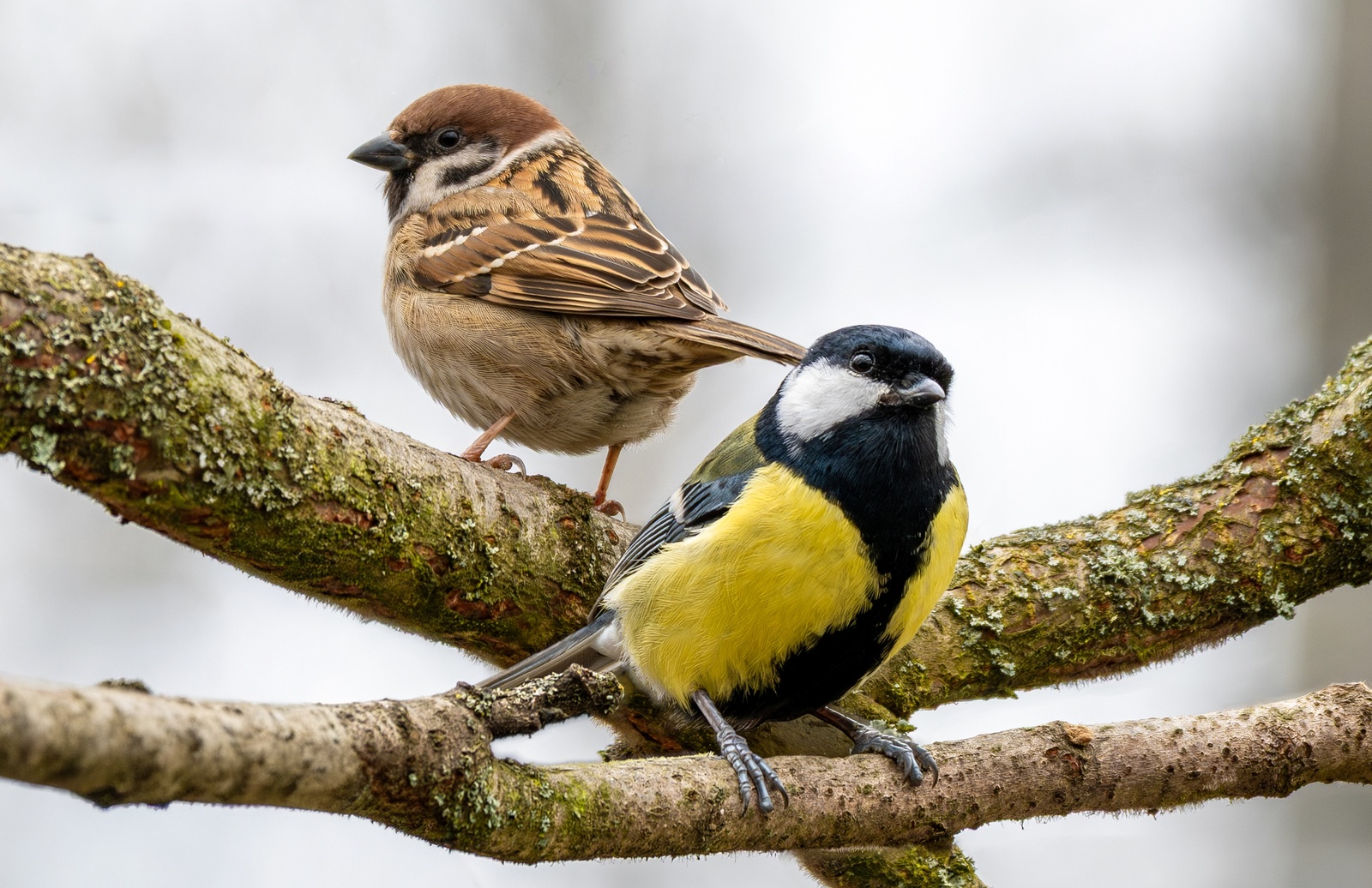
One of my favorite shots features a small, soaked blue tit – it likely had just taken a bath in a puddle. In another image, a tit and a sparrow appear close together, both in sharp focus. This is actually a composite made from two exposures, as achieving that level of depth of field in a single shot wouldn’t have been possible.
I hope you enjoy the photos. I’m planning to capture many more bird images throughout the year.
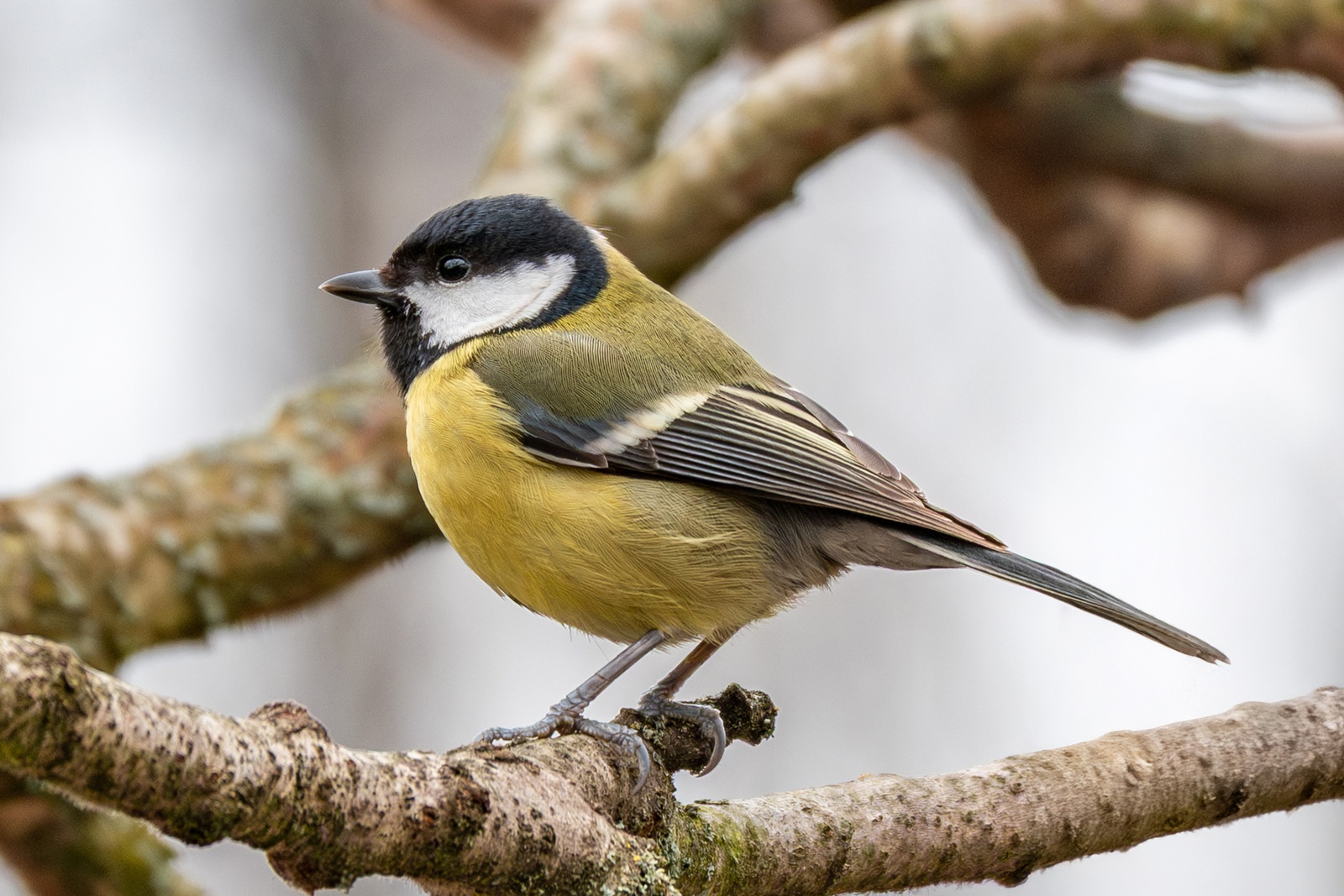
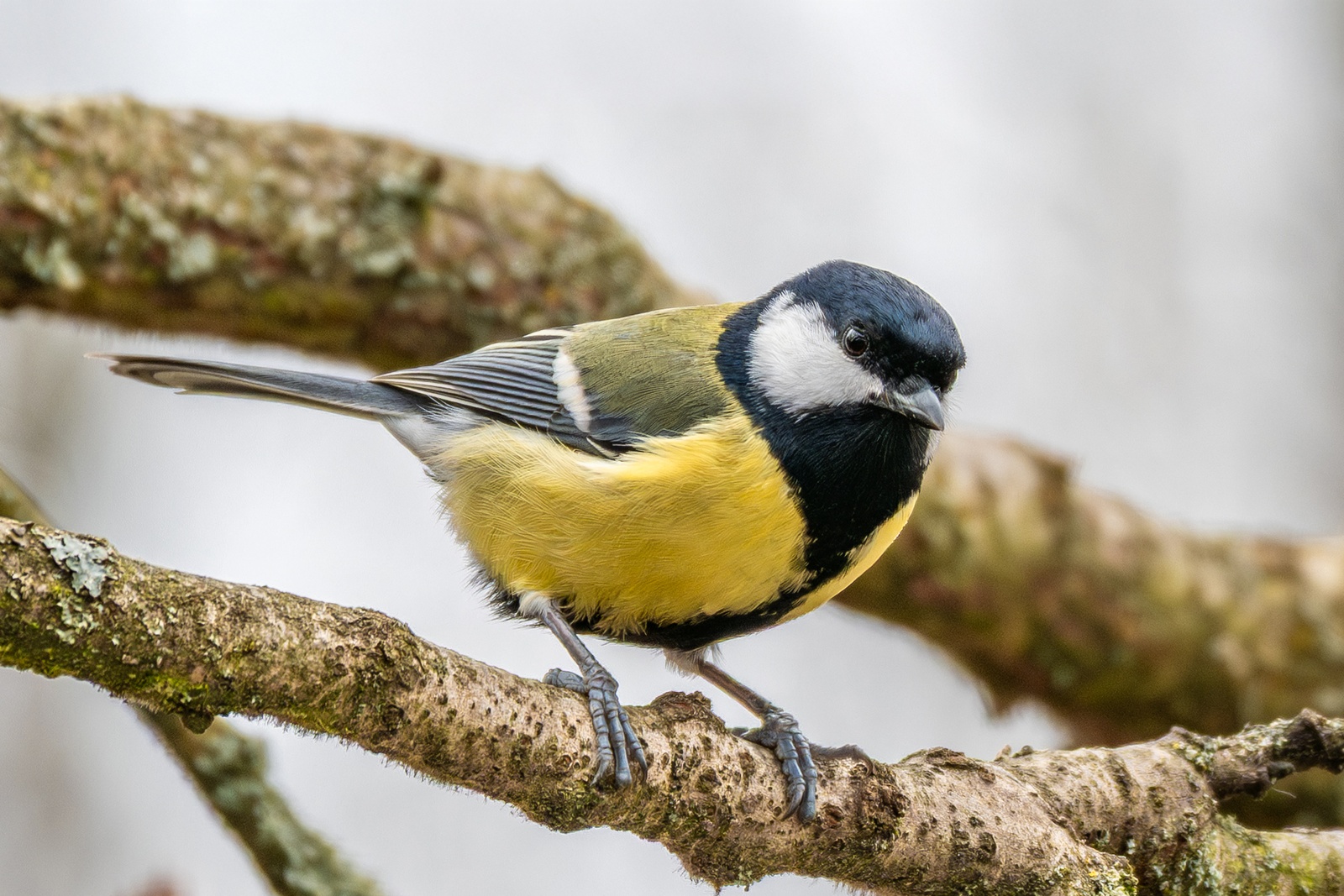
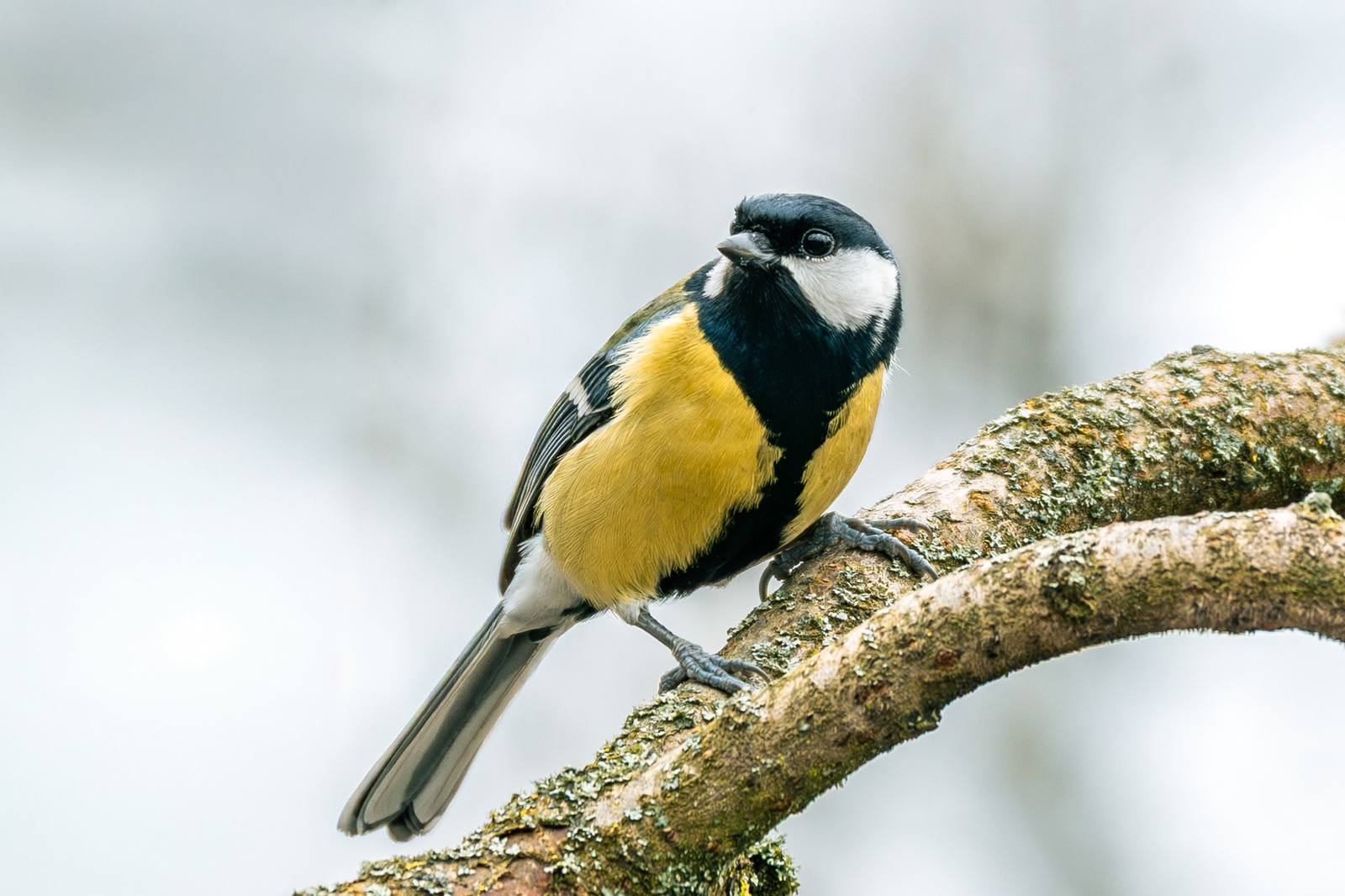

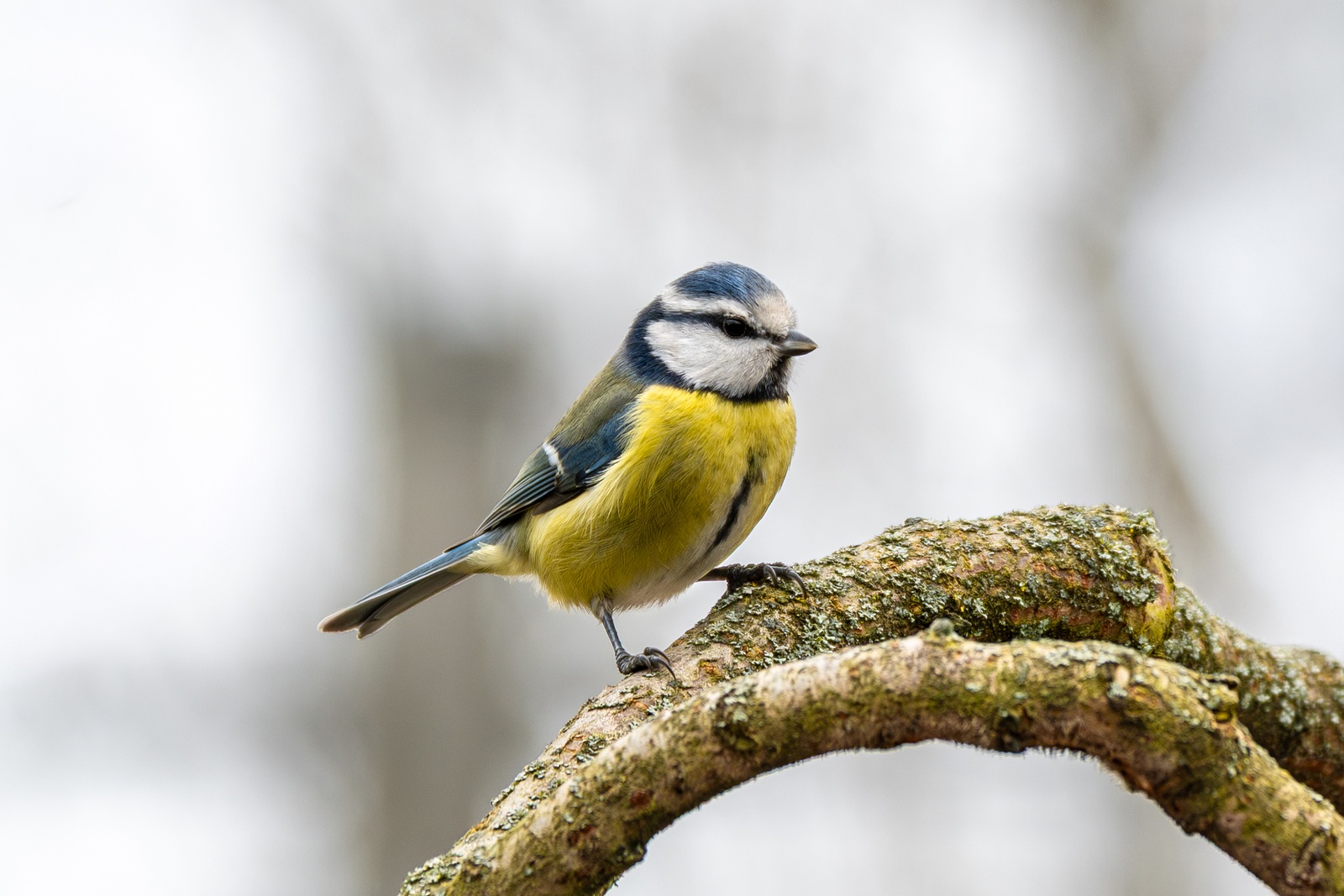
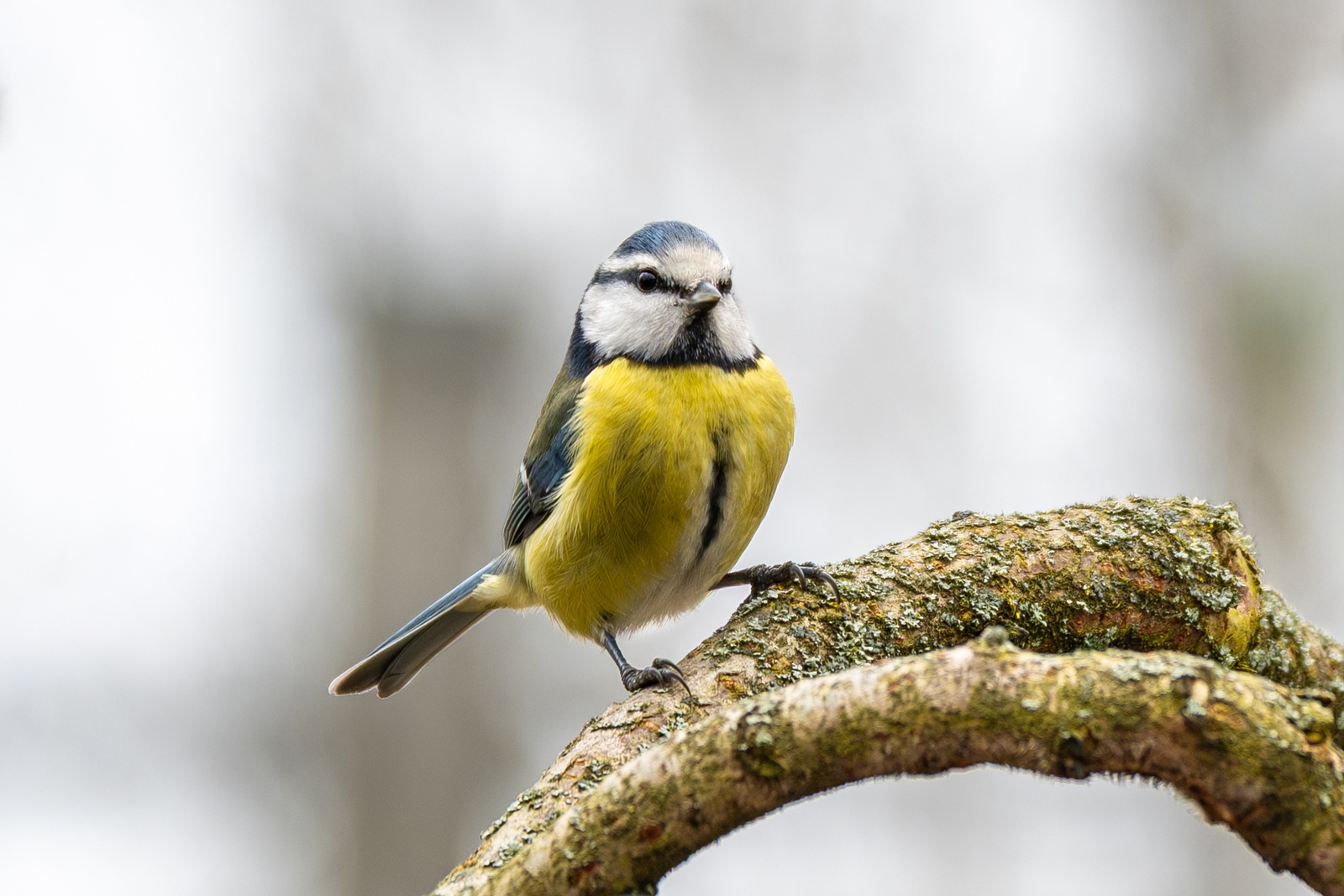
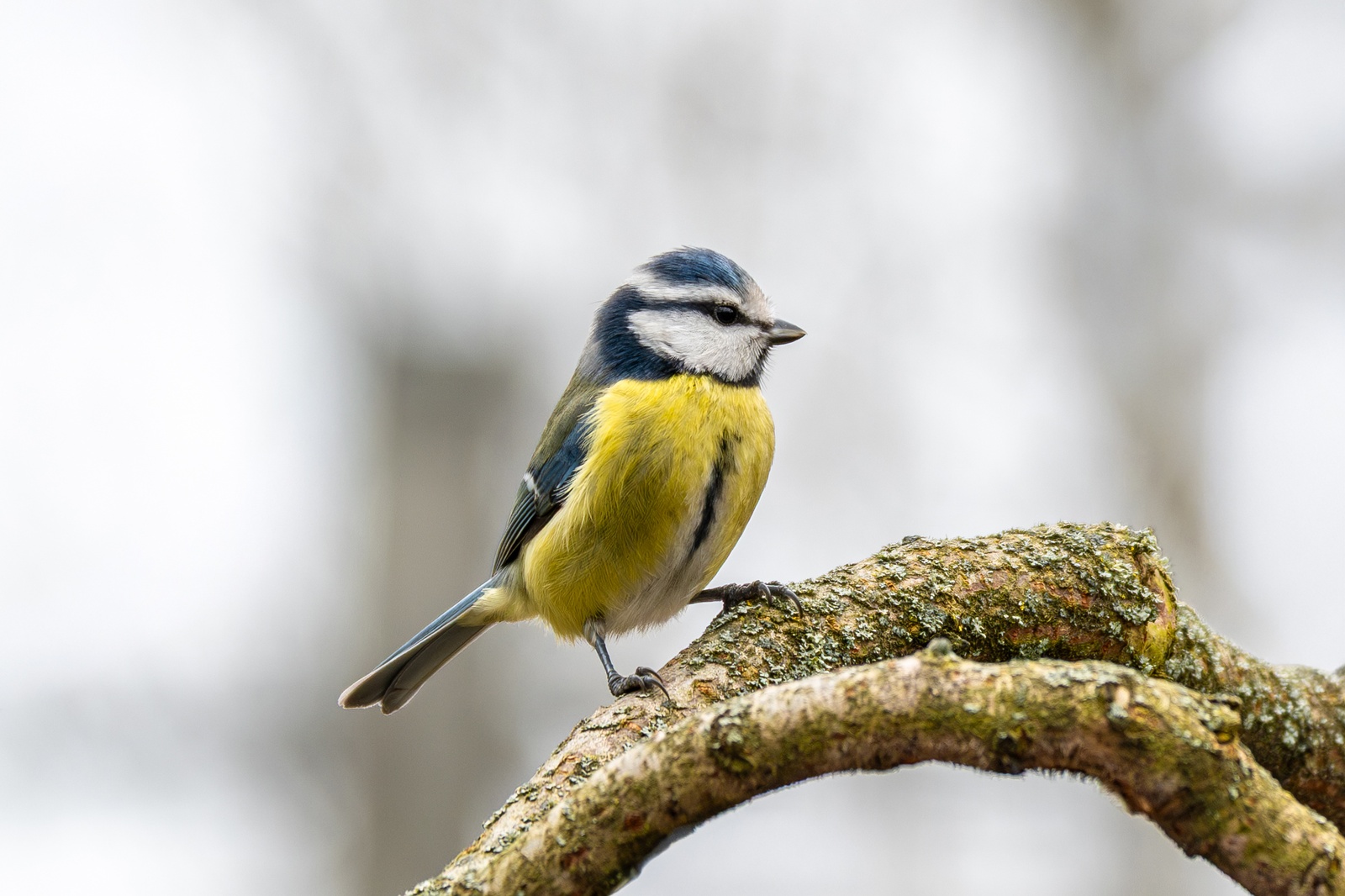



Photos taken with Nikon ZFc + Nikon Z DX 50-250mm f/4.5-6.3 VR – (CLOCK PHOTOS TO LARGE)
Did you know? – Blue Tit
The blue tit is a less frequent visitor compared to the great tit, but it is much faster and more agile. It usually arrives alone or in pairs and rarely stays for long. Sometimes it barely touches the feeder before grabbing a sunflower seed and darting away.
Because of its lightning-fast movements, it is particularly difficult to photograph, often disappearing within a second.
Blue tits don’t usually engage in obvious conflicts, but if they’ve been kept away from the feeder for a while, they can become surprisingly assertive. They arrive with speed and force, causing other birds to briefly step aside – just enough time to grab a seed.
Although they visit less often than great tits, their presence is always dynamic and exciting to observe.