Nuthatches on the Tree, Sparrows on the Wall – 21/03/2026
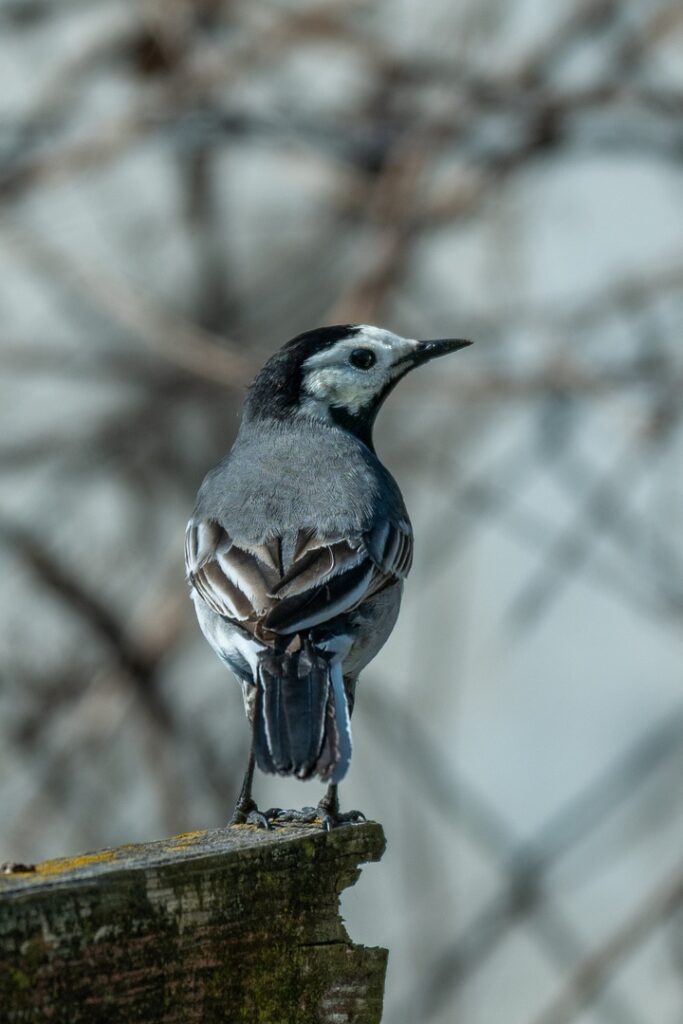
In early spring, white wagtails (Motacilla alba) begin to appear. They are often seen walking across freshly plowed fields, searching for small insects to feed on. Their distinctive black-and-white plumage makes them easy to spot against both brown soil and green grass. Their constant tail-wagging and lively movement give them a unique charm.
A pair has built its nest in the gutter of a neighboring house, so they can often be seen resting on the roof or along the edge of the gutter. This was the first time I was able to photograph them from such a close distance – around 4-6 meters.
The sunlight was quite strong, which made the lighting conditions less than ideal, with harsh shadows and strong contrast. Still, I tried to make the most of the situation, taking advantage of moments when the birds were lit from a more favorable angle.
As before, I used a 50-250mm telephoto lens and shot handheld without a tripod. Due to the birds’ quick movements, a fast shutter speed was essential, while I also tried to shoot from a lower angle to achieve a more natural perspective.
It quickly became clear that white wagtails are constantly on the move and rarely stay in one place for long. This made composition and precise focusing more challenging. However, they often returned to the same spots, which allowed me to anticipate their movements and prepare for the right moment.
It was especially interesting to observe how well they adapt to human environments, using man-made structures as natural resting places. The roof and gutter provided opportunities for both more natural-looking and slightly urban-style compositions.
I hope to photograph them again under better lighting conditions, with cleaner backgrounds. I would also love to capture more dynamic shots of them in action, such as taking off or foraging.

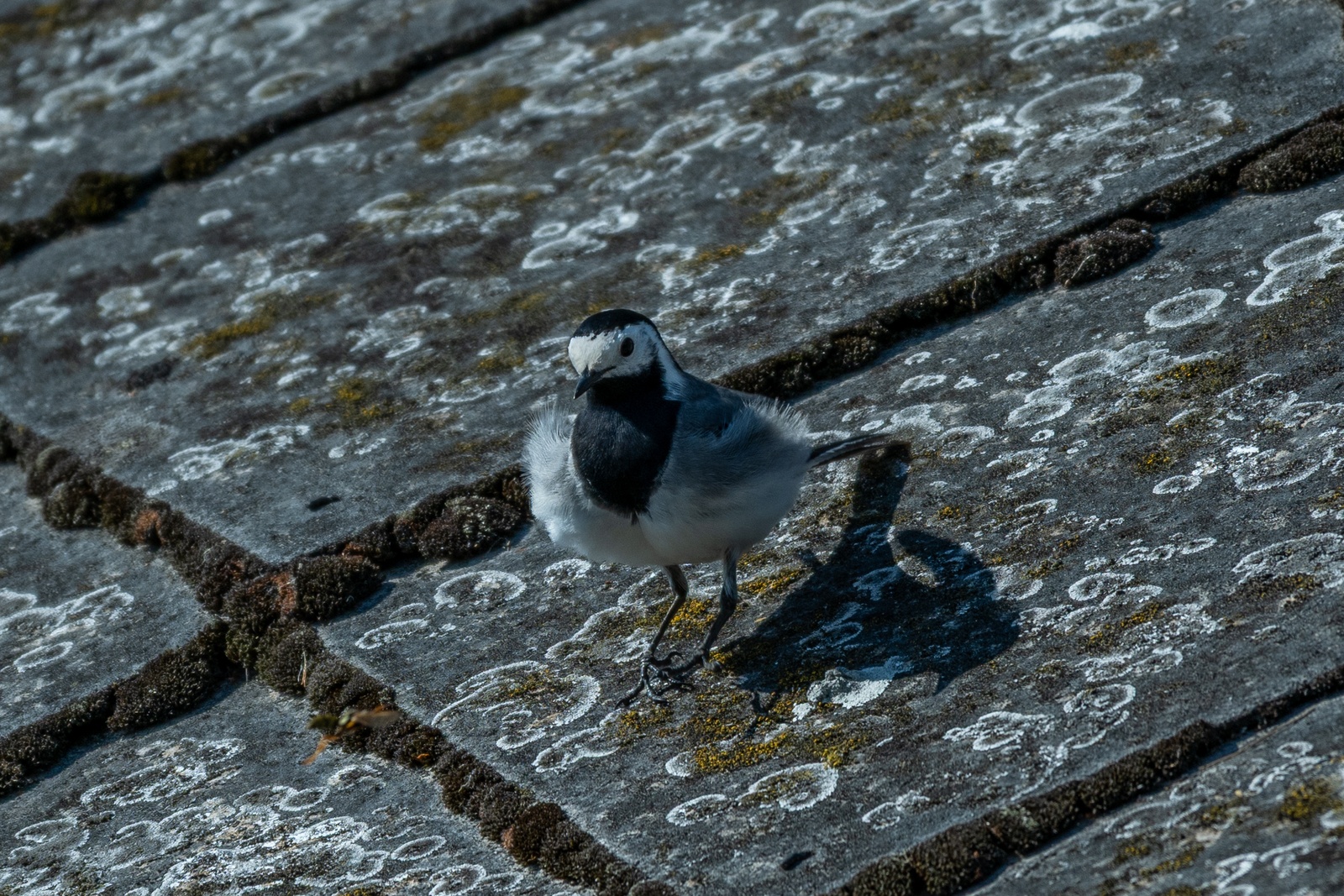


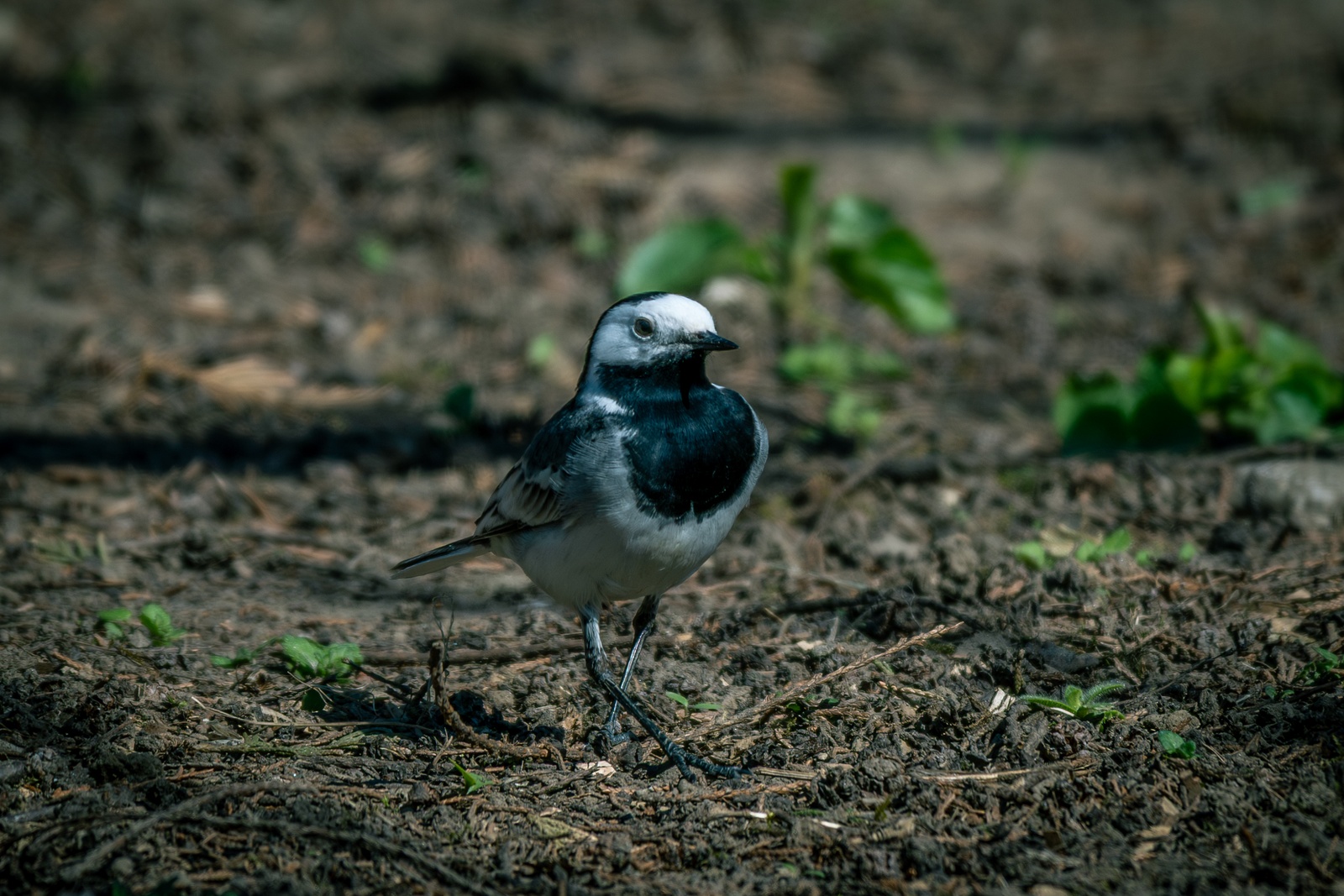


Photos taken with Nikon ZFc + Nikon Z DX 50-250mm f/4.5-6.3 VR – (CLOCK PHOTOS TO LARGE)
Did you know? – White Wagtail
The white wagtail is one of the most elegant and active visitors in the garden, especially during spring when it appears more frequently. It usually moves along the ground or low vegetation, constantly searching for insects.
Its most distinctive behavior is the continuous wagging of its tail, which is how it got its name. With its quick running movements and short flights, it is almost always in motion, making it both interesting to observe and challenging to photograph.
Unlike many feeder birds, wagtails rarely visit feeders. Instead, they prefer natural food sources and are most often seen on lawns, dirt paths, or near water.
Although not as colorful as some other birds, its graceful appearance and constant activity make it a fascinating subject to watch in any garden.