
Camera
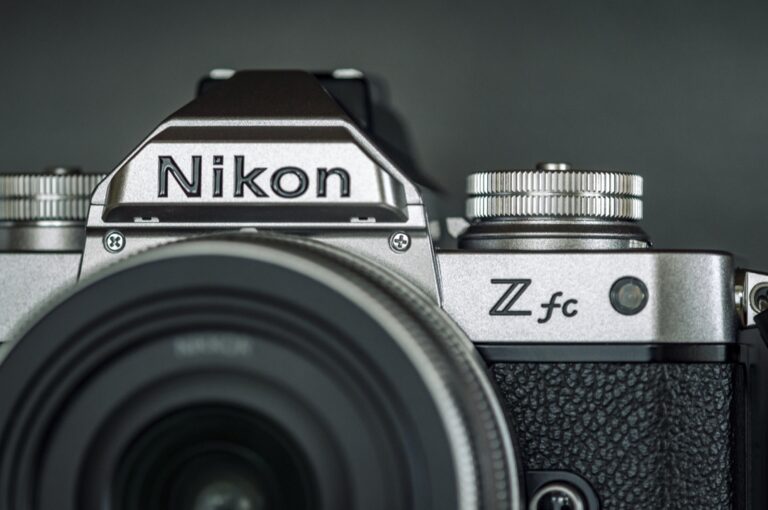
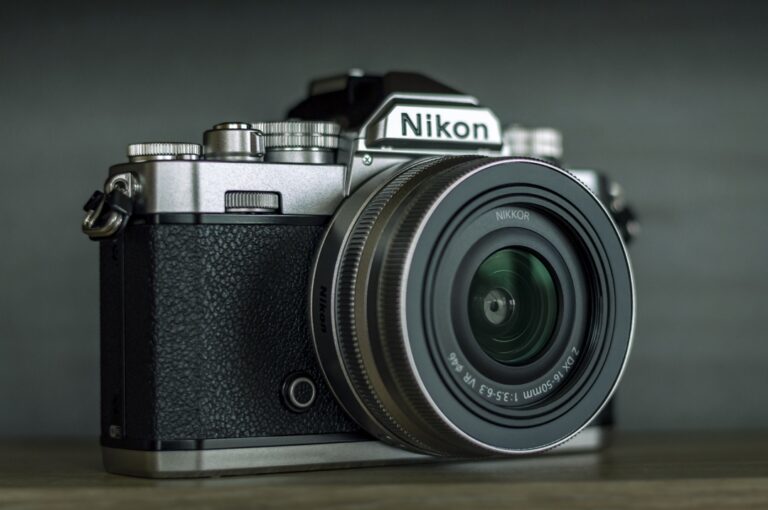
After four years of using the Fuji S5700, I switched to the Nikon system. I used a D90 for four years, followed by another four years with the D750. In 2020, I moved to a mirrorless system. The retro design of the Nikon Z fc immediately caught my attention, and since the only real alternative was the more modern-looking Z50, I ultimately chose this classic-style body.
For those who appreciate a retro aesthetic, this is a very appealing little camera. Similar designs can also be found in the lineups of Fuji and OM System (formerly Olympus).
After the full-frame sensor of the D750, moving to an APS-C sensor felt like a slight step back, but in practice I hardly notice any disadvantage. For hobby photography, it is more than sufficient. Modern sensors, combined with continuously improving image processing software — especially with the support of AI — deliver excellent image quality.
I’ve been using the Z fc for six years now, and it already has nearly 55,000 shutter actuations. If I could change one thing about it, it would be replacing the 20-megapixel sensor with a higher-resolution one, such as 32 megapixels.
Currently, I use four lenses with this body, depending on the subject.

Lenses
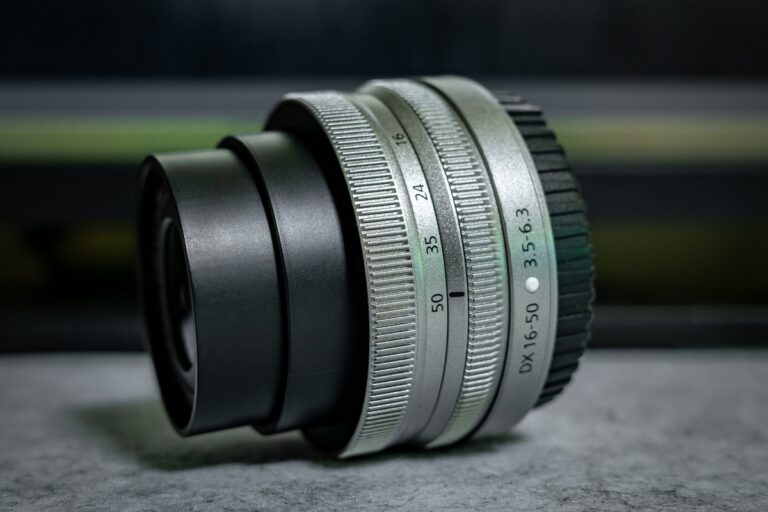
Nikon Z DX 16-50mm f/3.5-6.3 VR
This lens came as part of a kit with the camera body, just like the 50–250mm. The silver version matches the look of the camera particularly well, although it is also available in black. In the beginning, this was the lens I used most often, but nowadays it’s no longer my primary choice. Thanks to its relatively wide field of view, I mainly use it for landscapes and shooting in smaller spaces.
Overall, I’m satisfied with its sharpness and image quality. It’s not a professional-grade lens, but it performs more than well enough for hobby use.
It’s a very compact and lightweight lens. The entire zoom range can be covered with just a short turn of the zoom ring. At 16mm, the corners become slightly soft, and in tighter indoor spaces some distortion can be noticeable near the edges of the frame. Despite this, it’s a very likable and practical piece of gear.
Nikon Z DX 50-250mm f/4.5-6.3 VR
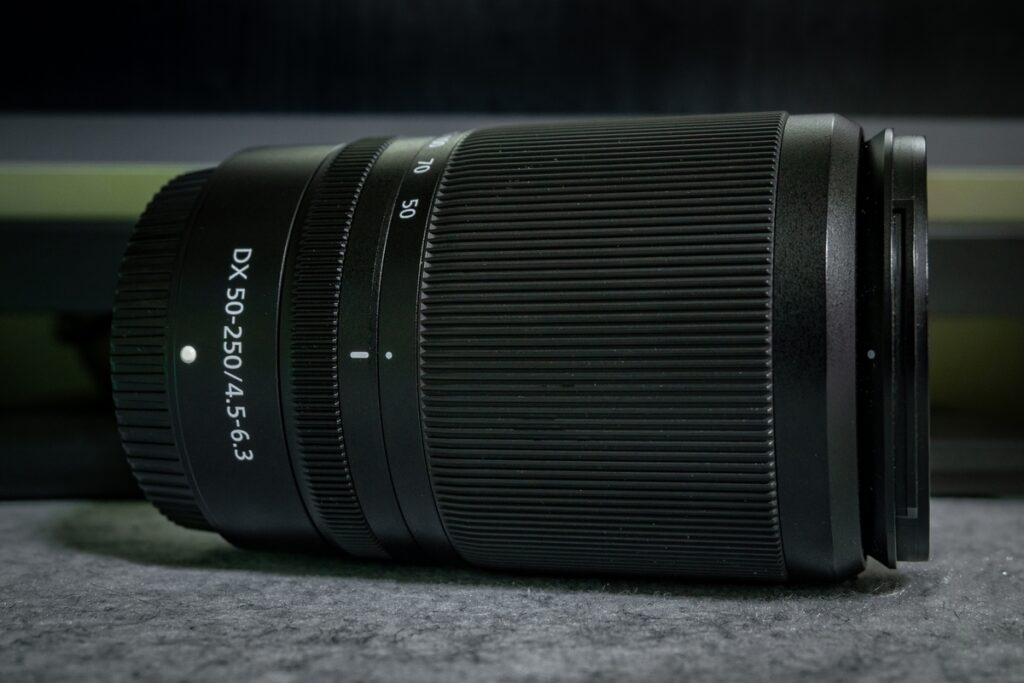
This lens came as part of my camera kit and has since become one of the most frequently used pieces in my gear. Thanks to its versatility, it is a great choice for wildlife photography, sports events, or even portraits when I want to keep some distance from the subject. Its image quality and sharpness are noticeably better than those of the 16–50 mm kit lens, especially at the telephoto end where the difference becomes more apparent.
The zoom range is covered with a relatively short and smooth movement, allowing for precise and comfortable handling even in fast-paced situations. The built-in image stabilization is highly effective for handheld shooting, particularly at longer focal lengths where camera shake is more likely to occur. The aperture is average, so in low-light situations some compromises may be necessary, but with proper technique it still performs reliably.
The lens extends during zooming and focusing, which takes a bit of getting used to, but the overall construction feels solid and dependable. All in all, this is a user-friendly and reliable telephoto zoom lens that performs well in a wide range of shooting scenarios, making it a regular part of my kit.
Nikon Z DX 24mm f/1.7
With its fast f/1.7 aperture, this lens performs exceptionally well in indoor environments and low-light conditions. It is an excellent choice for events, weddings, or family gatherings where preserving natural light is important. The wide aperture not only allows more light to reach the sensor but also enables a pleasing background blur, helping to isolate the subject.
In smaller spaces, the 24 mm focal length can be somewhat limiting when photographing larger groups, but it works beautifully for smaller scenes and individual portraits. The perspective feels natural and avoids excessive distortion, making it well-suited for photographing people. Image quality and sharpness are excellent, even when shooting wide open, which is a significant practical advantage.
Autofocus is fast and reliable, making it suitable for dynamic situations as well. Its compact size and relatively lightweight design make it easy to carry, so I often choose it when traveling light. Overall, it is a versatile and fast prime lens that truly shines in challenging lighting conditions.

Venus Laowa 100mm f/2.8 2X Ultra Macro APO

This is a manual focus lens primarily designed for macro photography. Its impressive 2:1 magnification ratio makes it possible to capture extremely fine details, whether it’s plants, insects, or textures. This level of magnification opens up creative perspectives, allowing everyday subjects to be presented in a completely new and visually striking way.
Image quality is excellent, with outstanding detail and contrast, which are essential for macro work. Since the lens does not include built-in stabilization, it requires a more careful approach, and I often use it with a tripod or stable support. Manual focusing slows down the shooting process, but it also provides greater control over composition and precise focus placement.
Due to its size and weight, I use it less frequently and mainly bring it along for dedicated macro sessions. It is the largest and heaviest lens in my kit, but the image quality and magnification capabilities fully justify the trade-off. The internal focusing design ensures that the physical length of the lens remains constant during use, which improves handling and stability. This lens is an ideal choice when I want to explore and capture the world of fine details up close.