Sparrows Take Over the Feeder - 18/03/2026

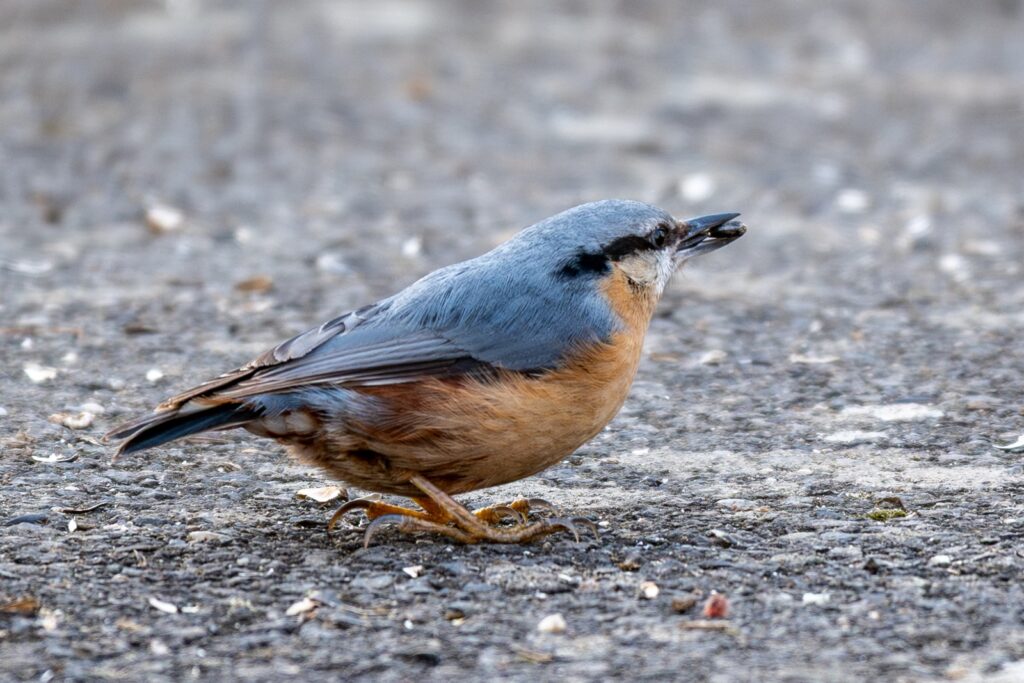
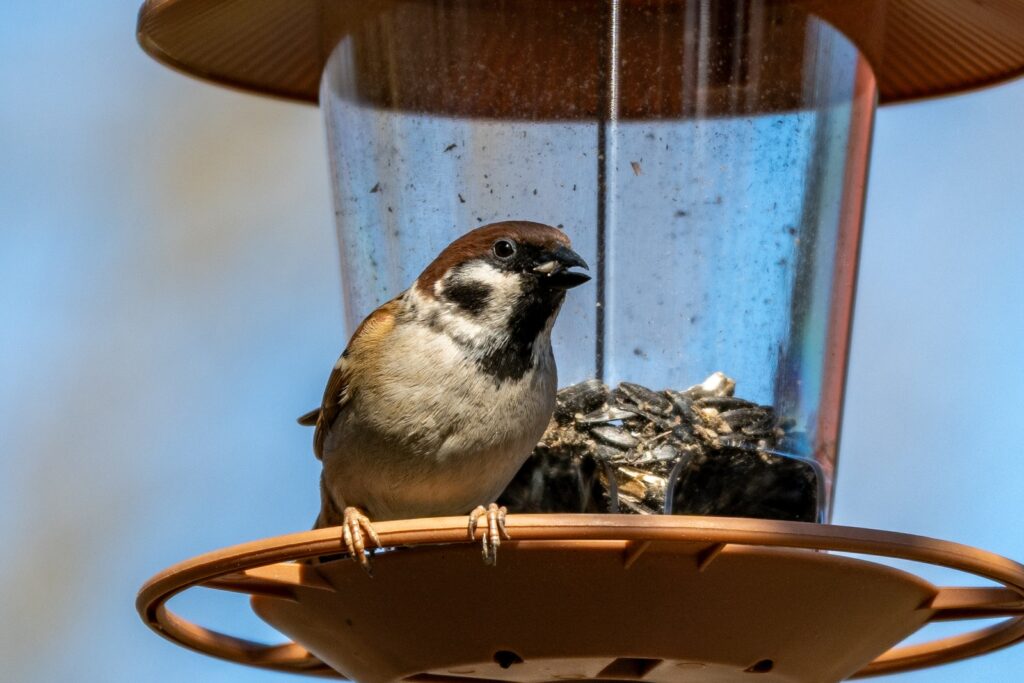
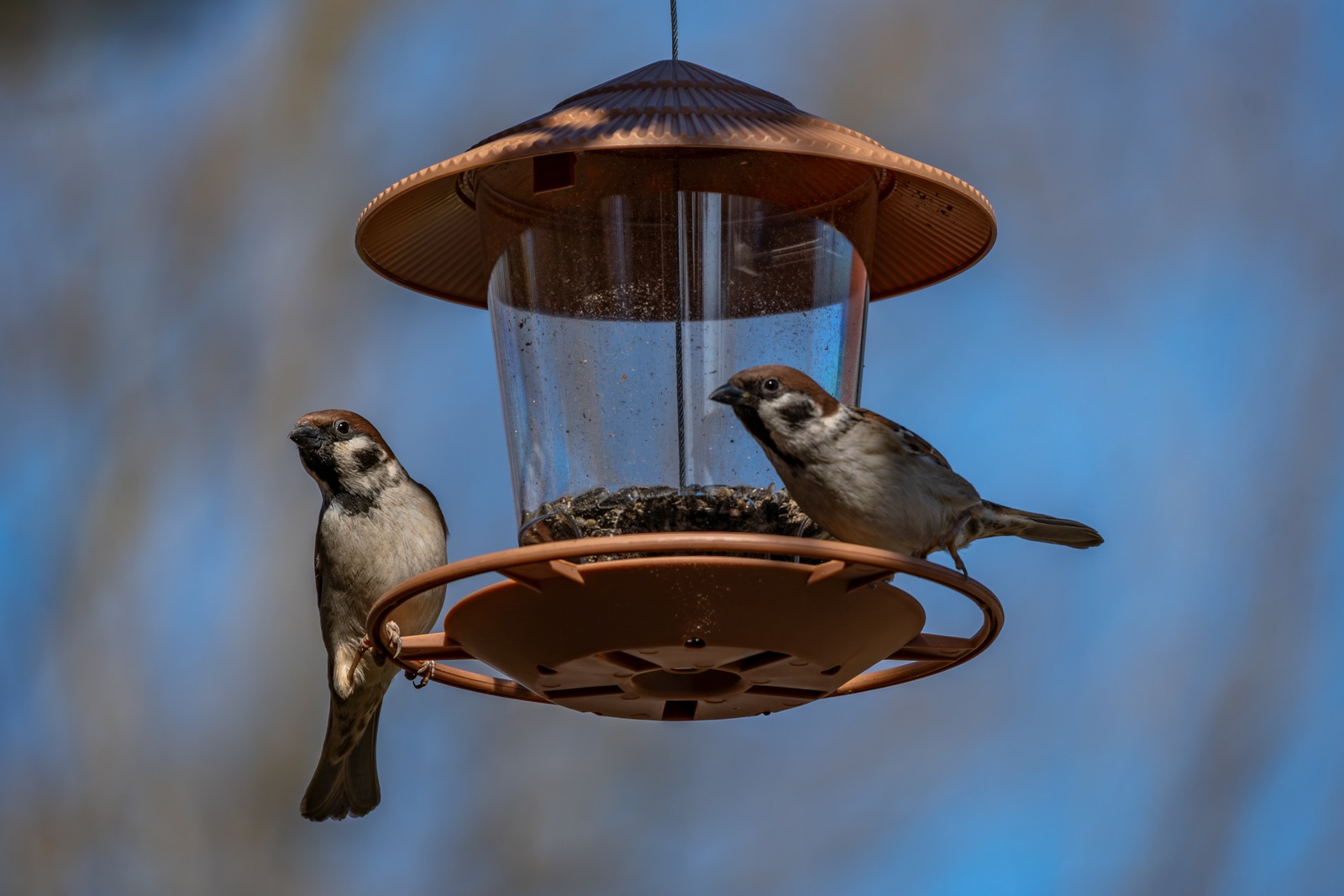
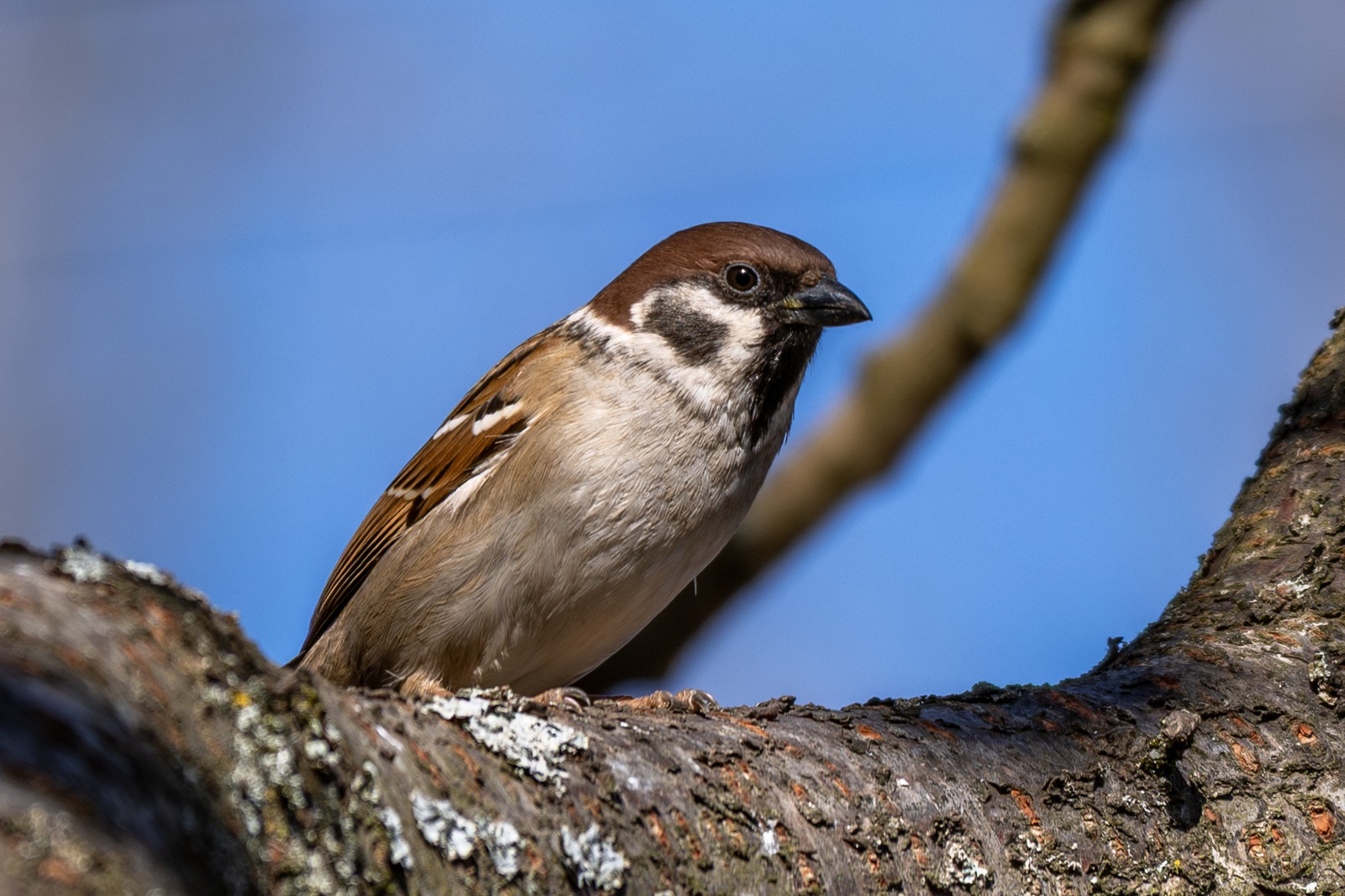
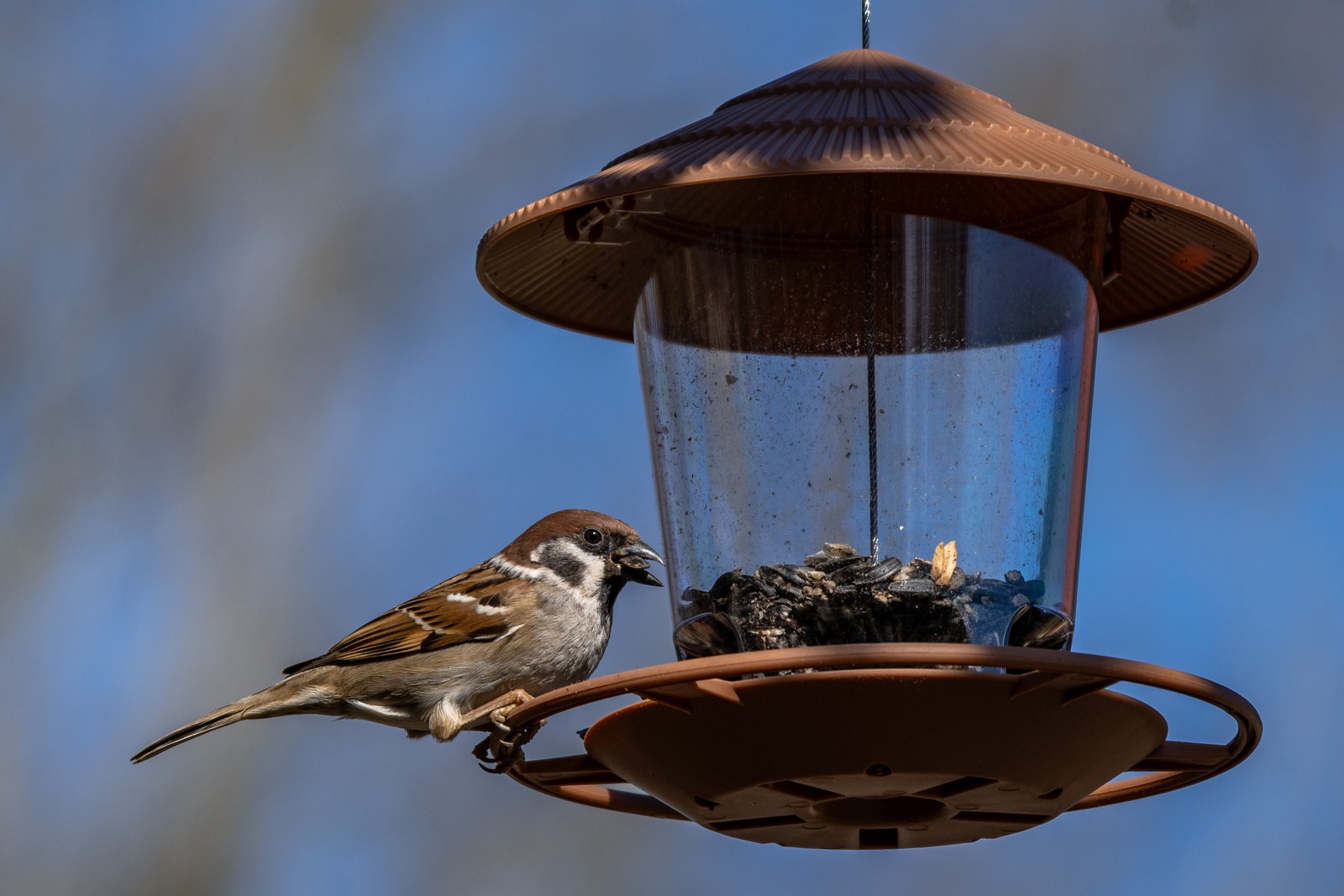
My next bird photography session once again took place in the yard. The feeder hanging on the staghorn sumac continues to attract a large number of birds, and house sparrows (Passer domesticus) are becoming increasingly dominant.
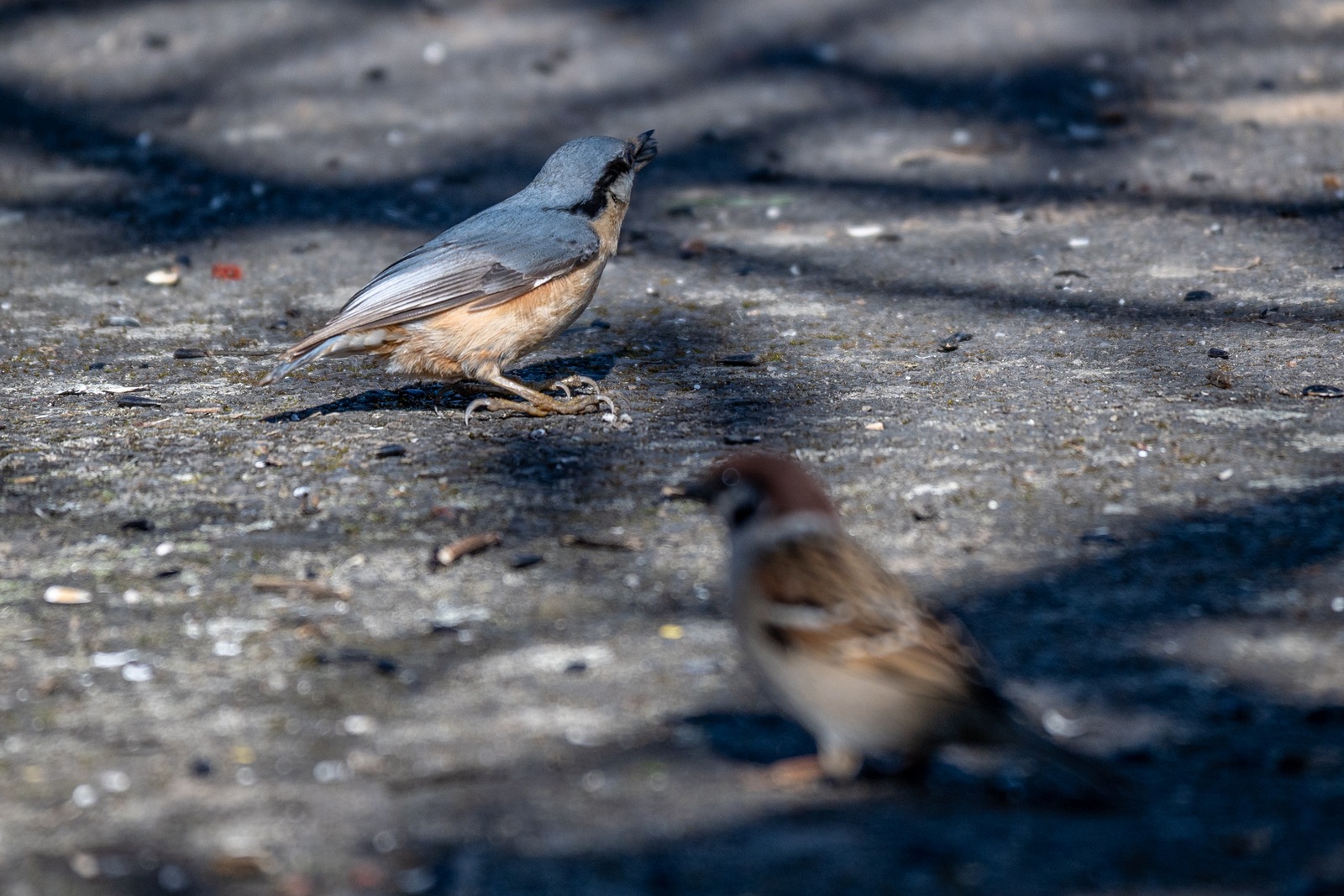
They don’t harm or disturb the other birds, but they are noticeably more aggressive when it comes to feeding. Instead of simply picking a single seed, they tend to scatter a lot onto the ground. As a result, many birds have started foraging below the feeder, picking up the fallen seeds.
The weather was clear and sunny, creating stronger contrasts and deeper shadows. With the abundance of light, I was able to use much faster shutter speeds, which made it easier to avoid motion blur.
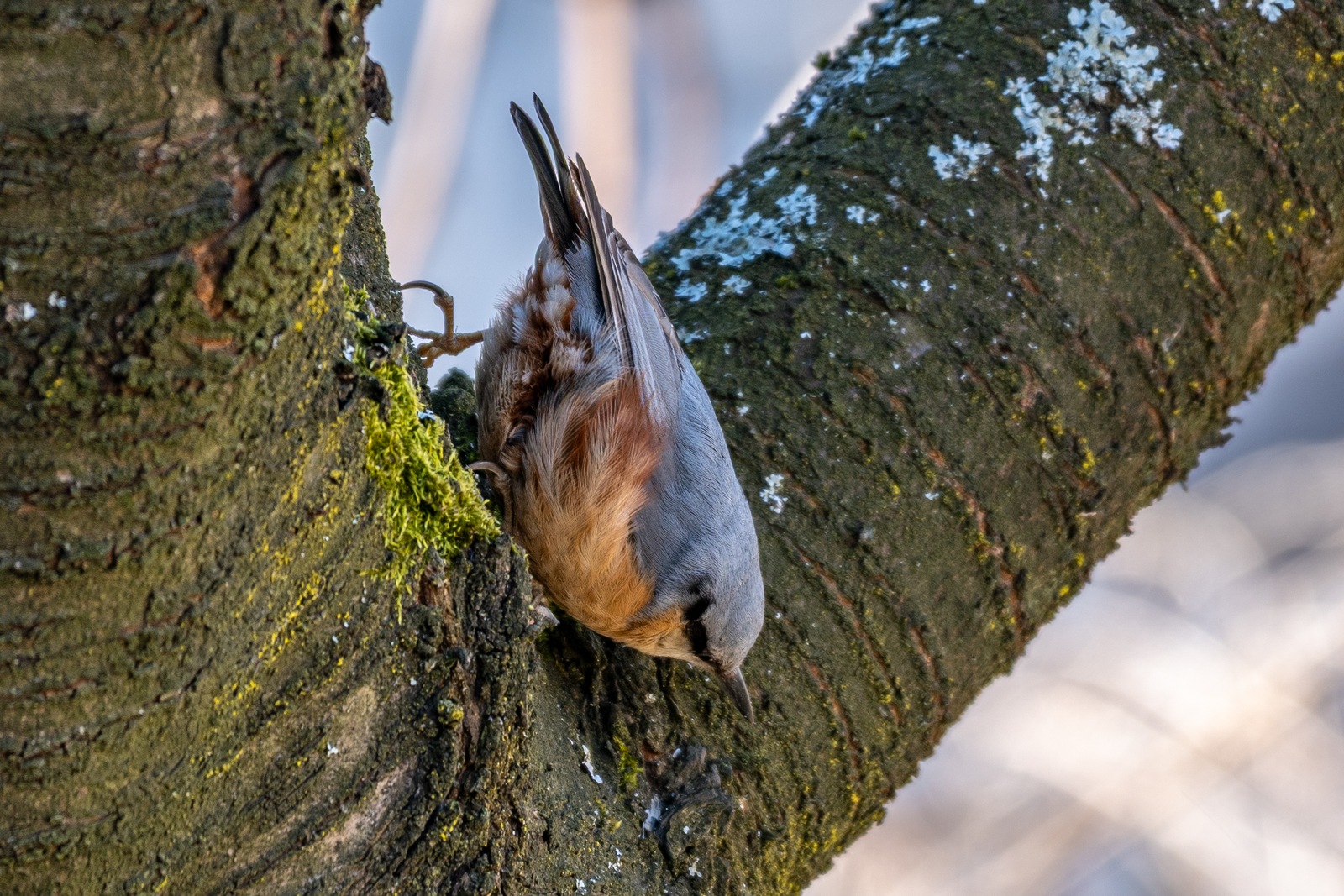
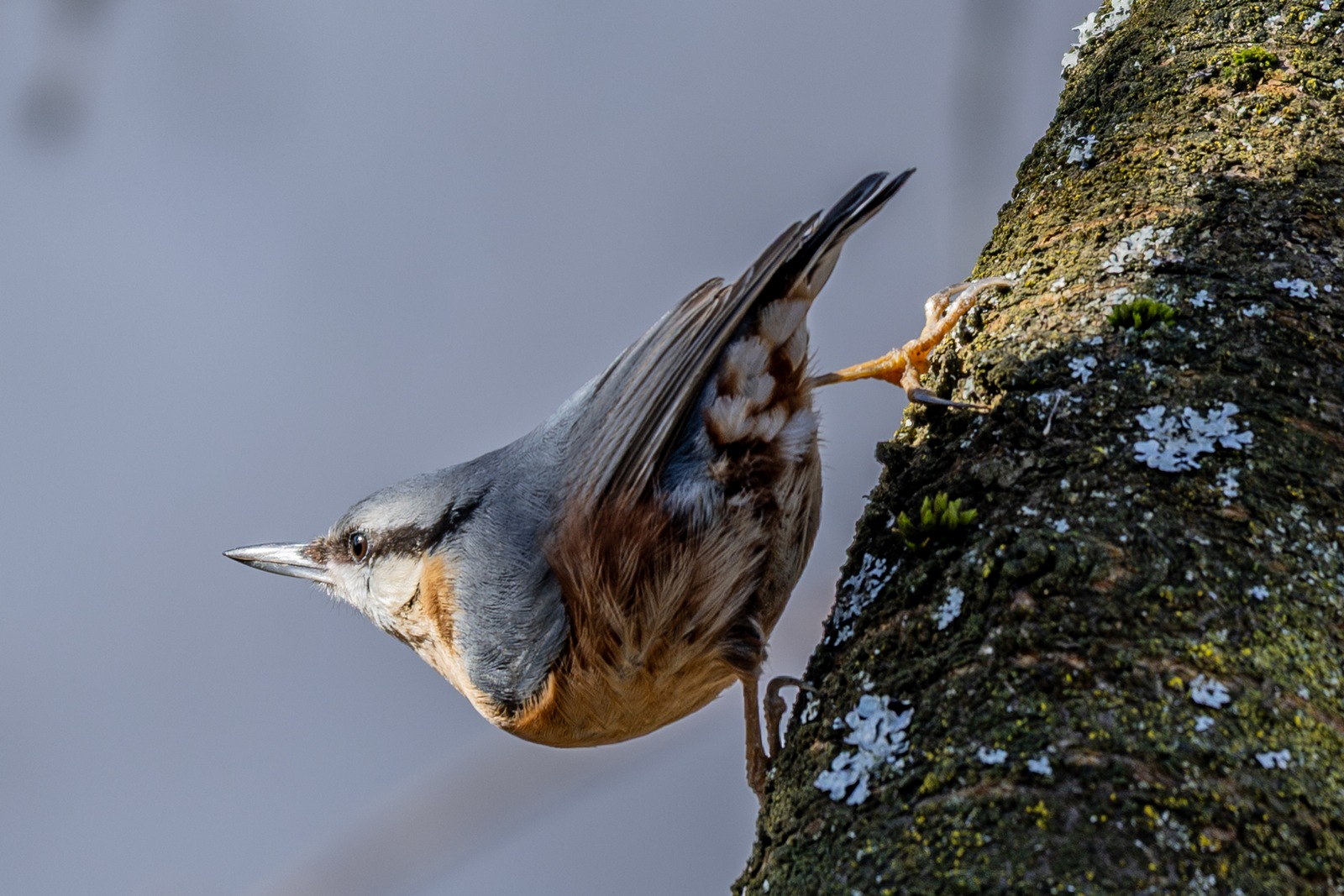
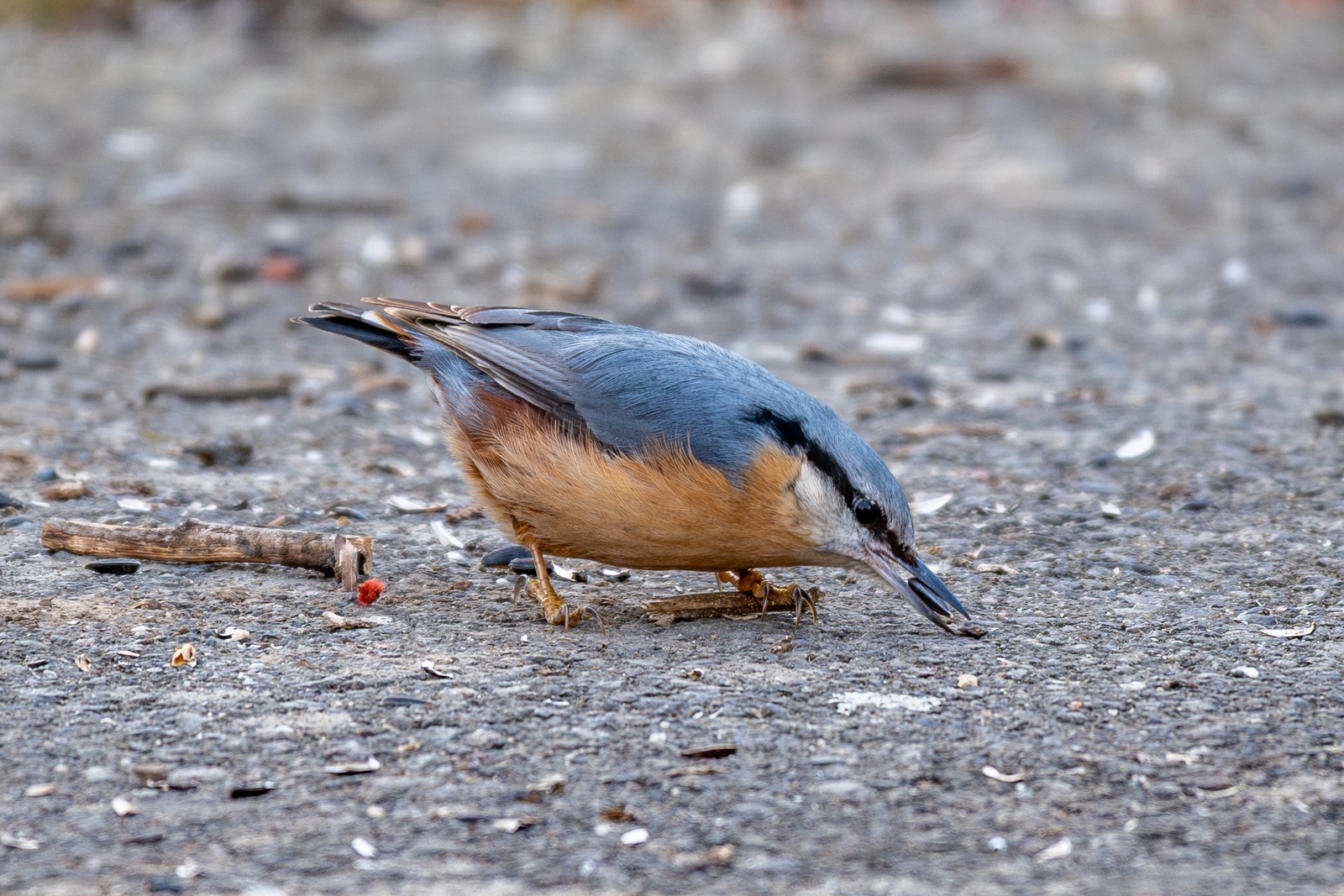
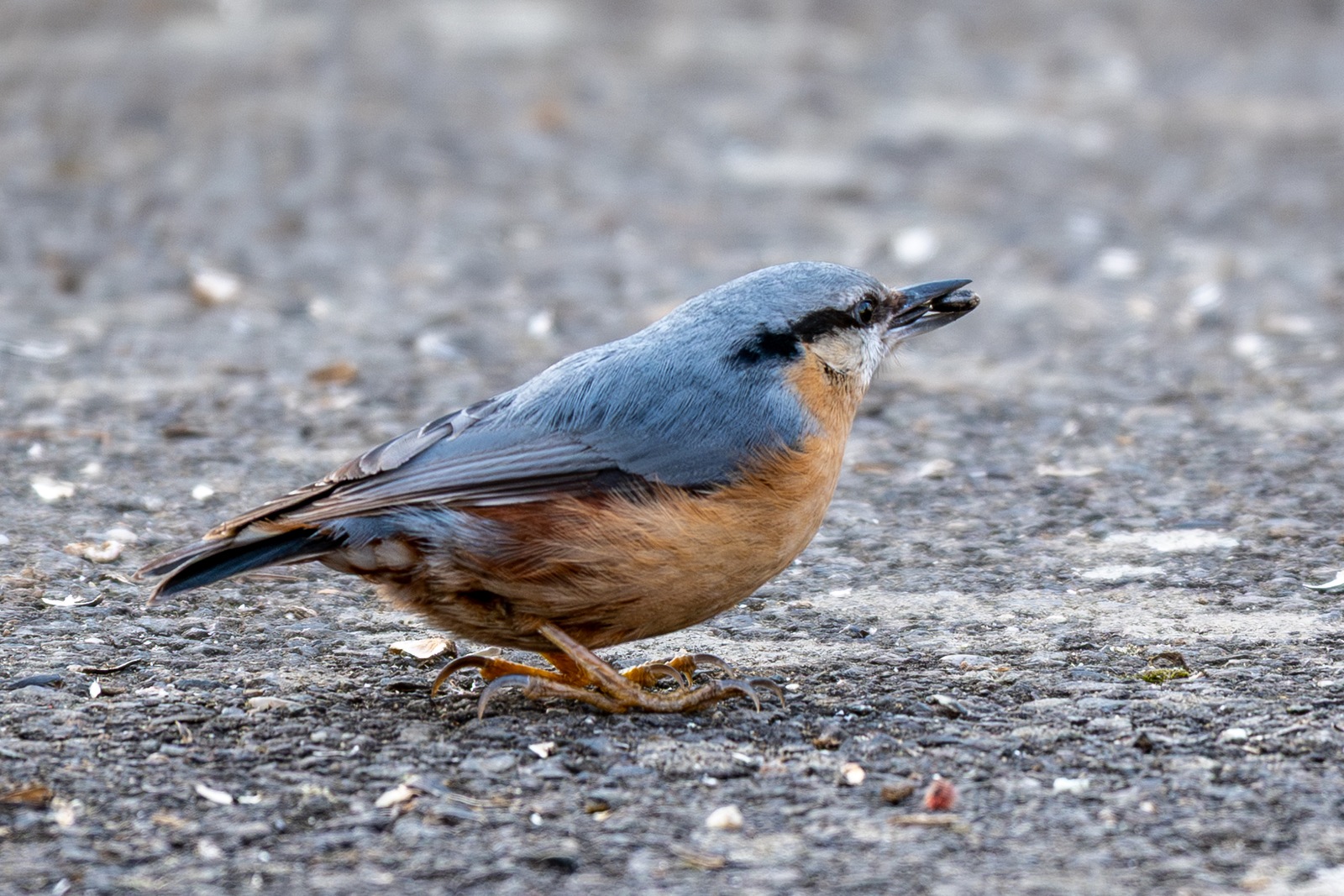
This time, I mainly focused on house sparrows, although a few Eurasian nuthatches (Sitta europaea) also appeared. Unfortunately, I didn’t manage to capture any particularly strong shots of them, but the sparrows were great subjects and posed nicely. The backgrounds turned out relatively clean and uniform once again.
The photos were taken from a distance of about 3-5 meters. I also used a tripod, mainly to avoid having to hold the camera for extended periods. If you can remain still for long enough – and ideally stay partially concealed – the birds will eventually grow more confident and come surprisingly close.
They don’t always fly away even with small movements – except when I rotate the lens toward them. The reflection on the large front element likely startles them, so it’s something that requires extra care.
There was also an exciting moment during the session: a bird of prey – most likely a kestrel – swooped down from above. It caught both the birds and me completely off guard.
It didn’t manage to catch any prey, but it scattered all the birds for several minutes. I had to wait again for them to return to the feeder. Capturing a dynamic shot of a bird of prey like that would be incredible
I hope I’ll manage to photograph a moment like this someday.
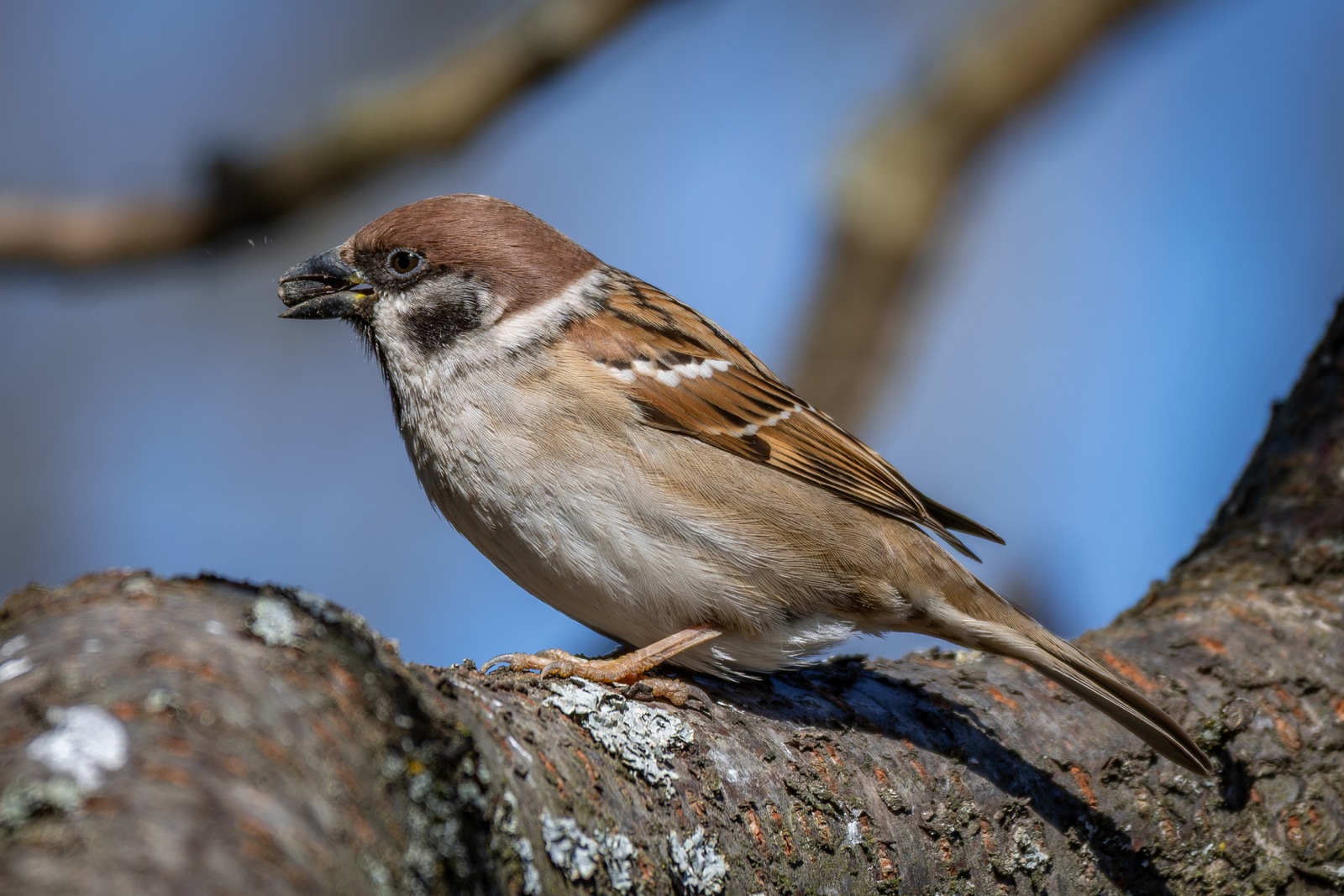
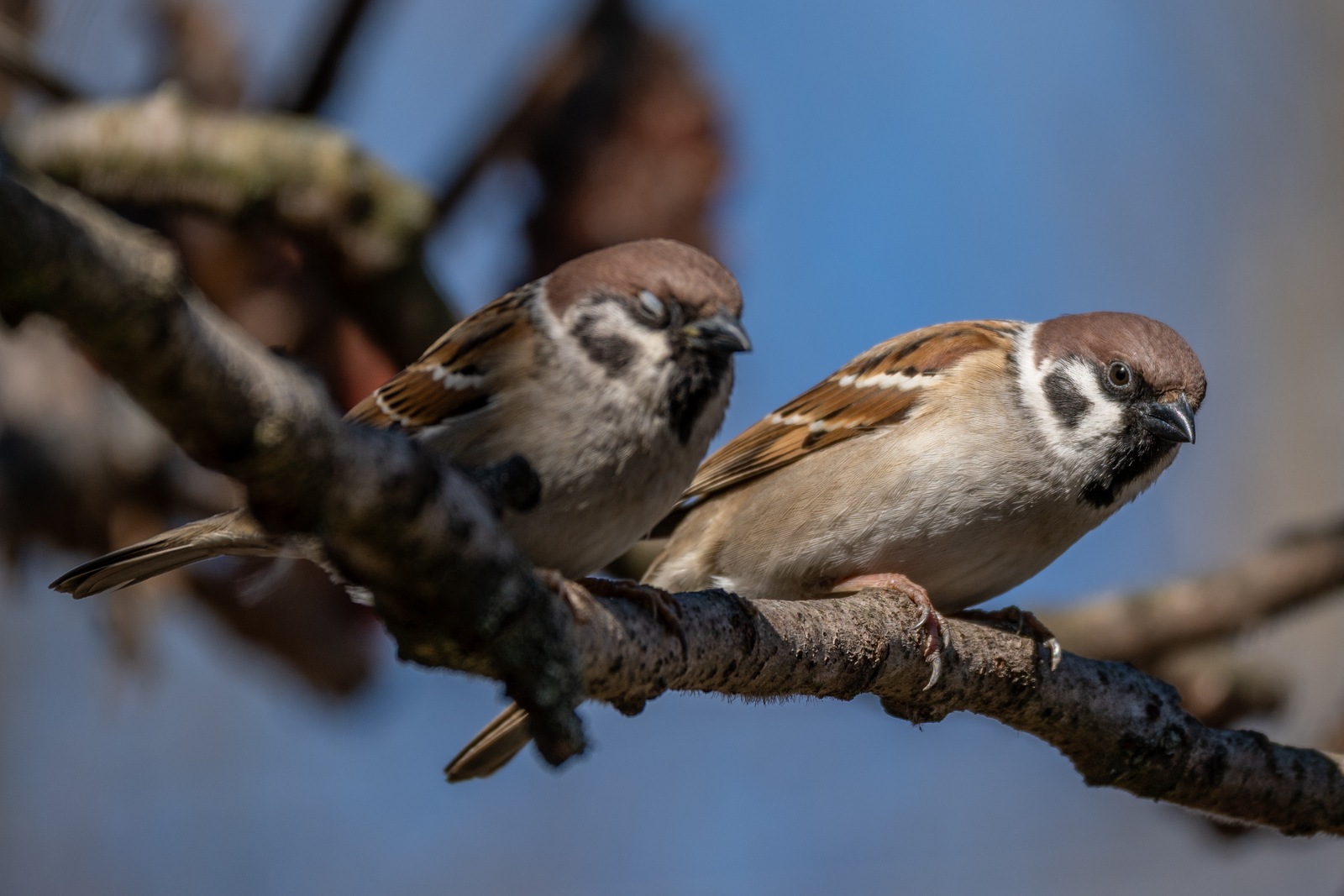
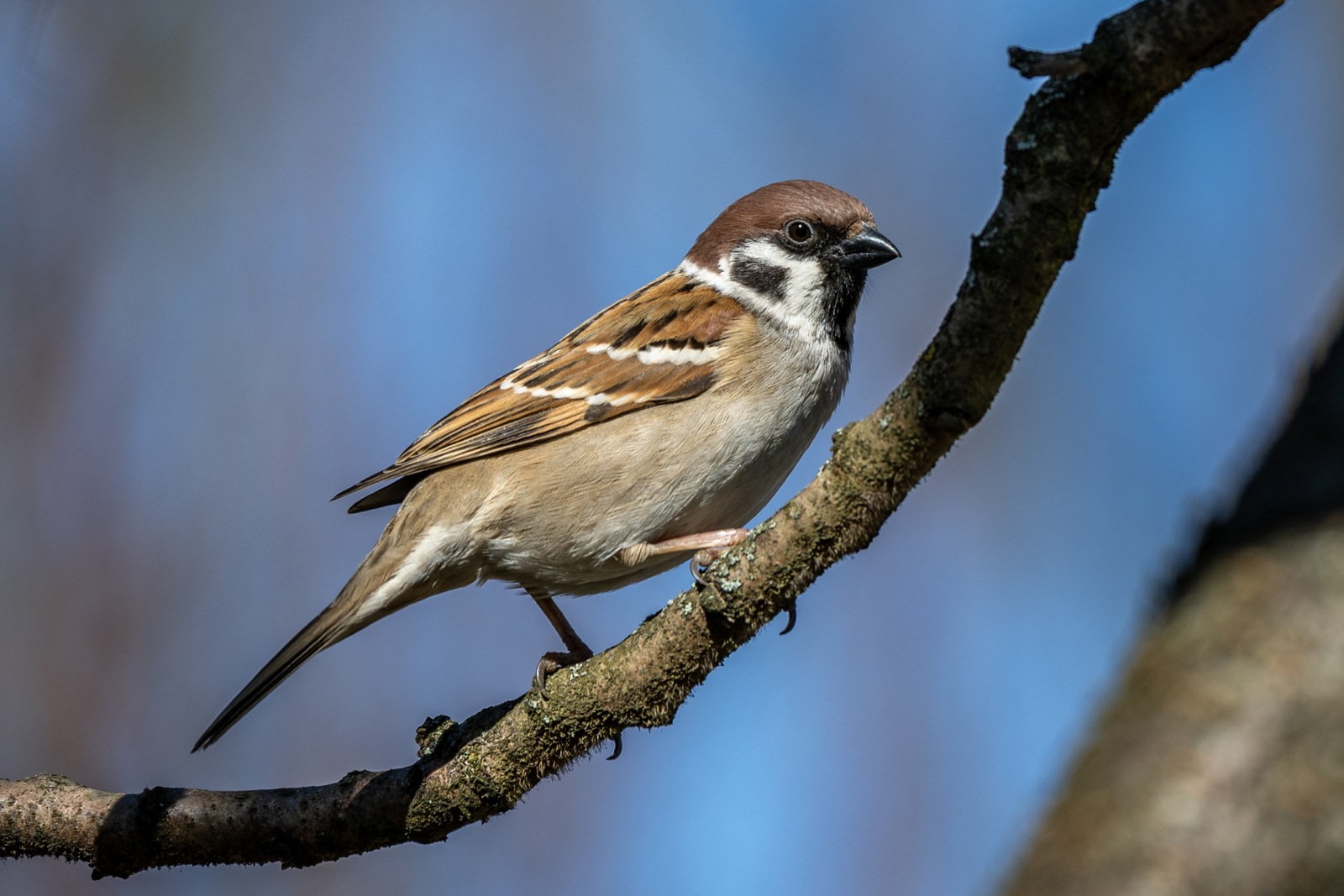
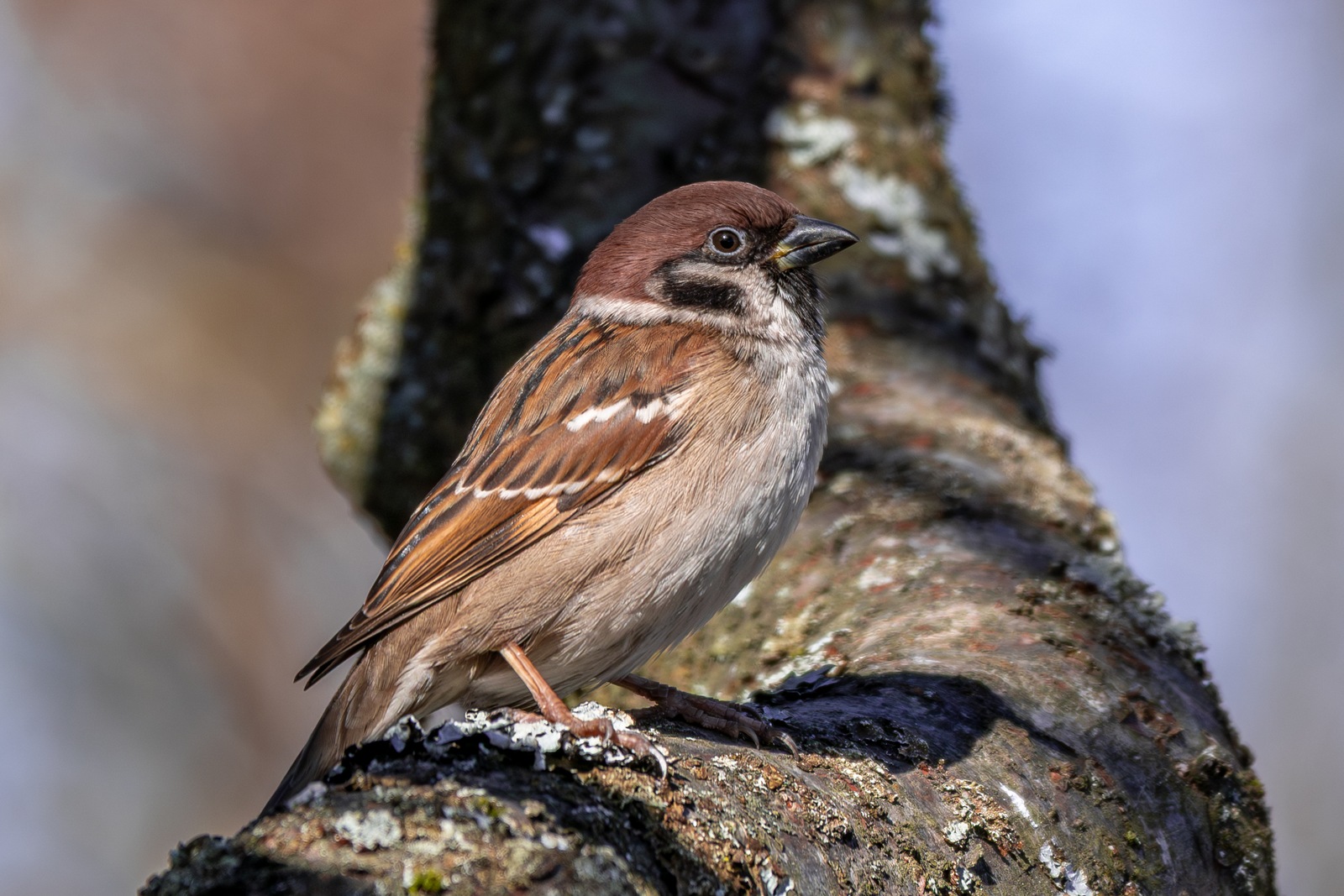
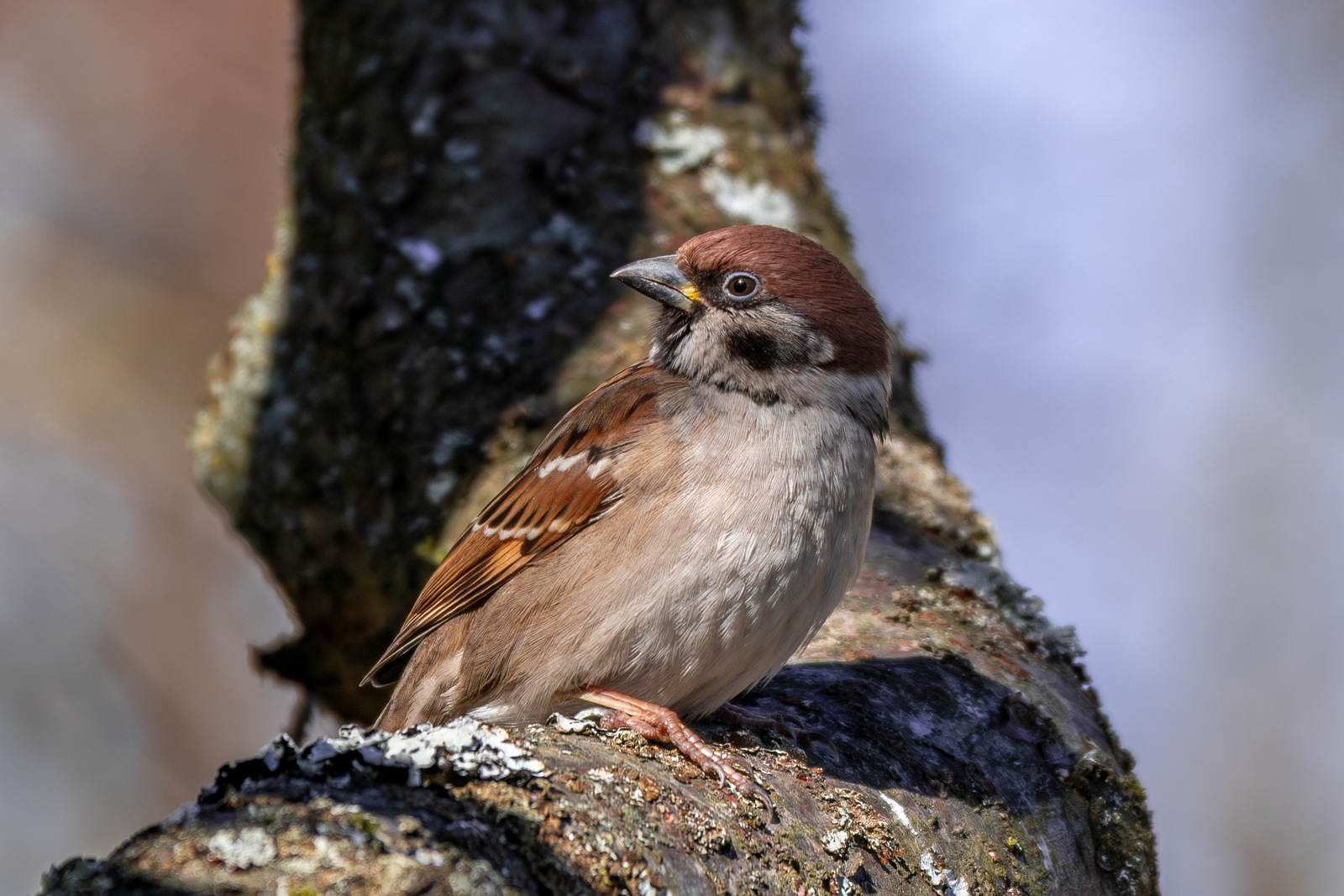
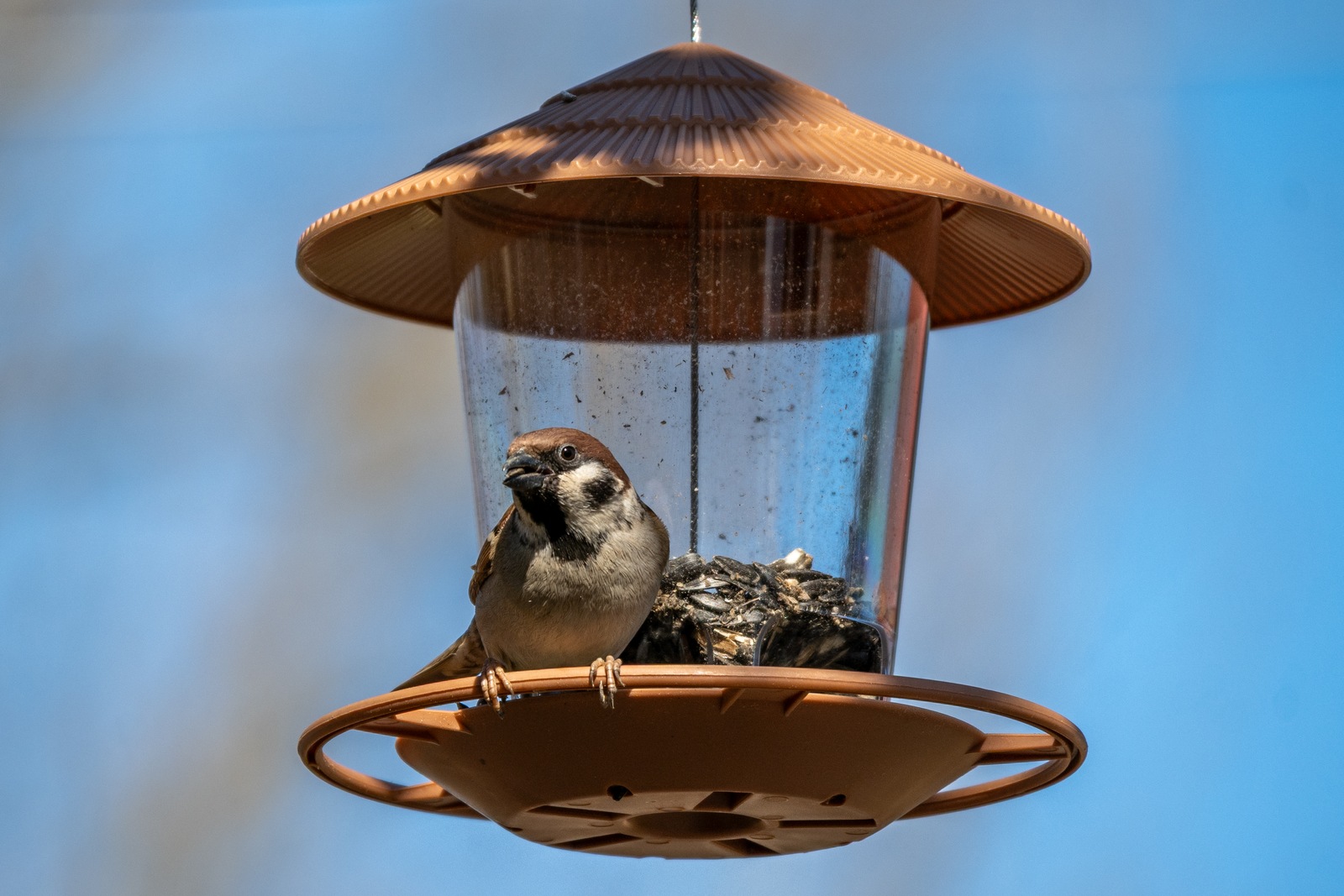
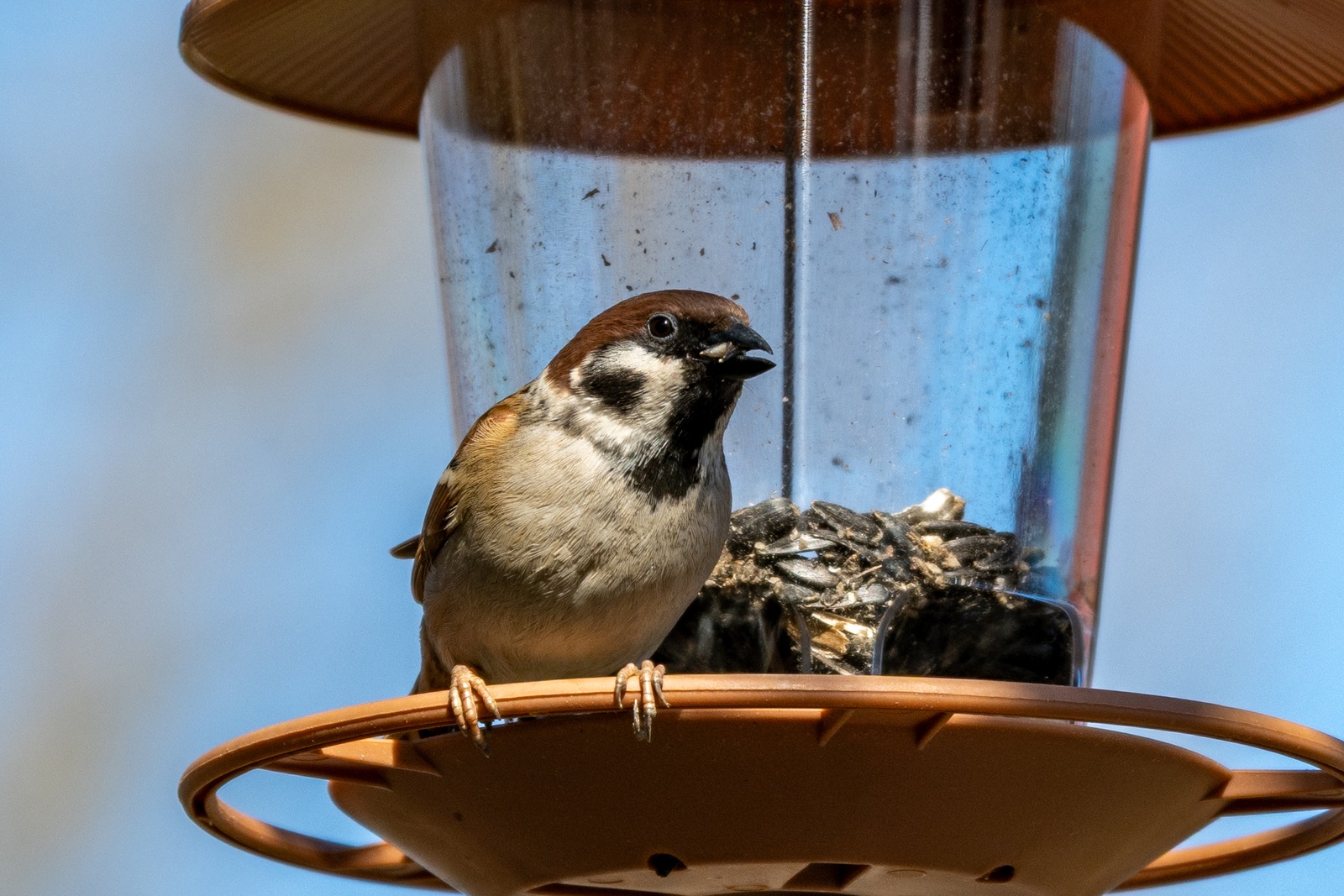
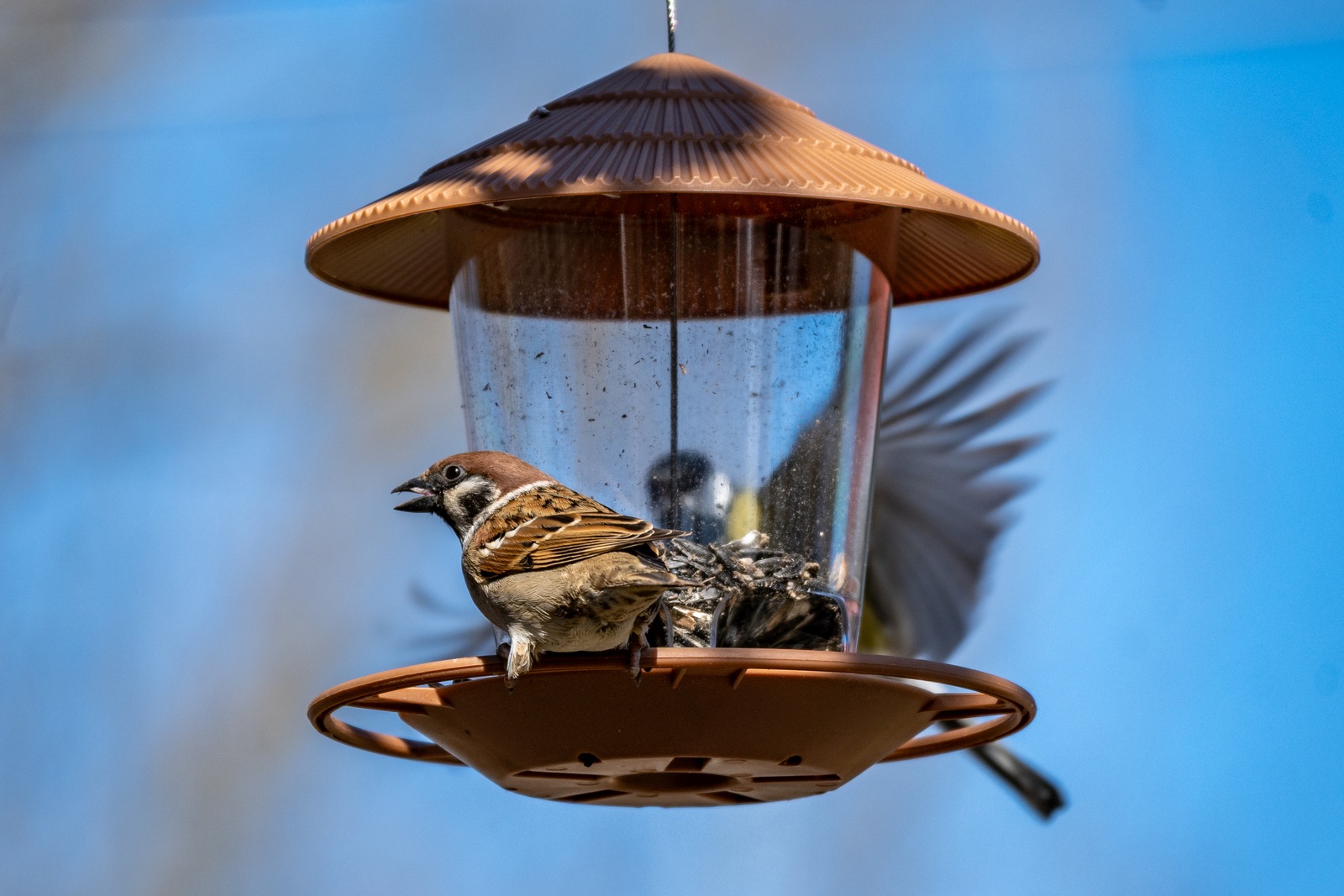
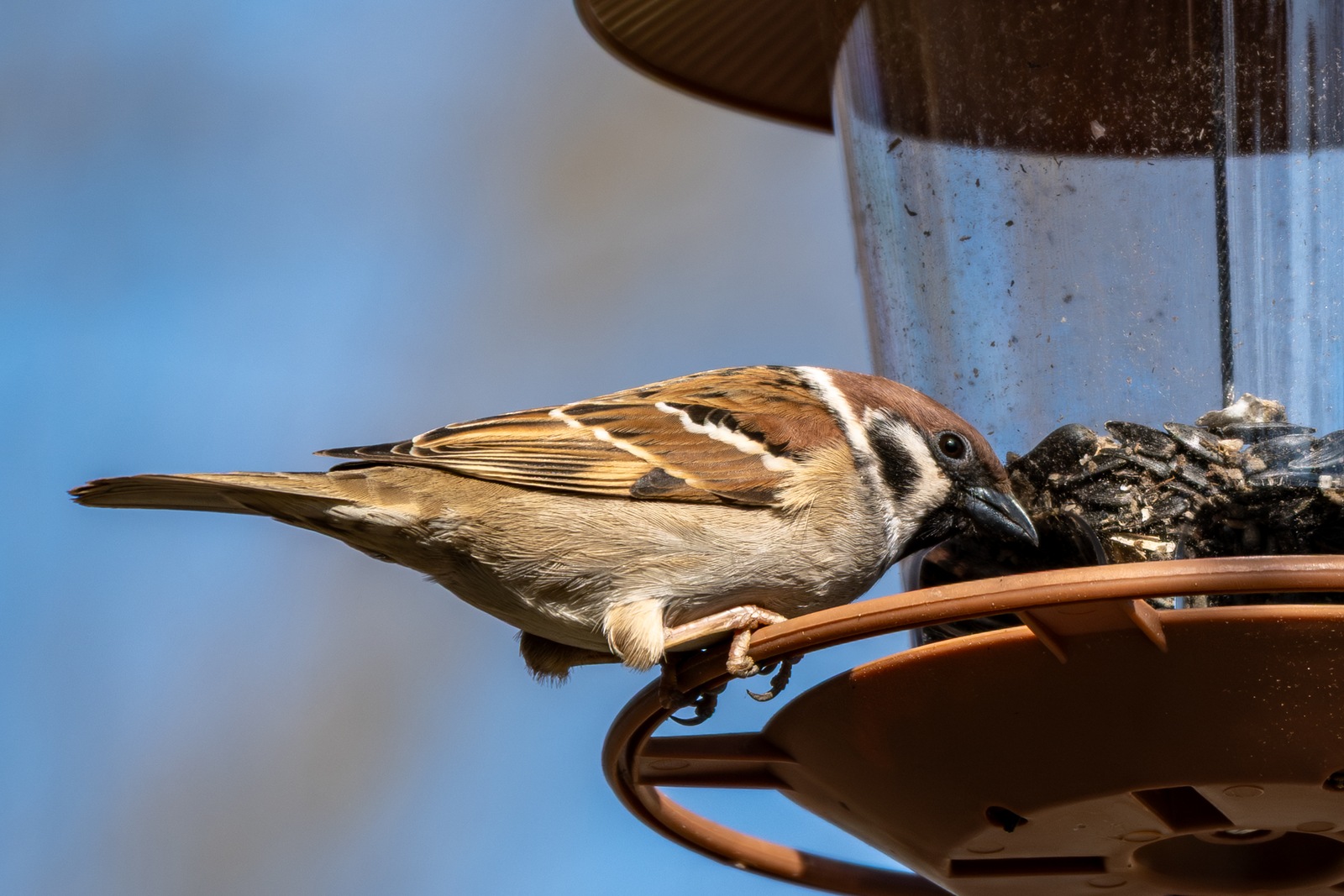
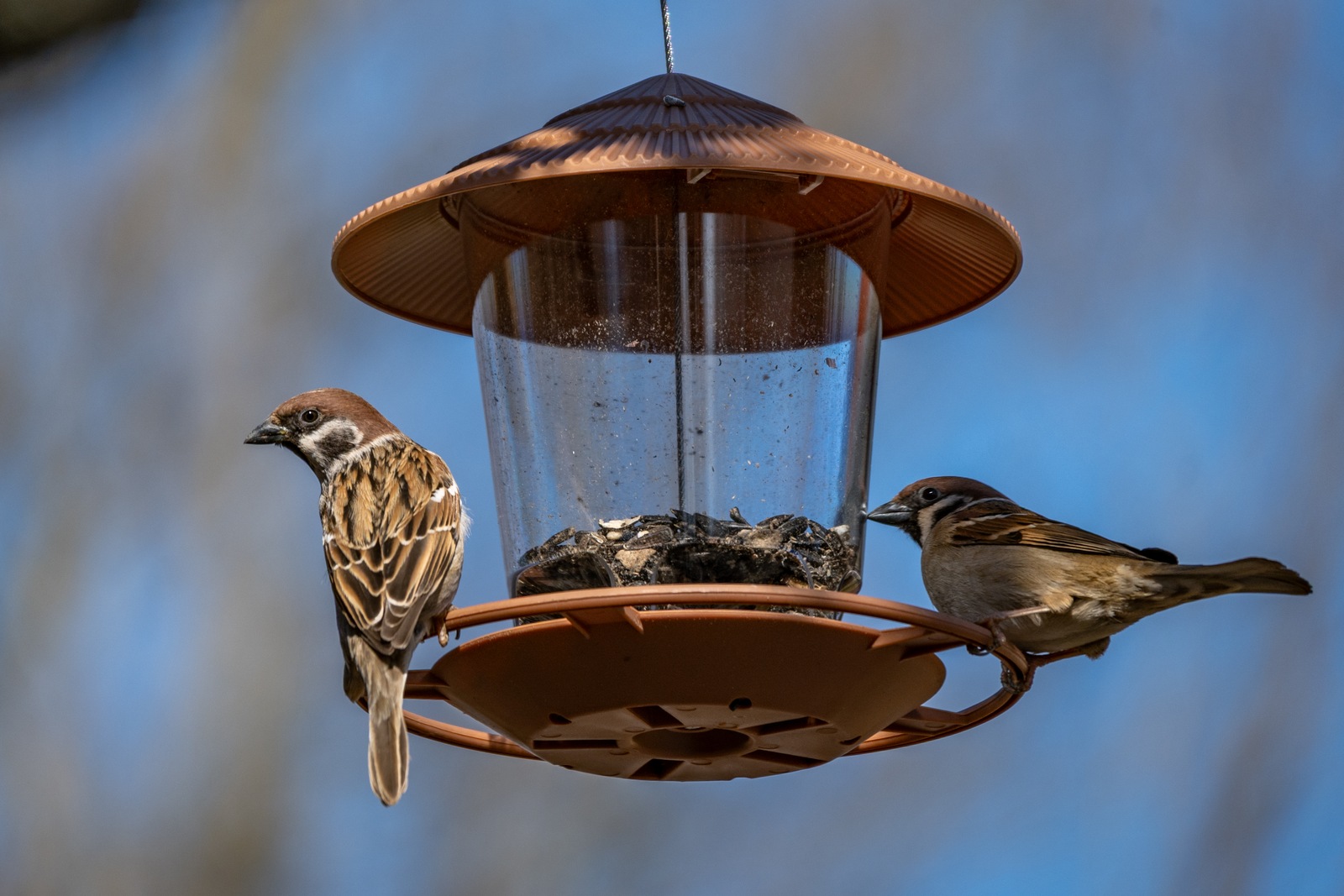
Photos taken with Nikon ZFc + Nikon Z DX 50-250mm f/4.5-6.3 VR – (CLOCK PHOTOS TO LARGE)
Did you know? - Eurasian Nuthatch
The Eurasian nuthatch is not always present at feeders every year, but when it does appear, it quickly stands out. It is usually a solitary bird and behaves quite differently from other songbirds.
It has a strong appetite and feeds in a unique way. Unlike many other birds, it often takes sunflower seeds without removing the shell and may even carry several seeds at once in its beak. It is also larger than most feeder birds, and its long, sharp beak gives it a powerful appearance.
When the nuthatch arrives, there’s no need for confrontation – other birds simply move aside. It doesn’t act aggressively, yet its presence commands respect.
It prefers feeders mounted on trees, but if it gets used to the area, it will also feed from a windowsill. Interestingly, it is not bothered by human activity behind the glass, seemingly aware that the barrier poses no threat.
Its movement is also distinctive. It often climbs along tree trunks and thicker branches, even moving head-down. Its flight, however, is somewhat clumsy, so it prefers stable landing spots with open space. Once it settles, it becomes relatively easy to photograph.