
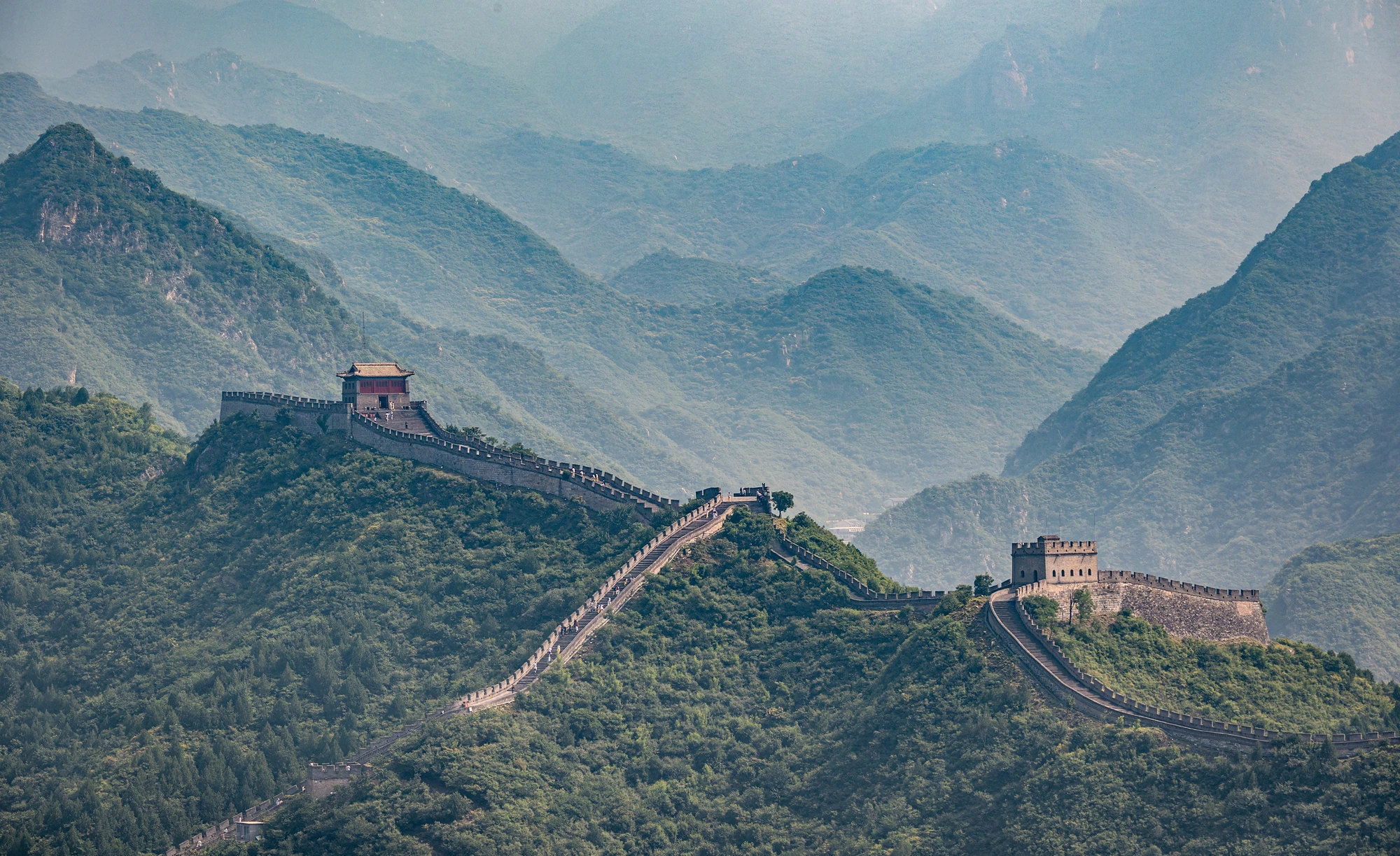
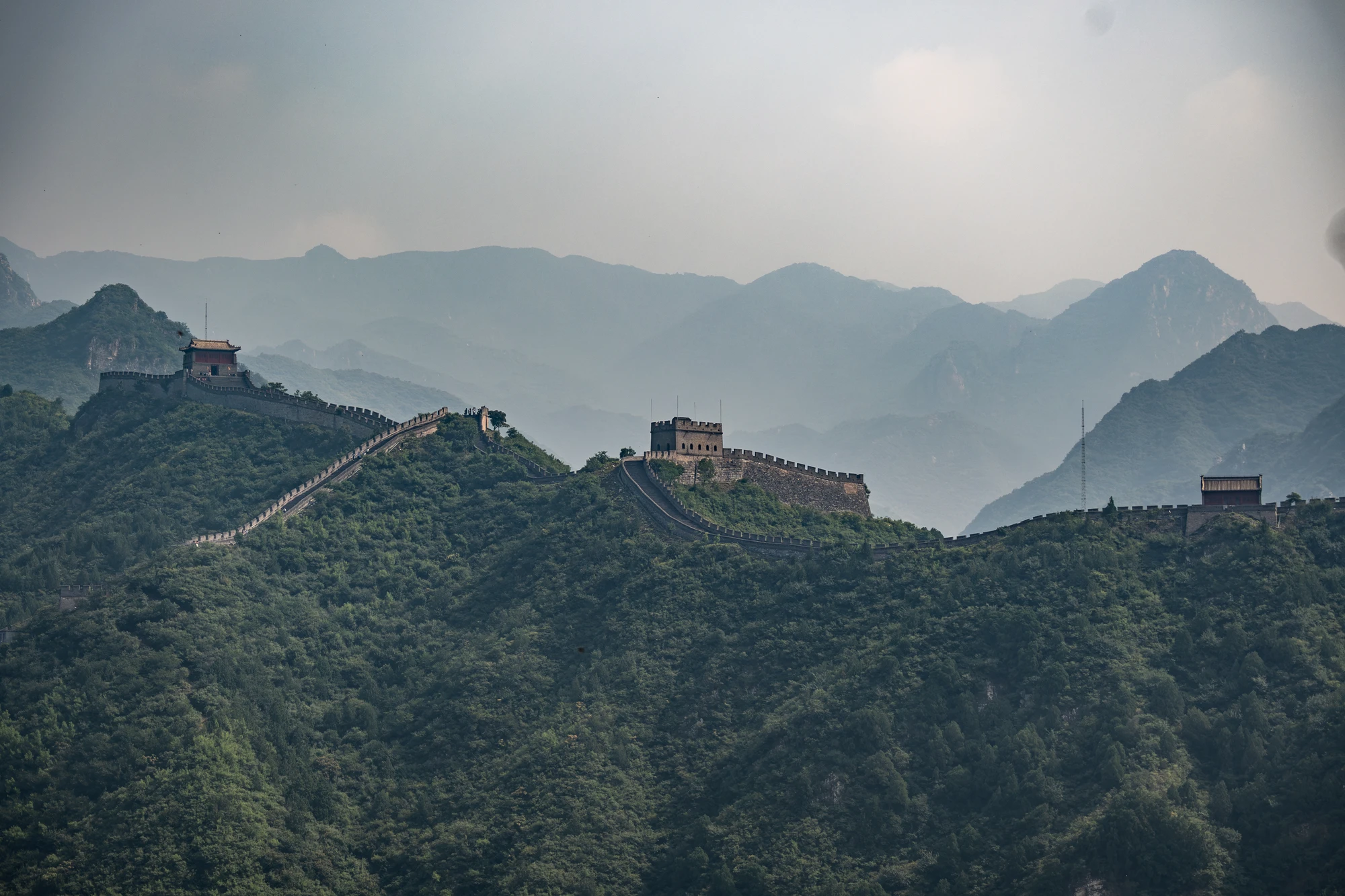
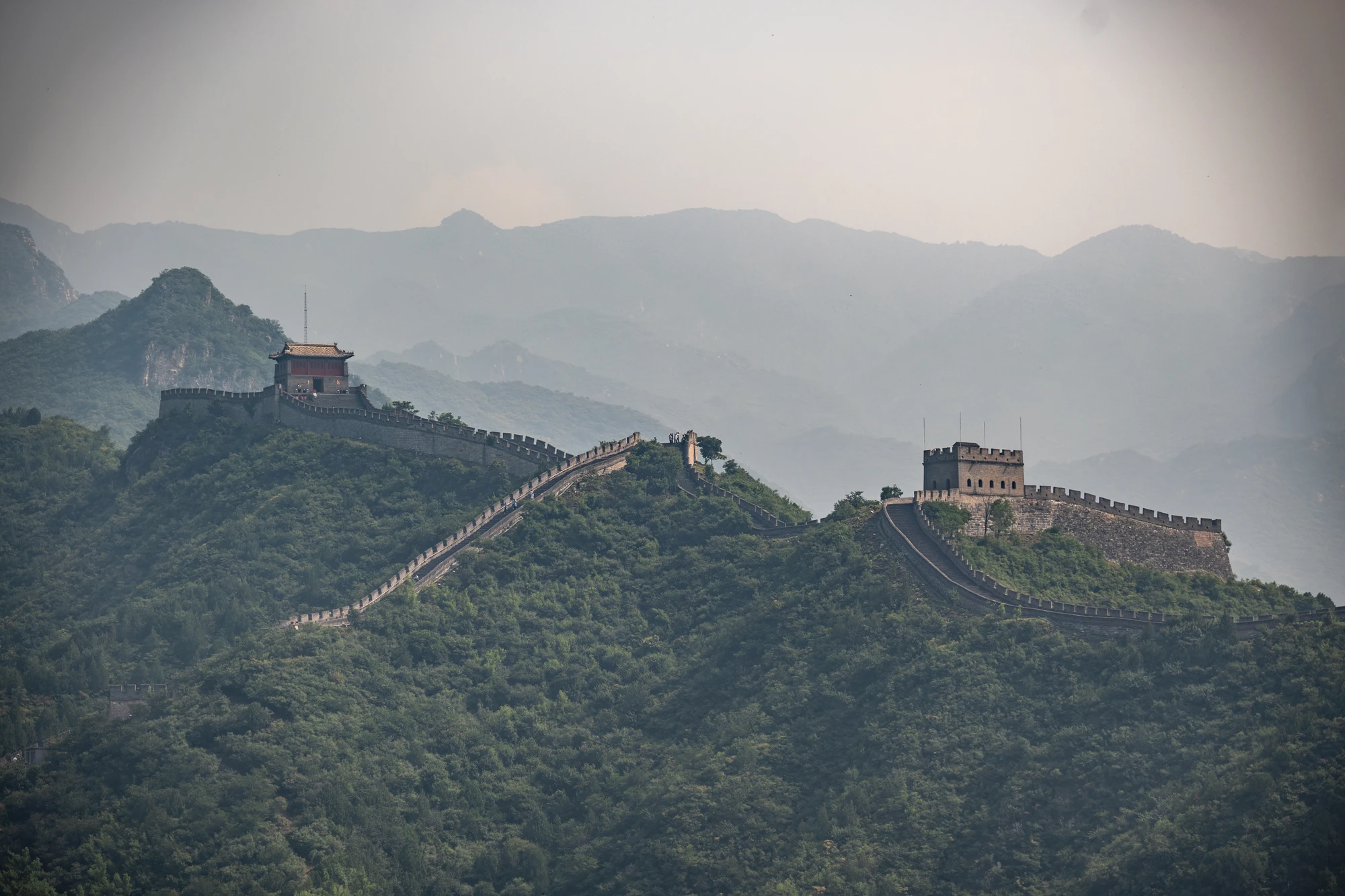
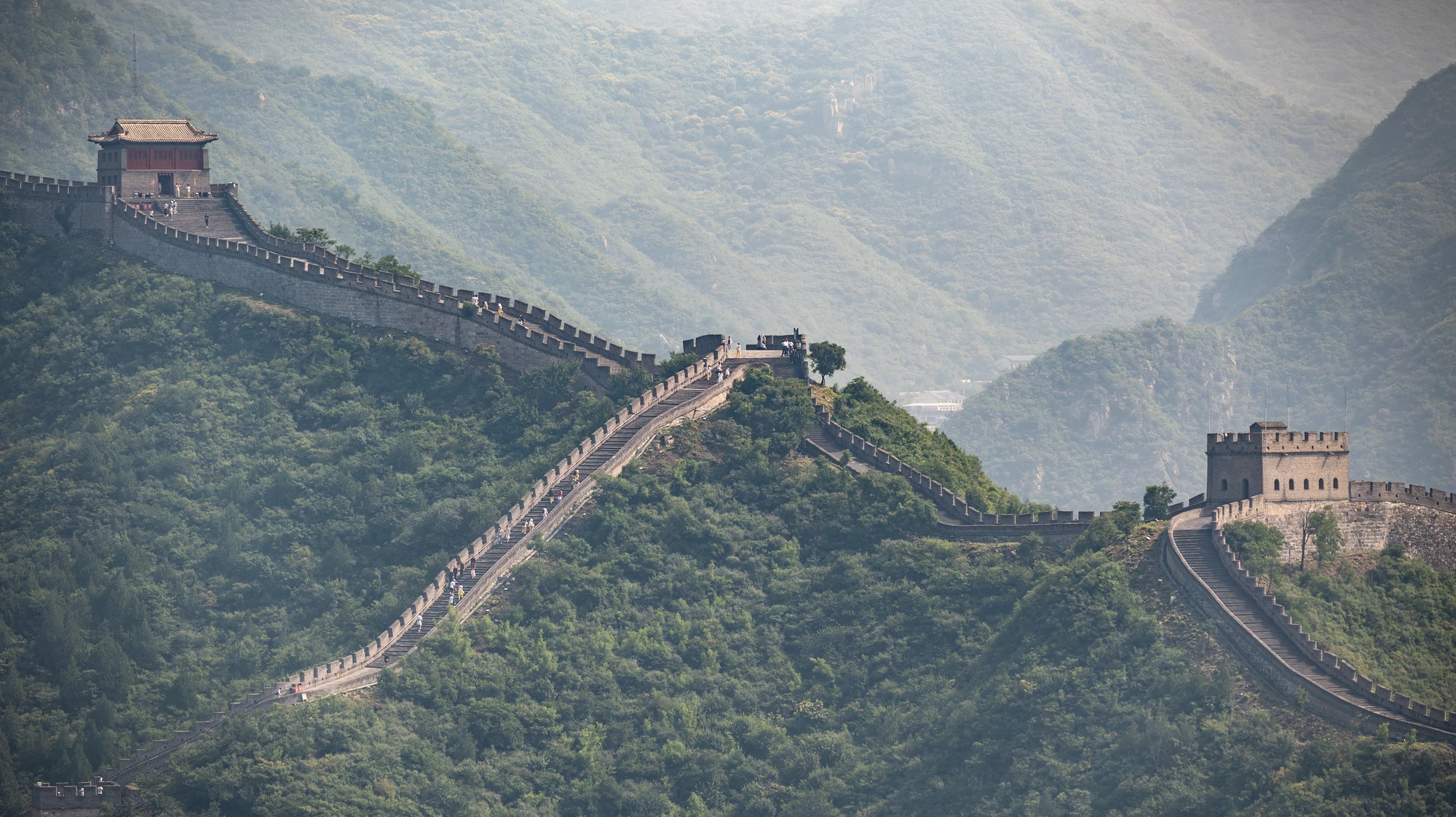
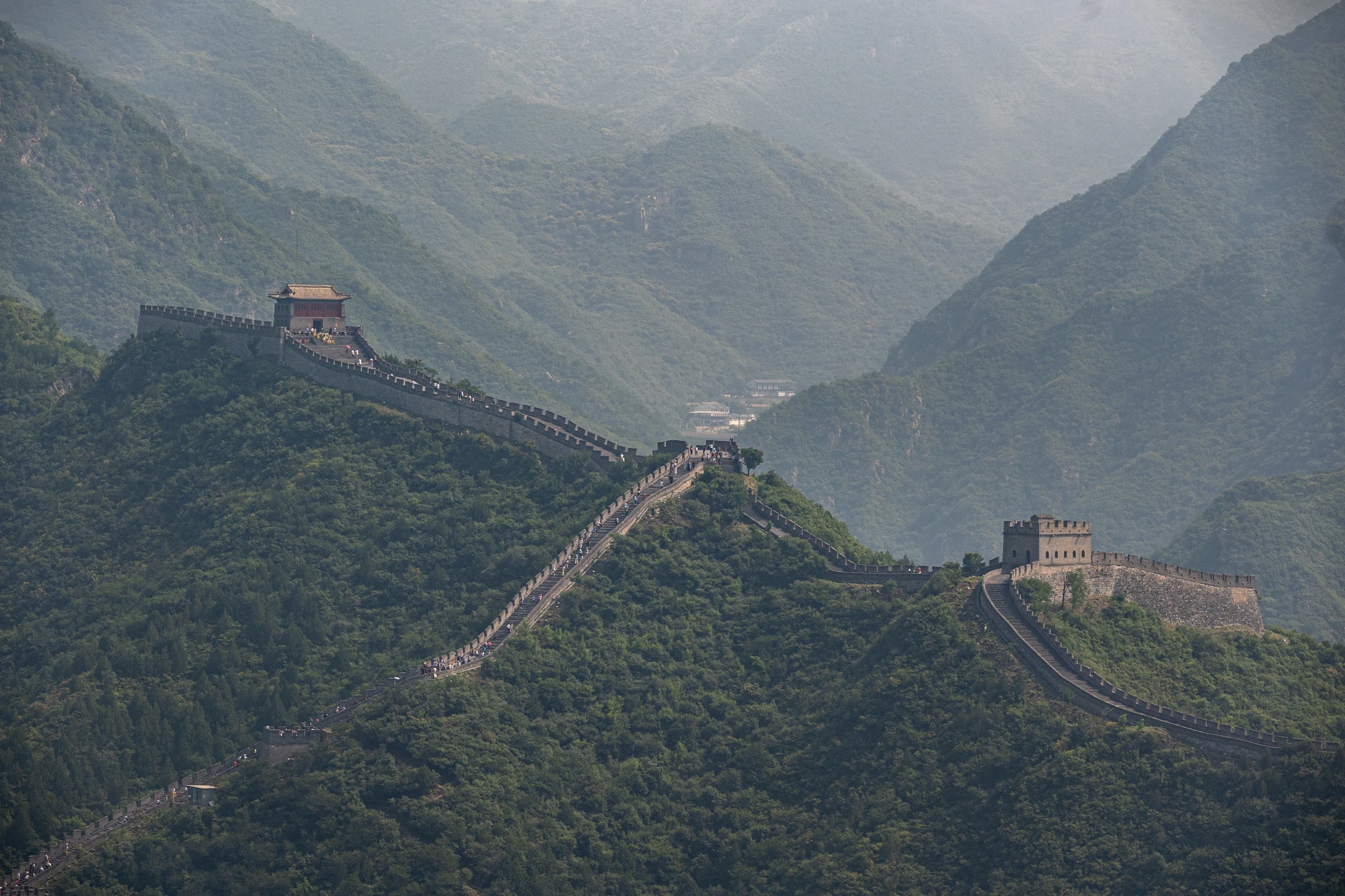
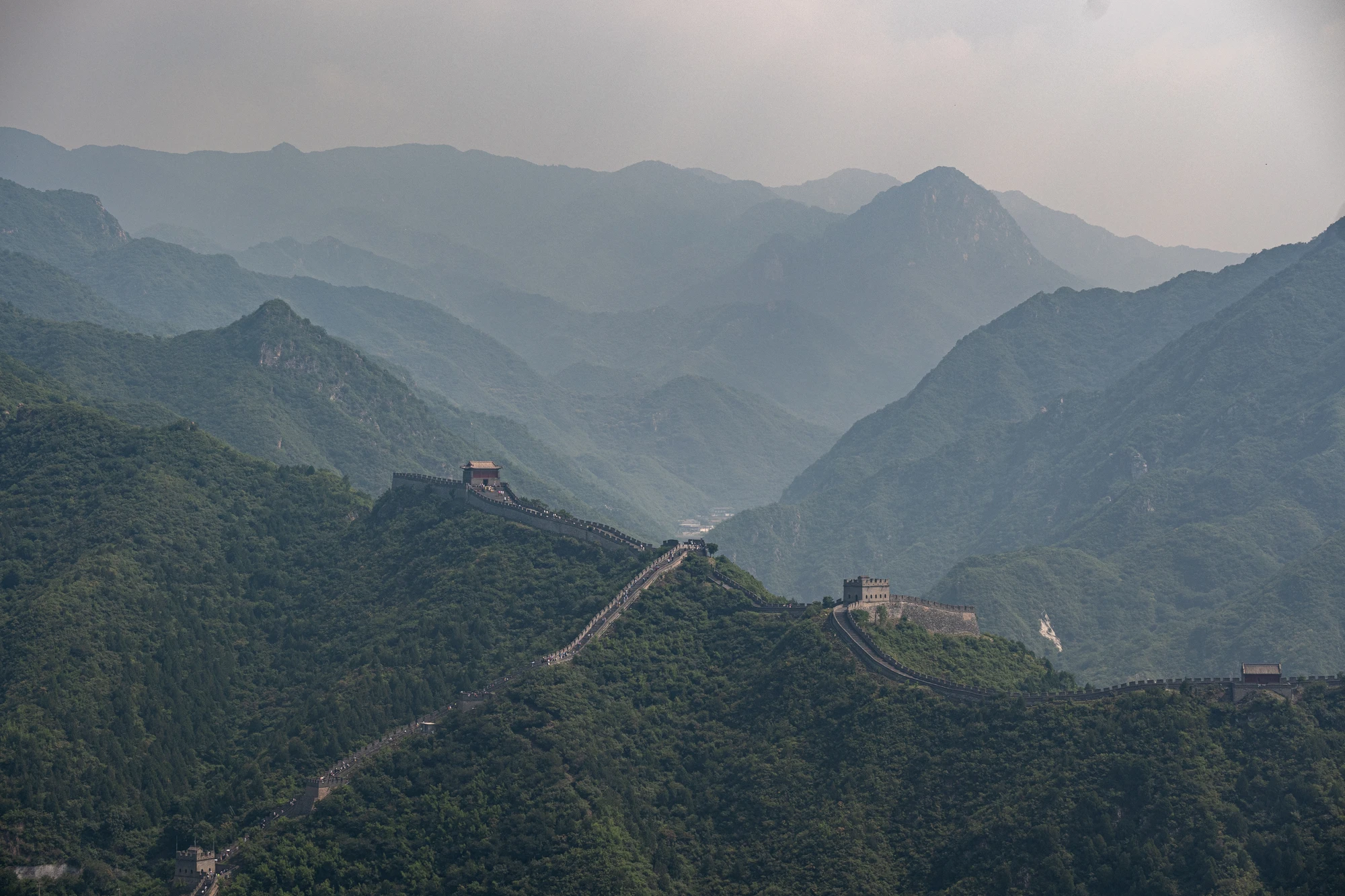
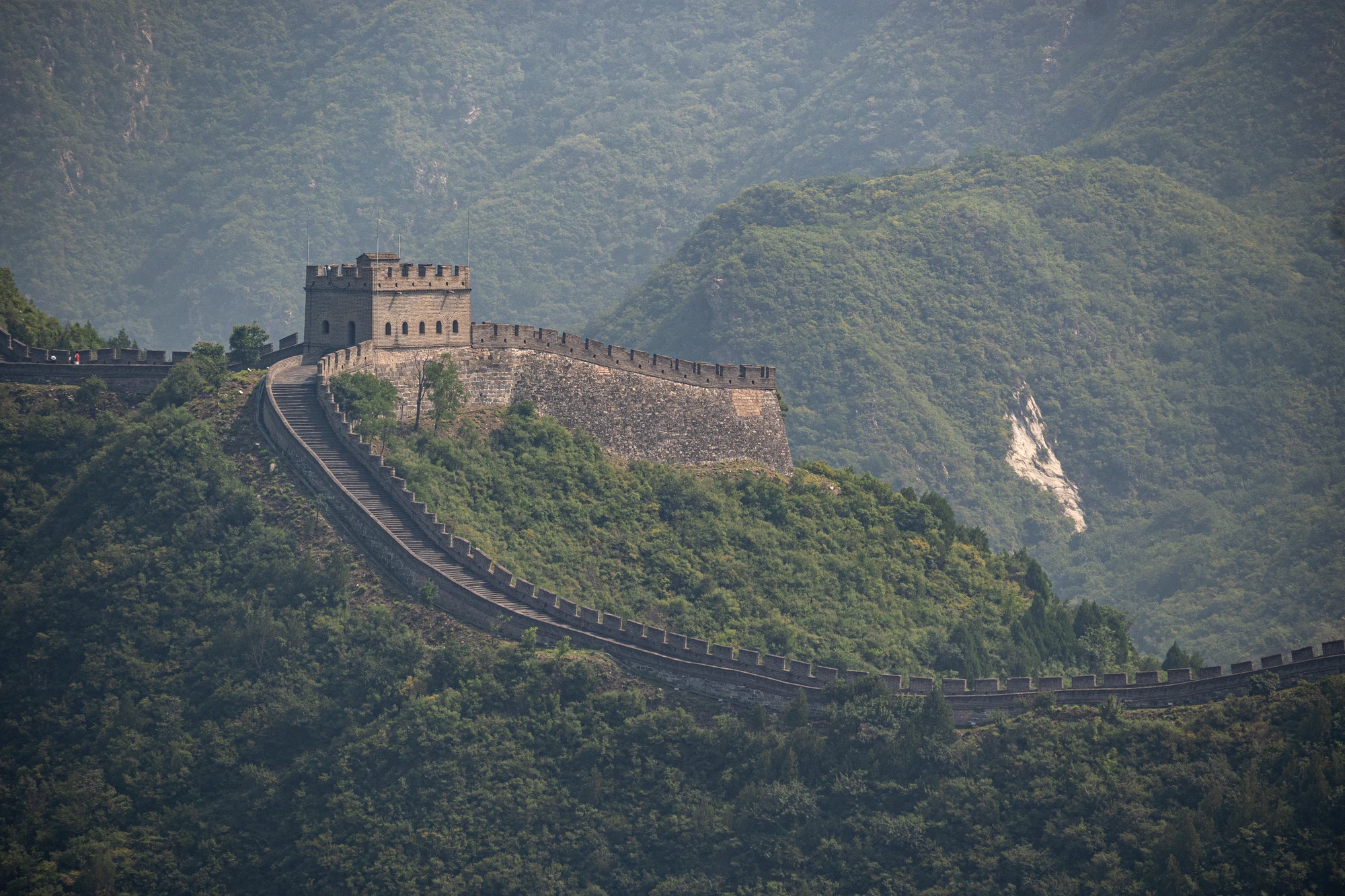
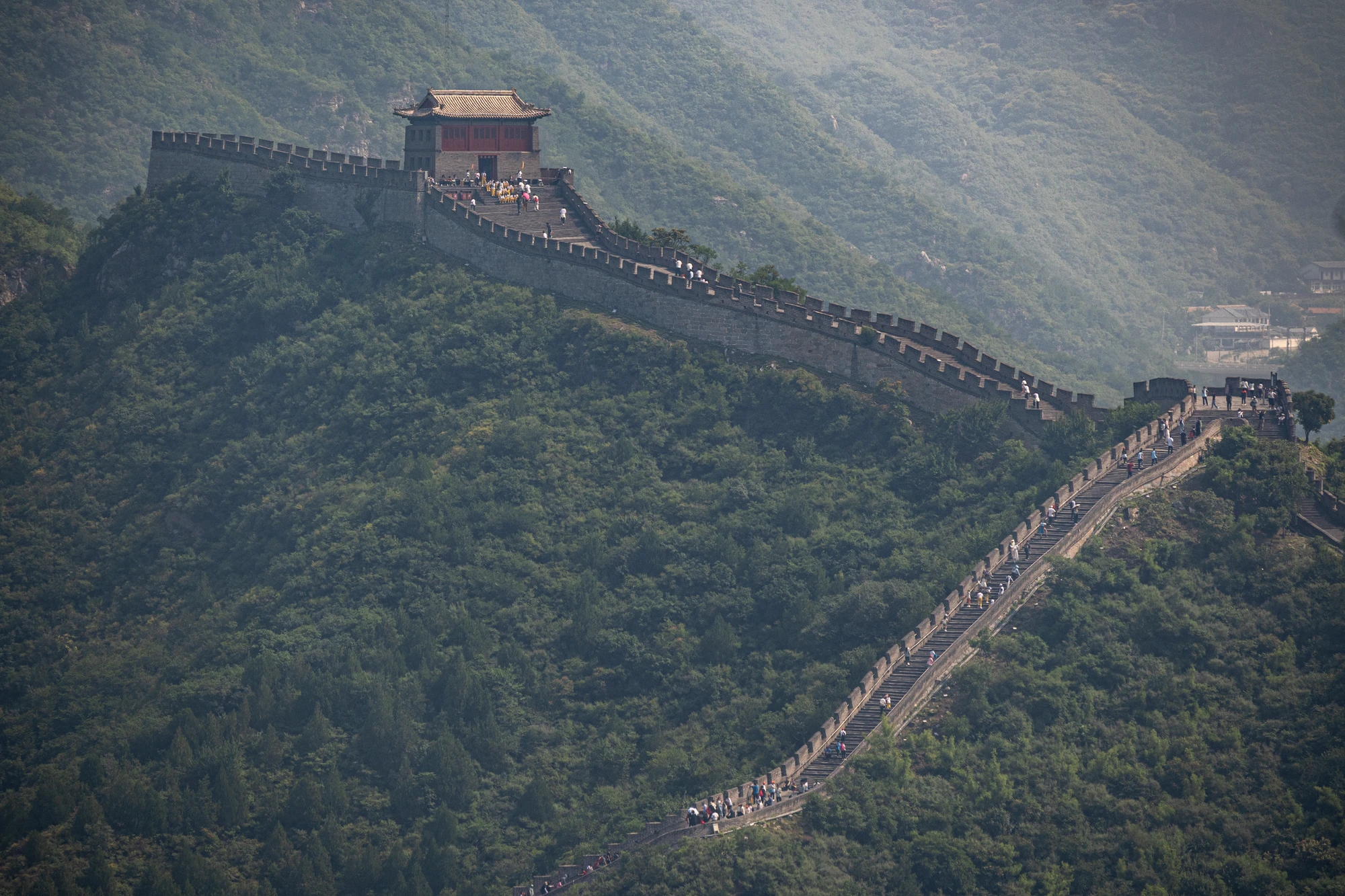
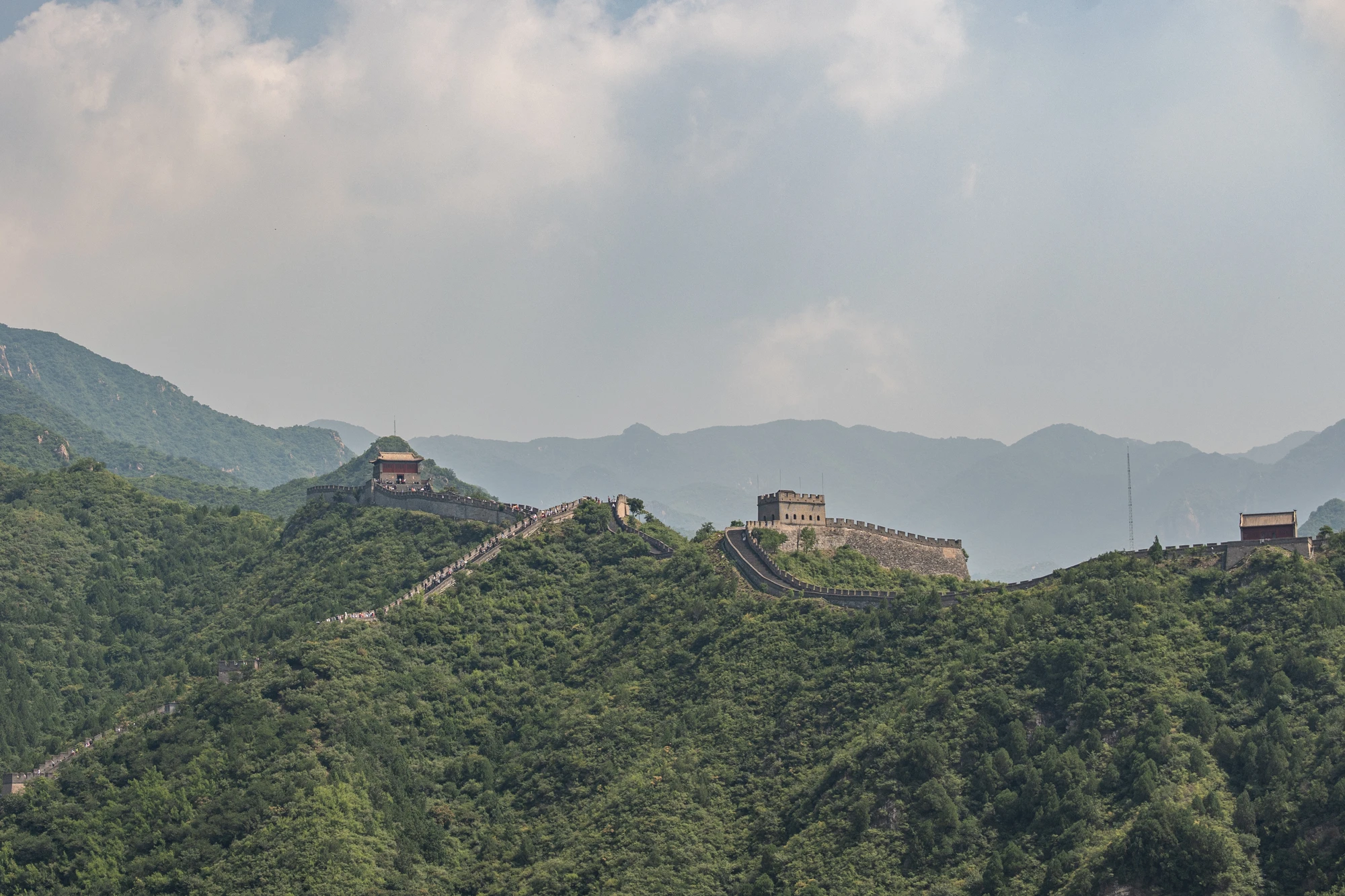
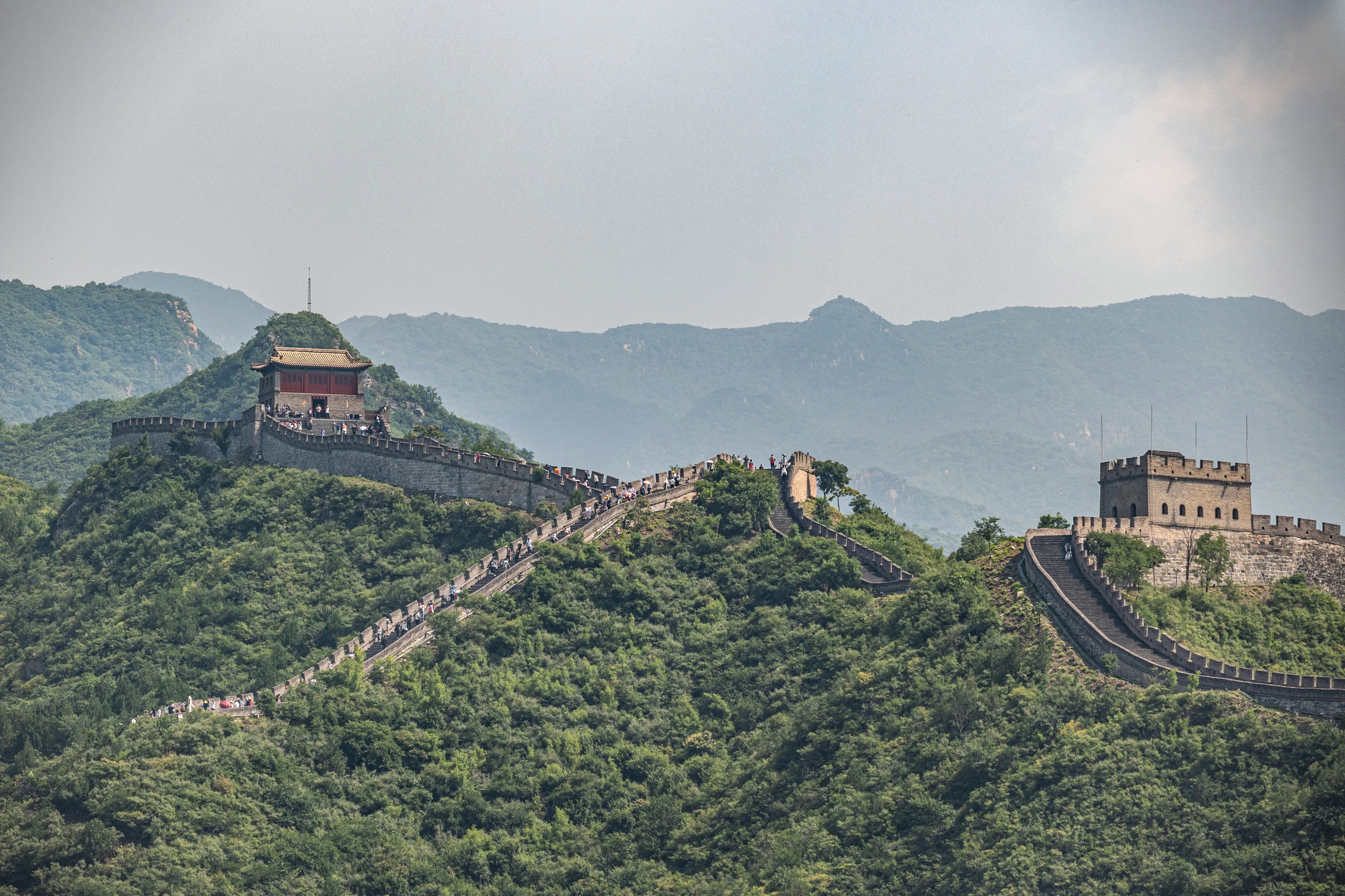
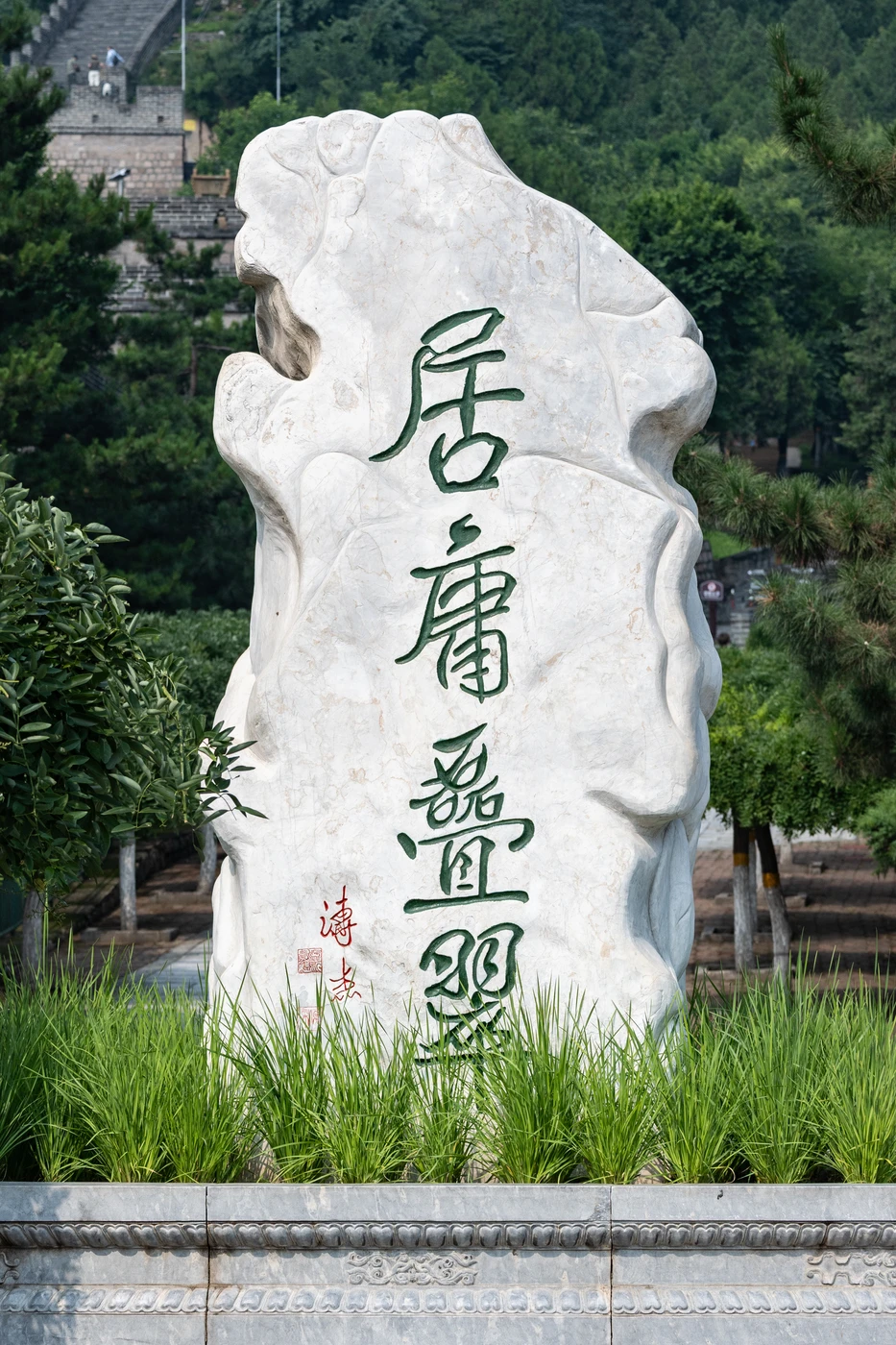
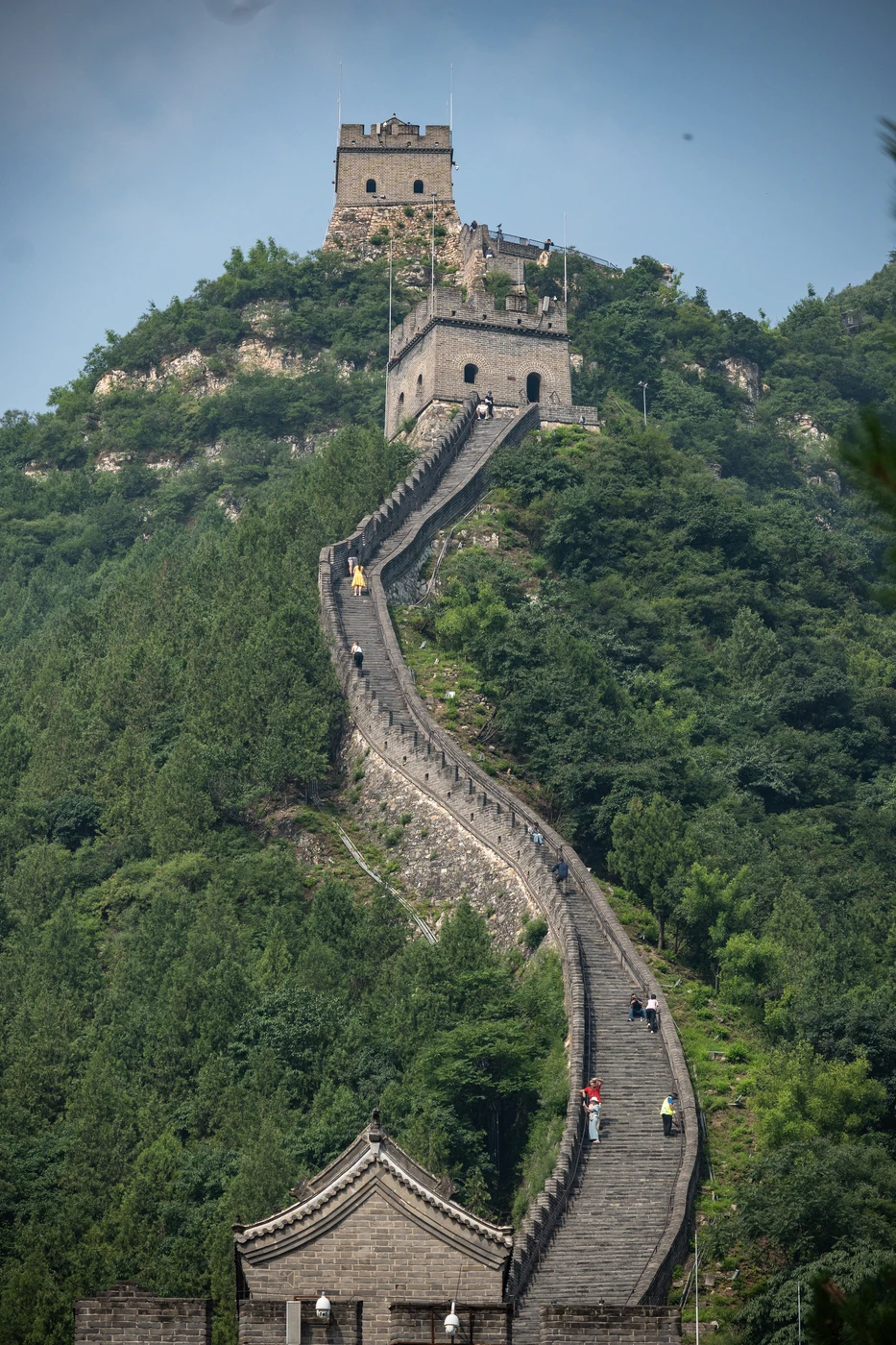
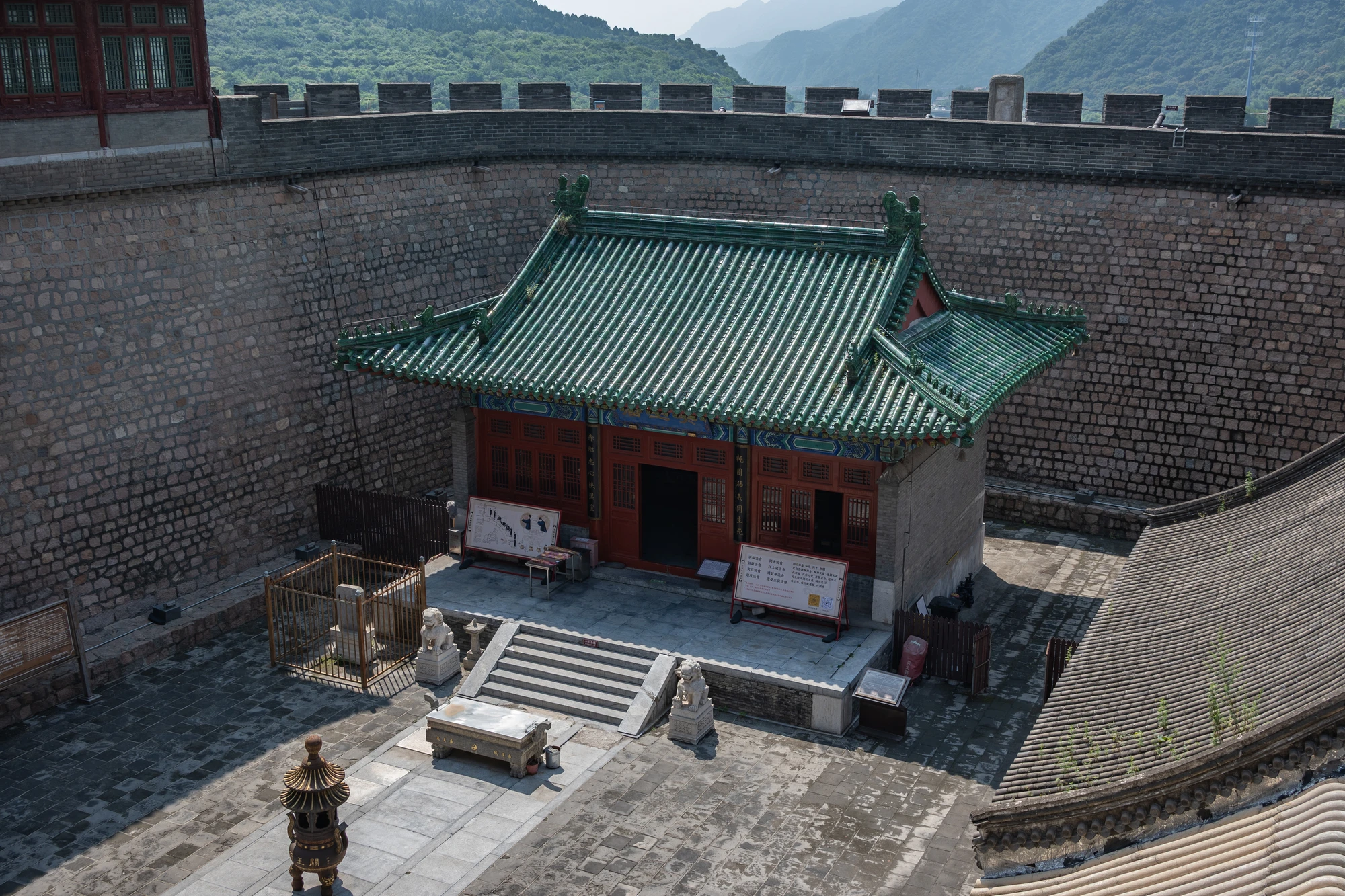
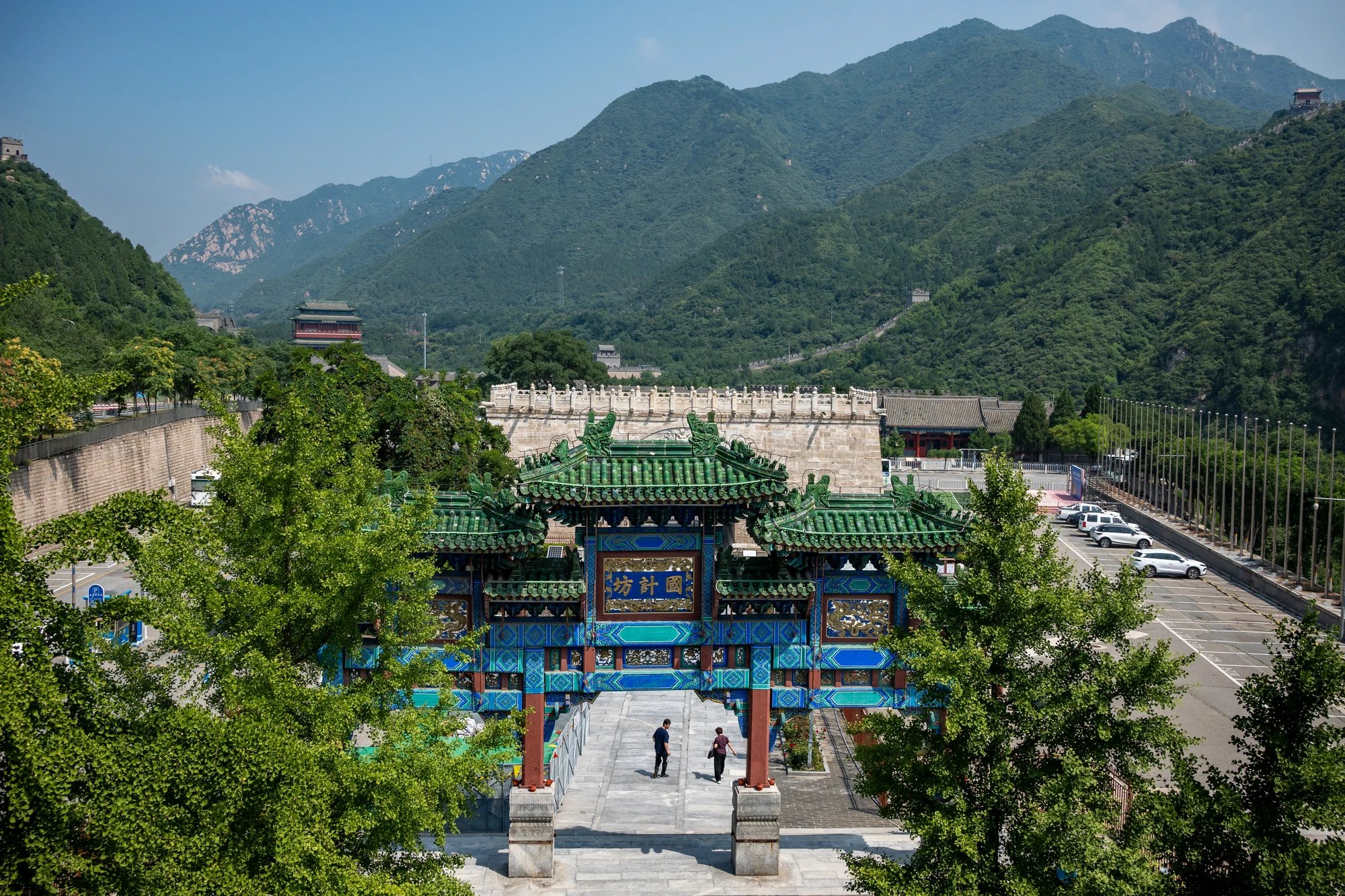
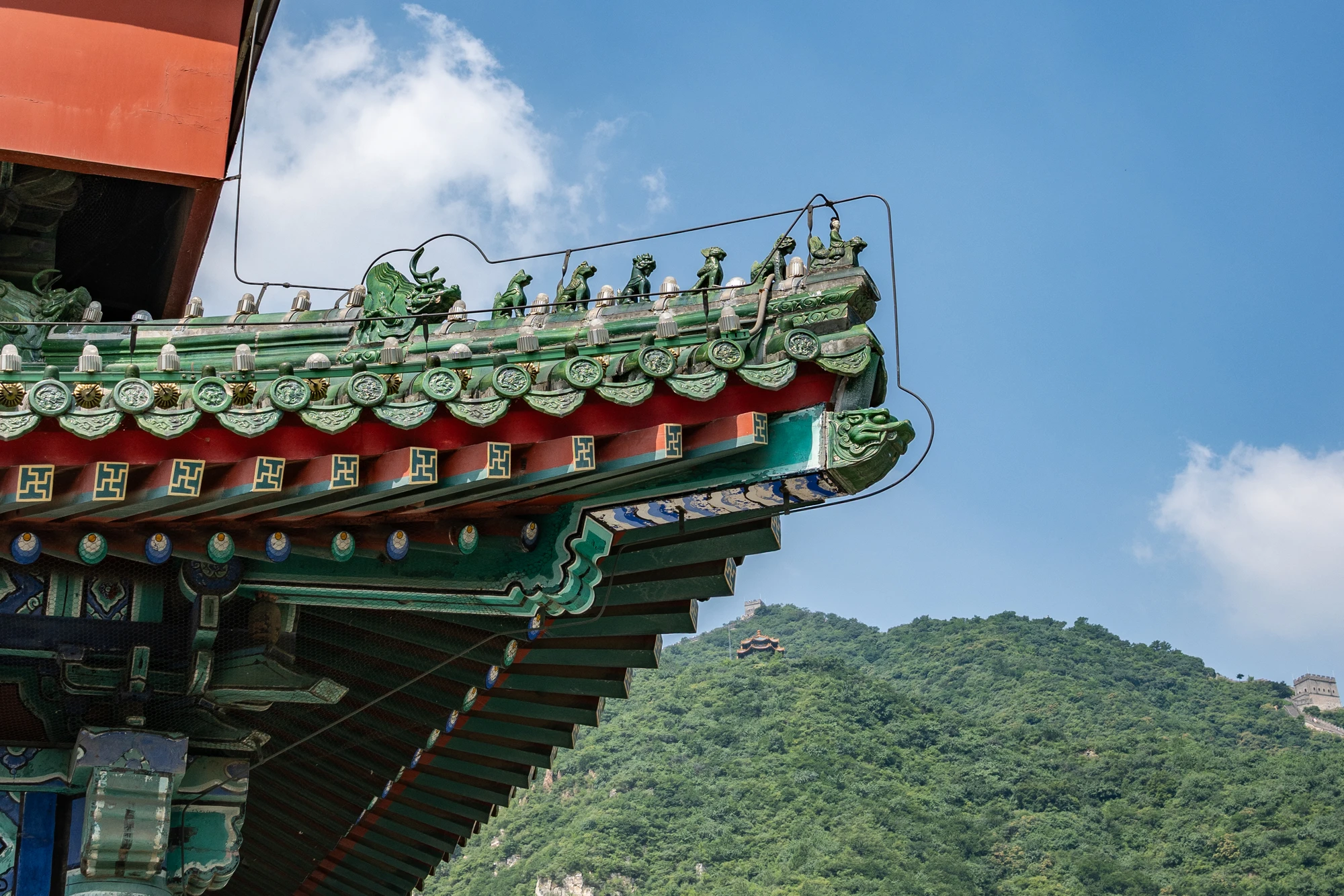
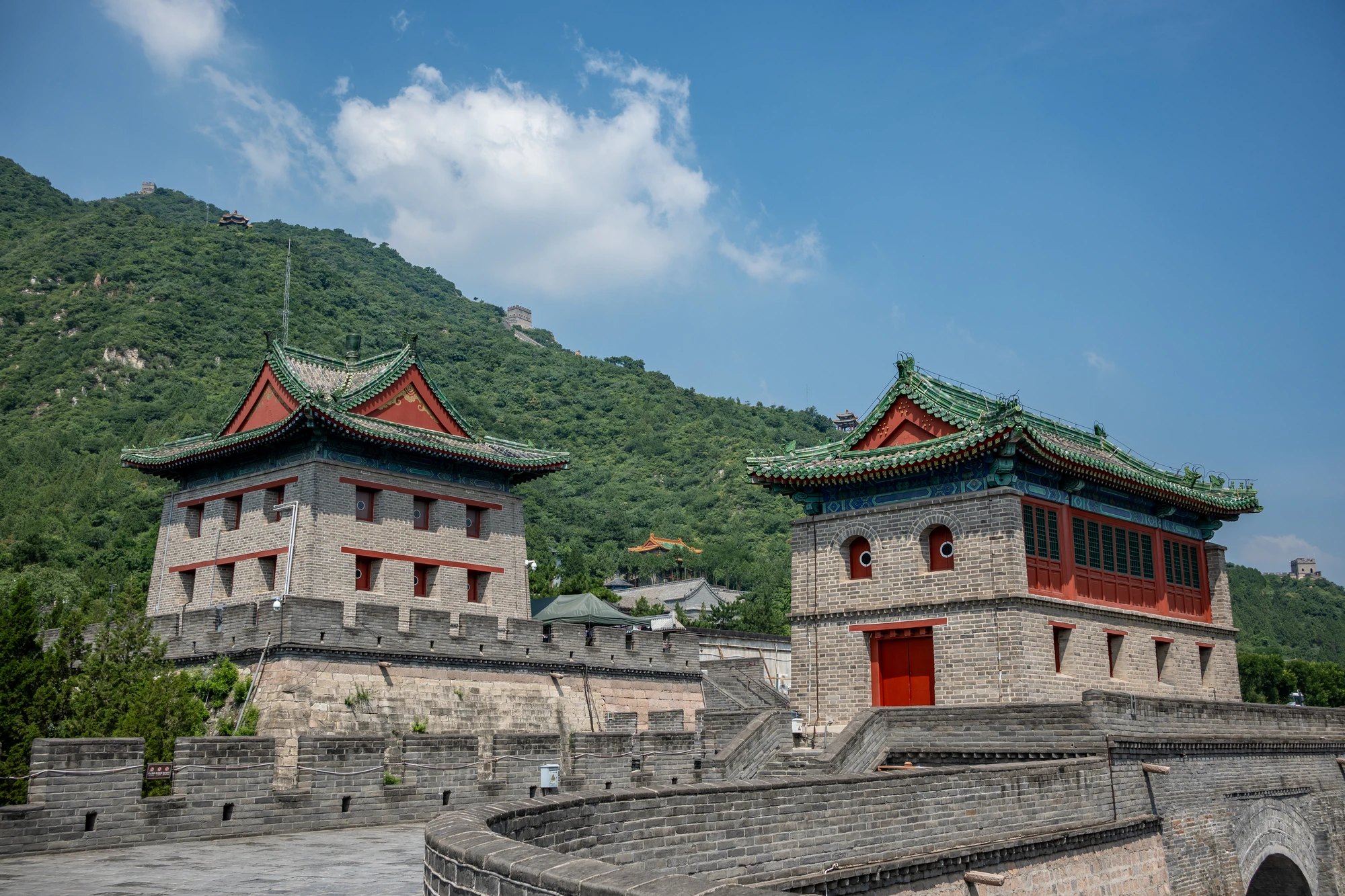
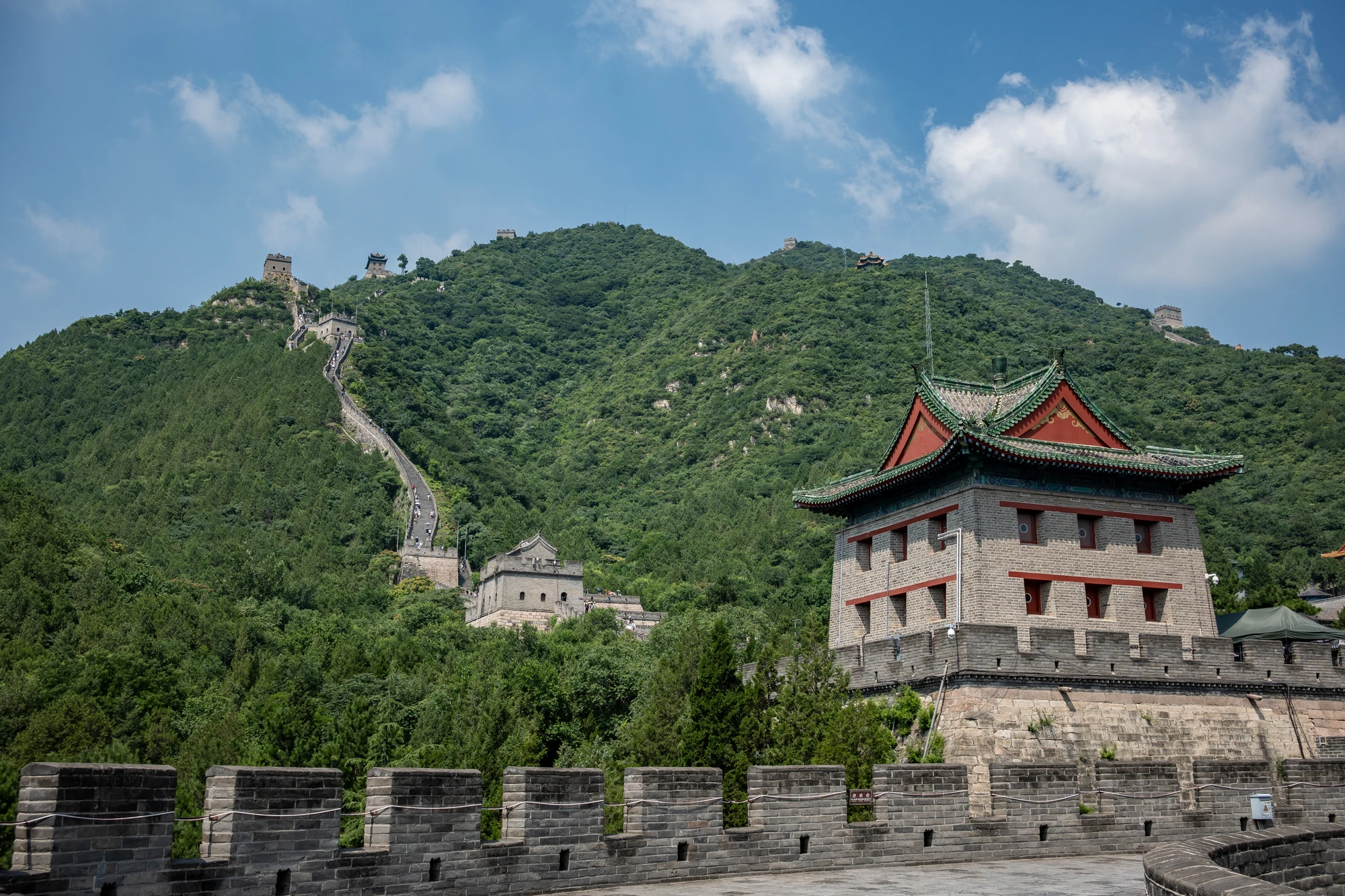
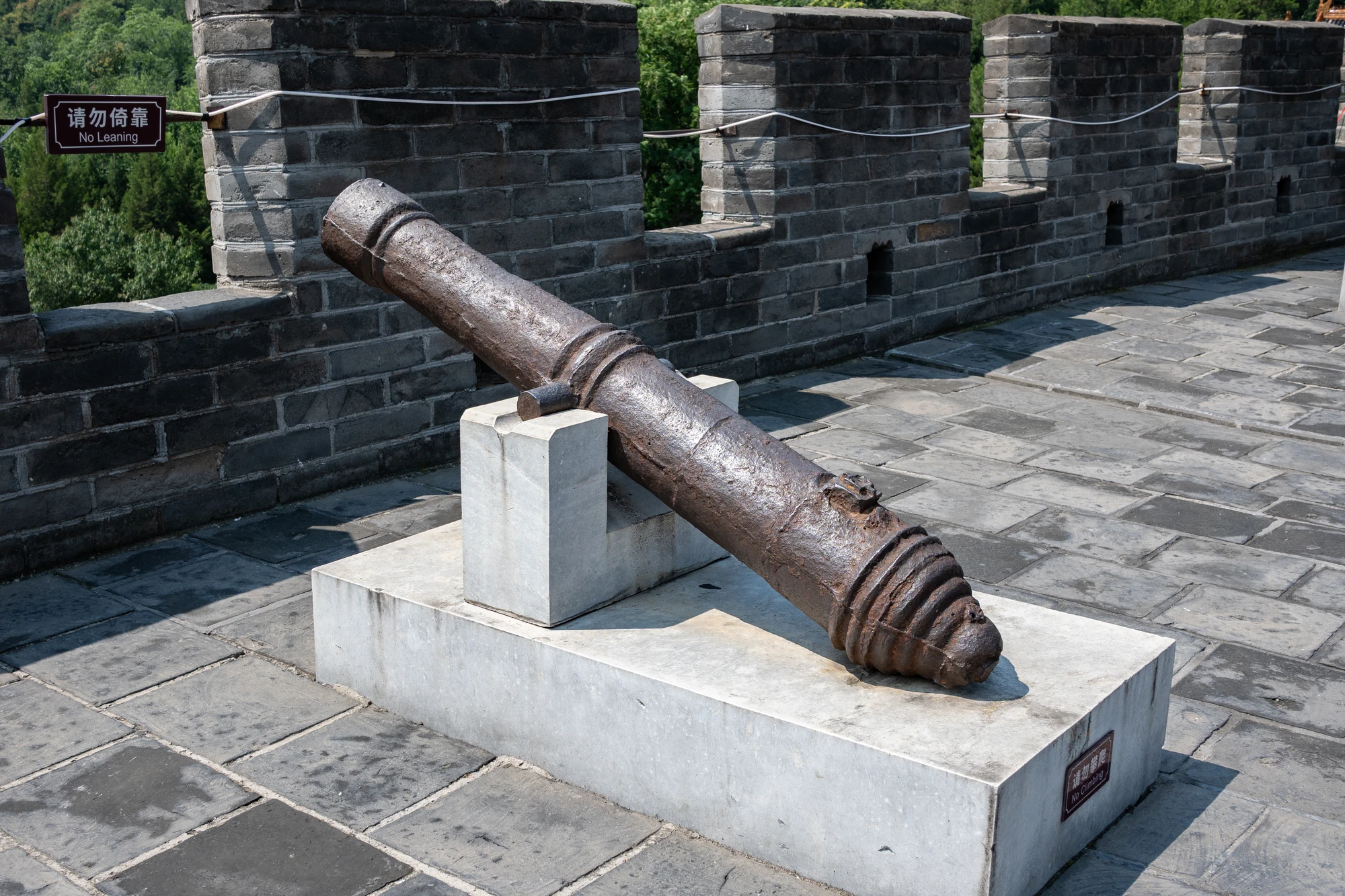
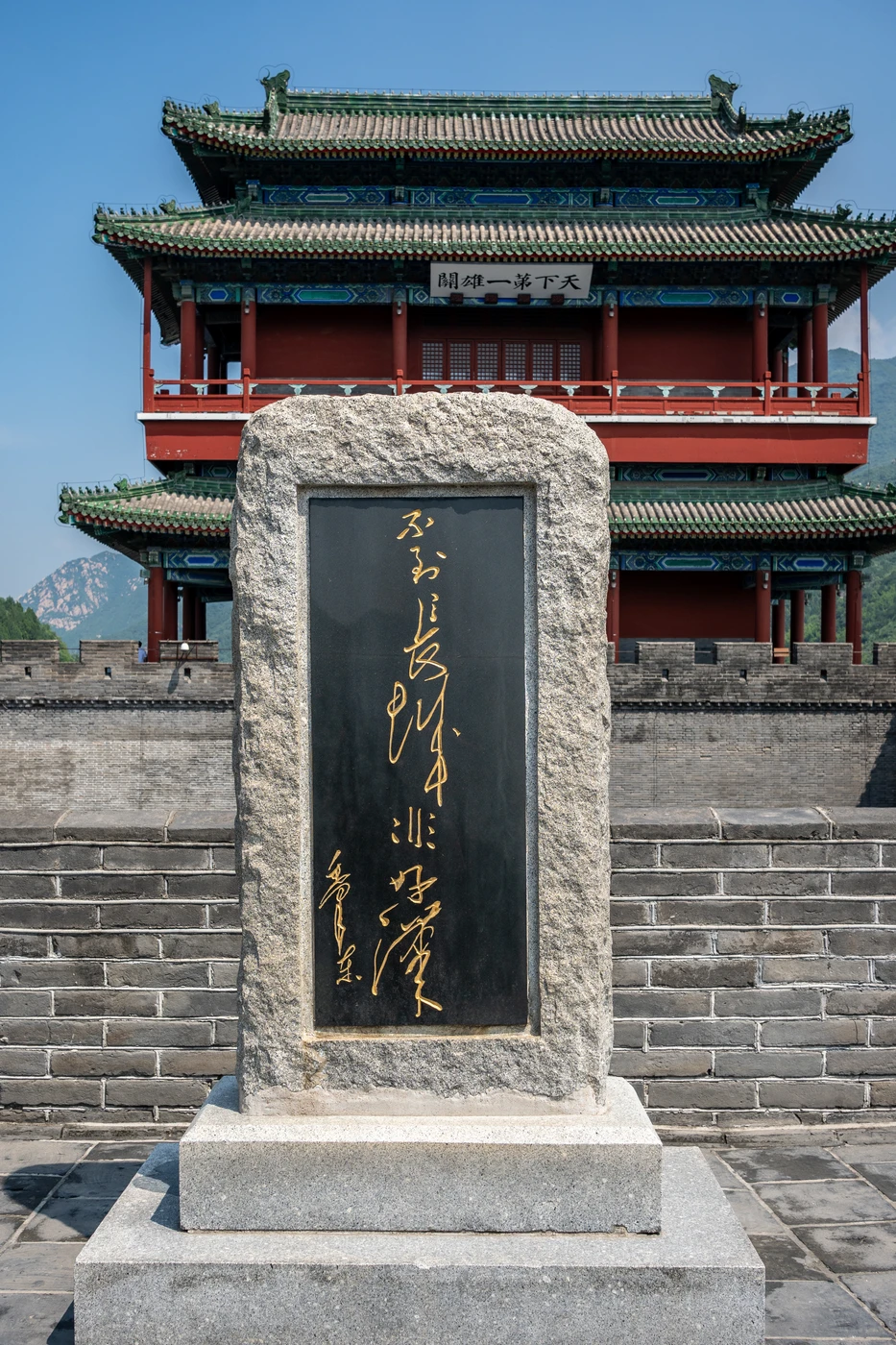
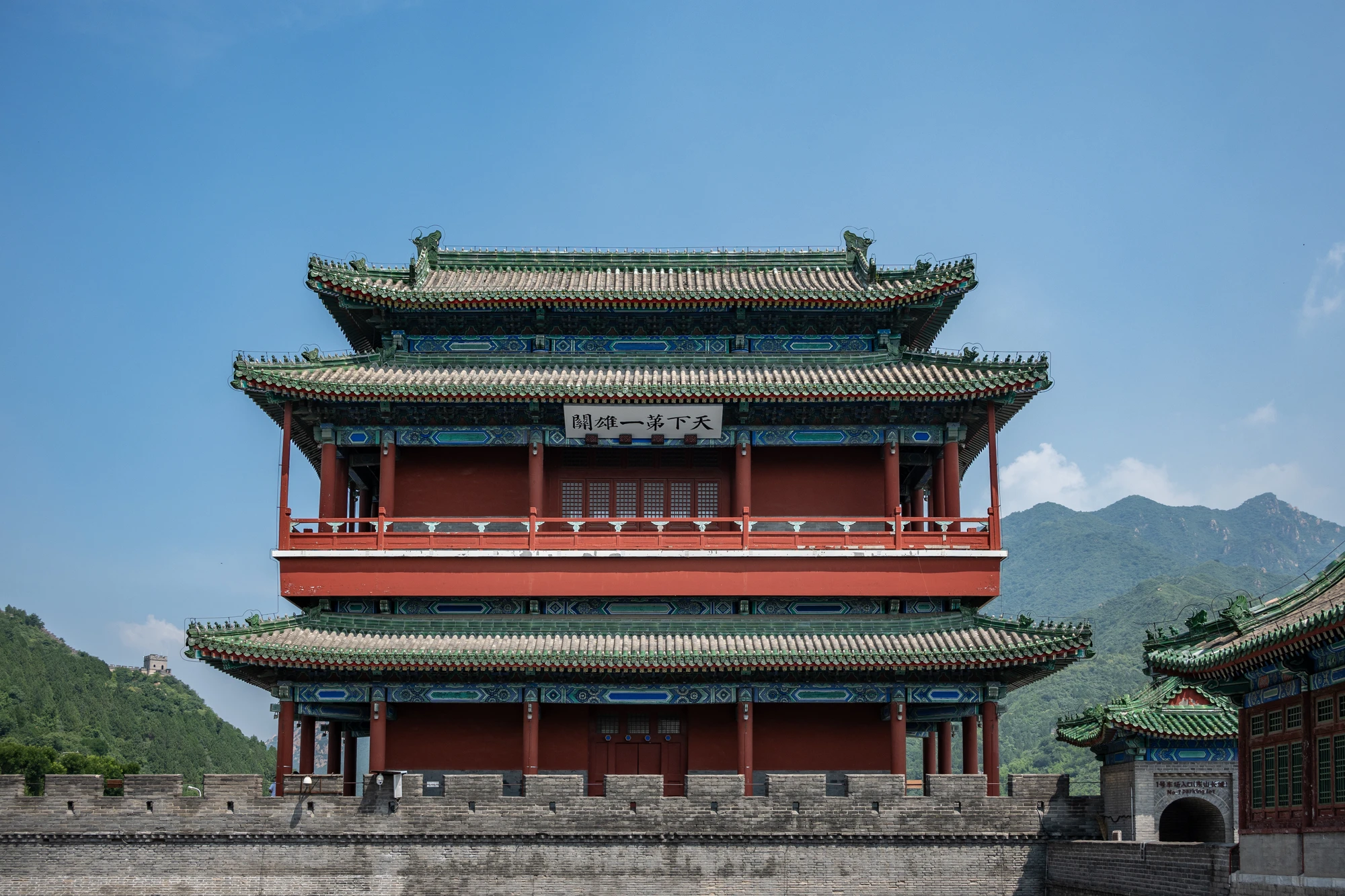
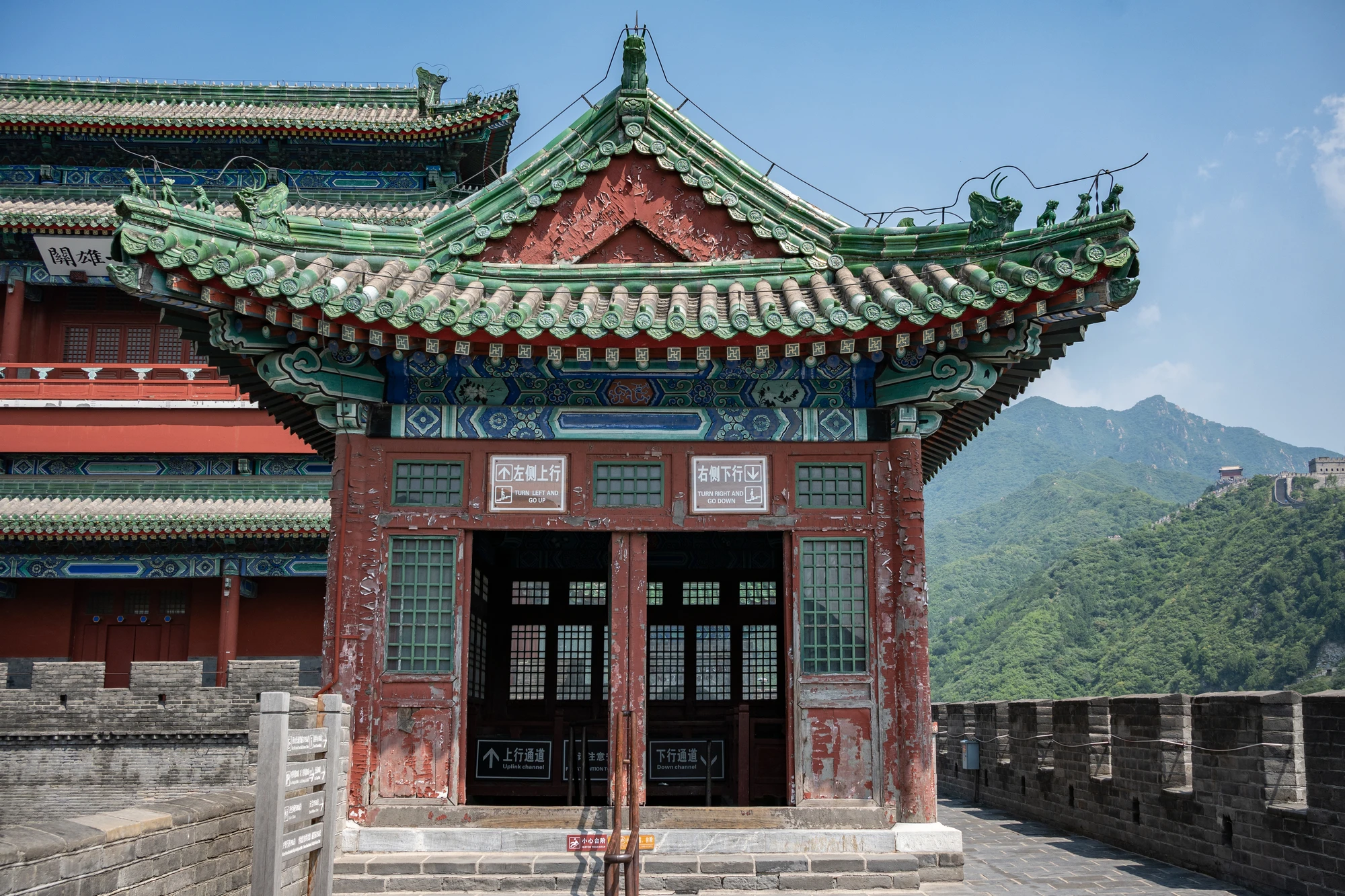
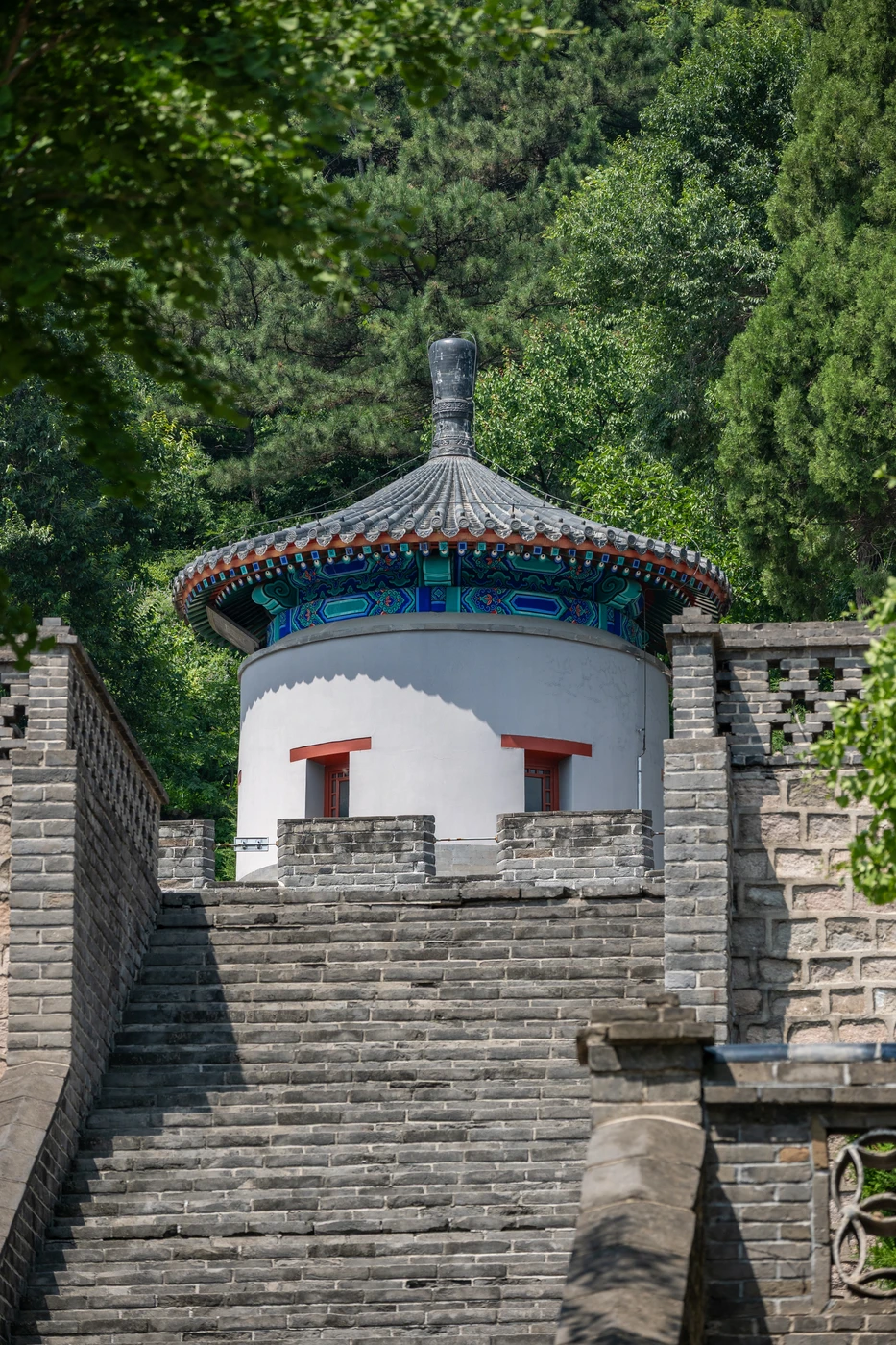
The Great Wall of China was built and rebuilt over many centuries, with the history of its earliest sections stretching back to several centuries before Christ. Extending across mountains, valleys and vast landscapes of northern China, the different sections of the wall form one of the most remarkable defensive structures ever created. Some of its best-preserved and most impressive sections can be visited from Beijing, while more remote areas offer a wilder and very different experience.
As one of the most famous landmarks in the world, the Great Wall attracts huge numbers of visitors. This can make it difficult to photograph the wall without people, particularly at the most popular sections and viewpoints. The steep steps and mountainous terrain can also make exploring the wall physically demanding, especially during hot and humid summer weather. Carrying enough water and allowing plenty of time for the walk is important.
I visited the Great Wall early in the morning, when there were still relatively few tourists around. The air was already warm and extremely humid, creating a noticeable haze over the surrounding landscape. From a photographic point of view, these conditions had both advantages and disadvantages.
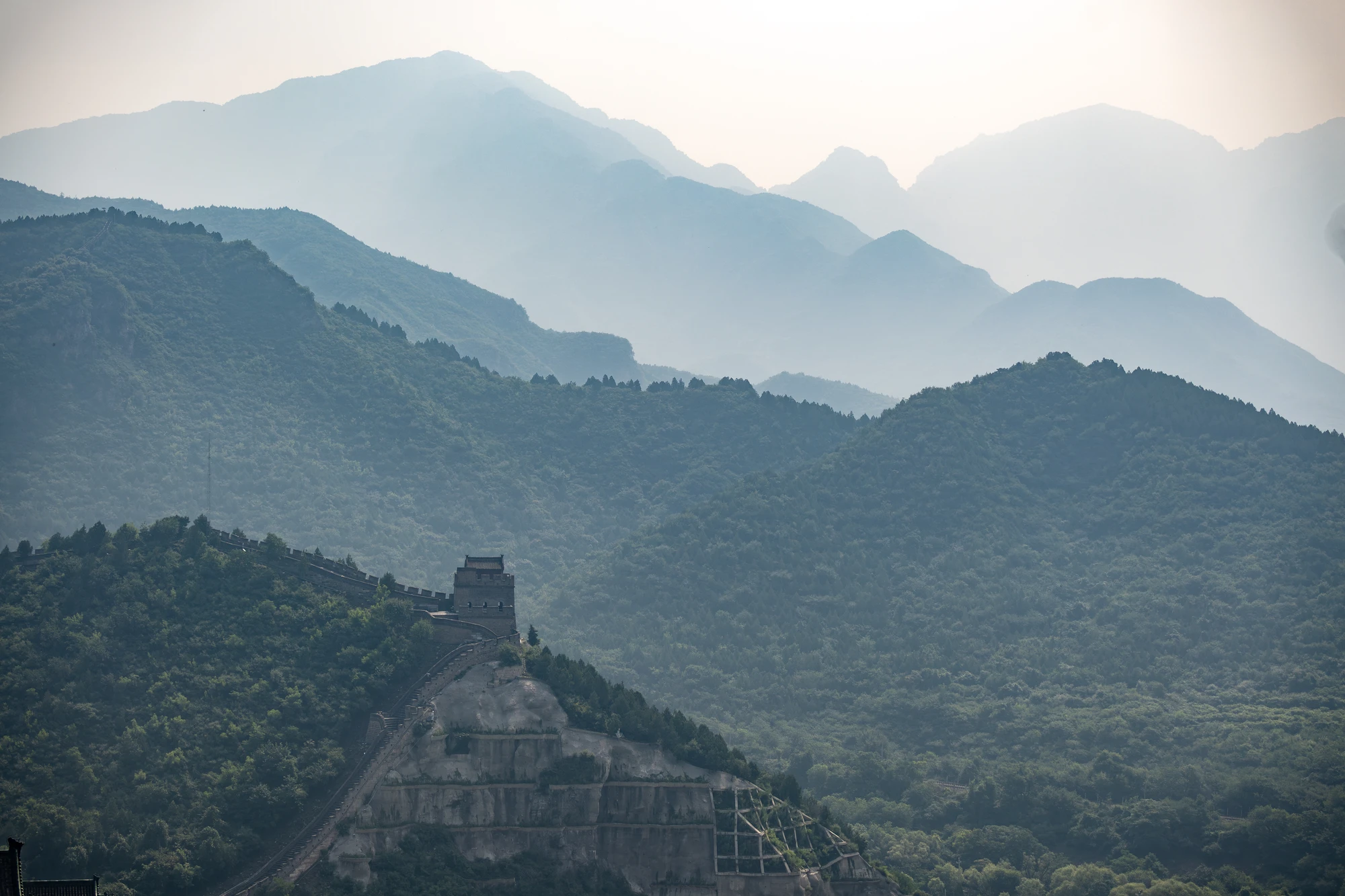
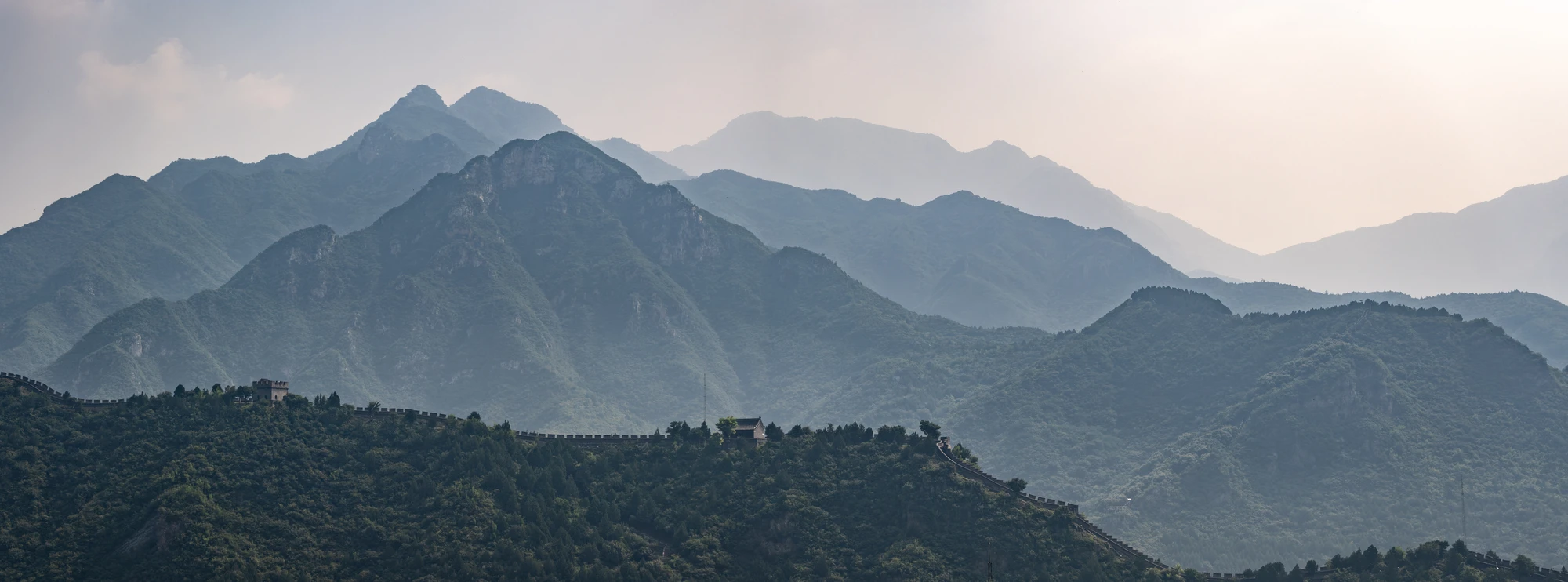
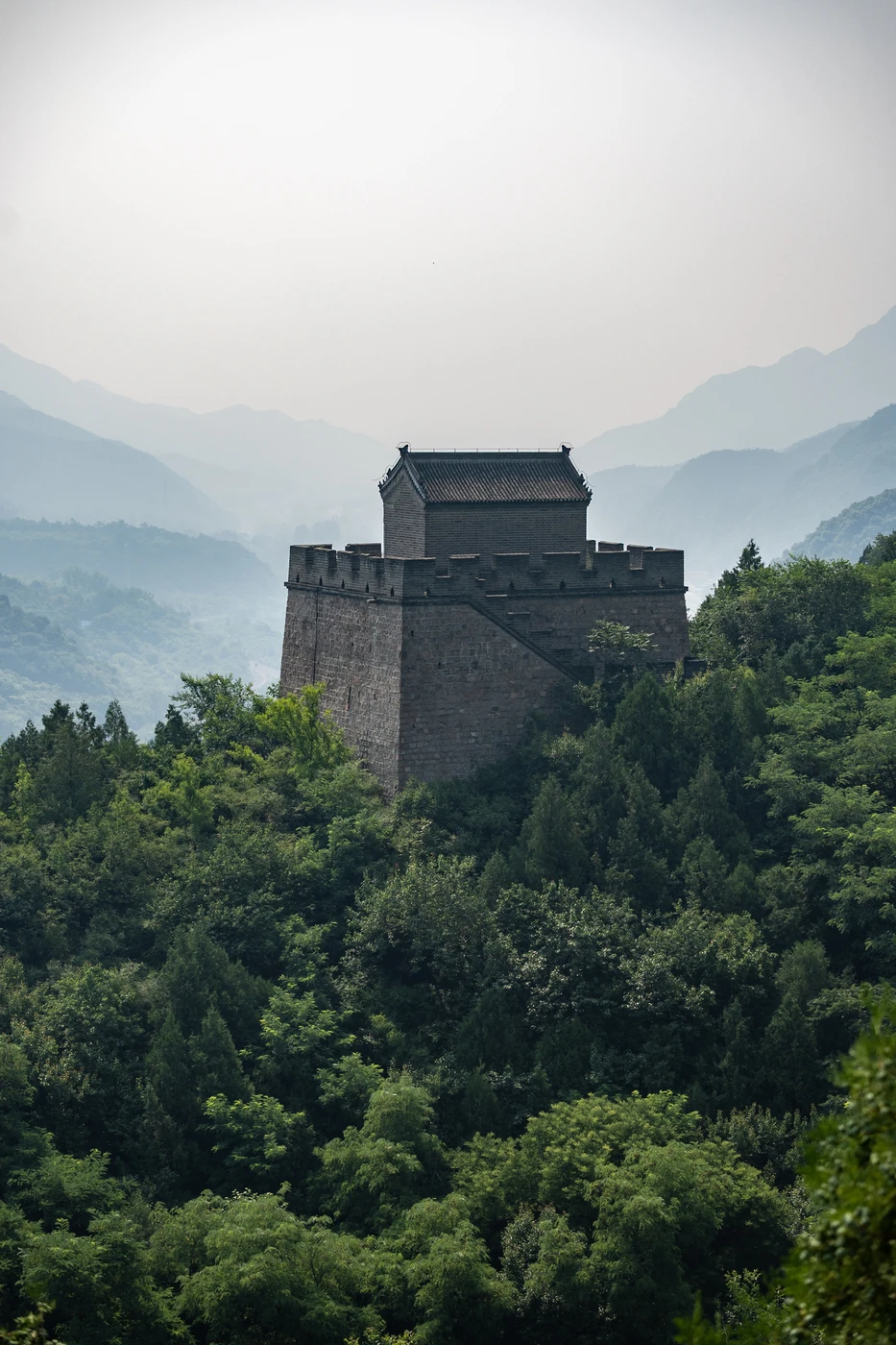
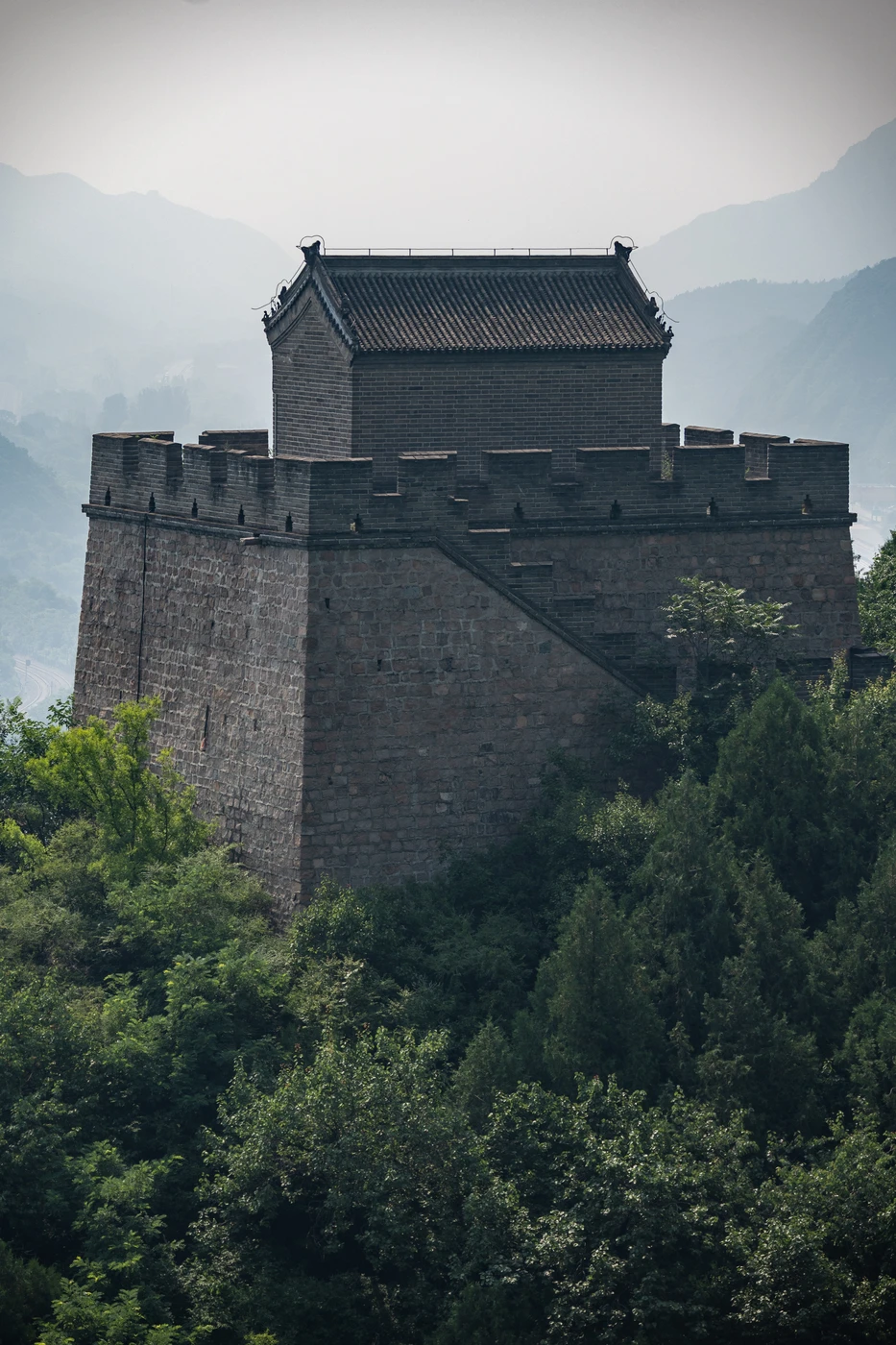
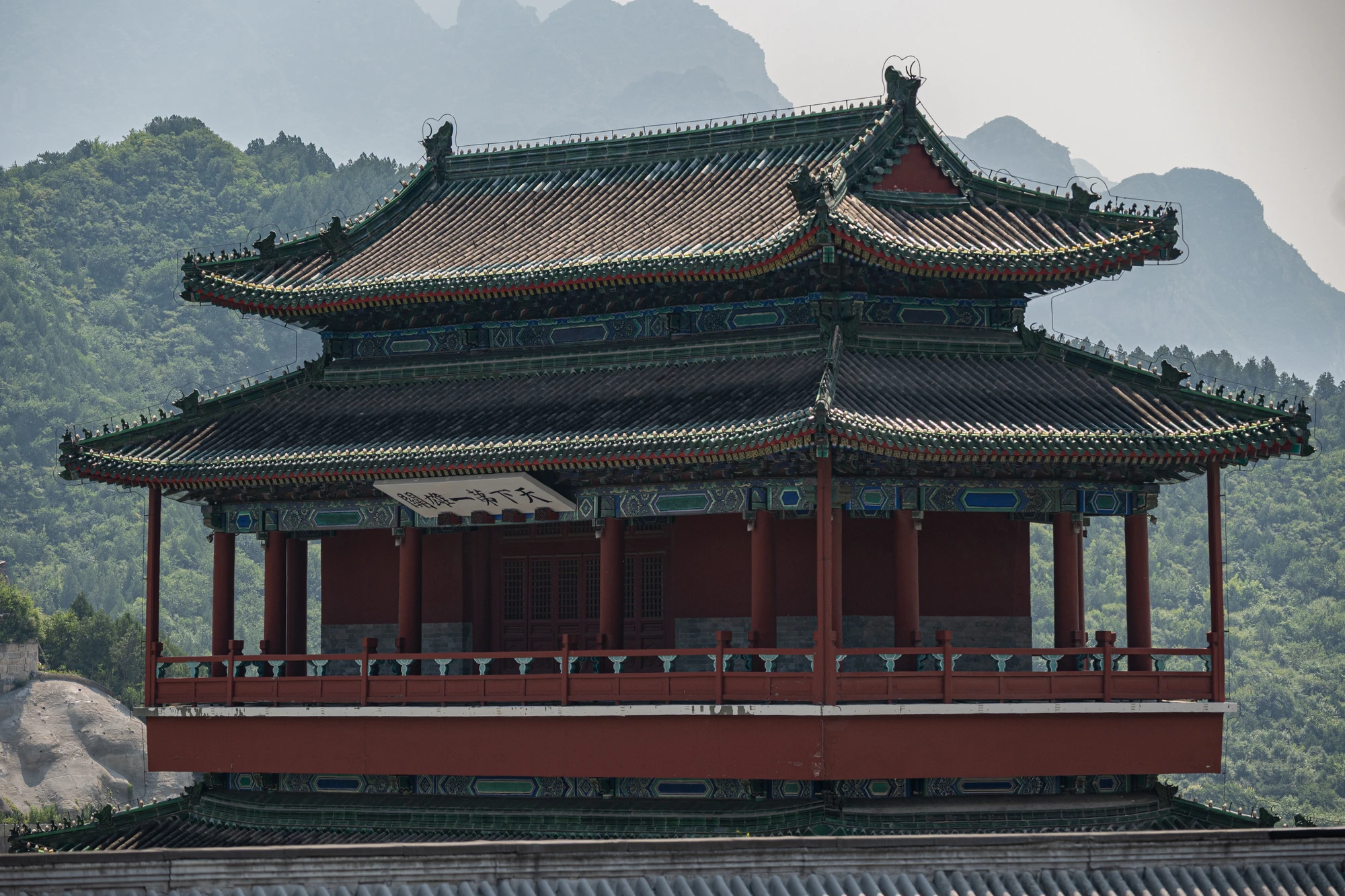
The distant mountains and hills gradually disappeared into the hazy, almost misty atmosphere, creating a beautiful sense of depth and separation between the different layers of the landscape. At the same time, the haze significantly reduced contrast, particularly in distant subjects.
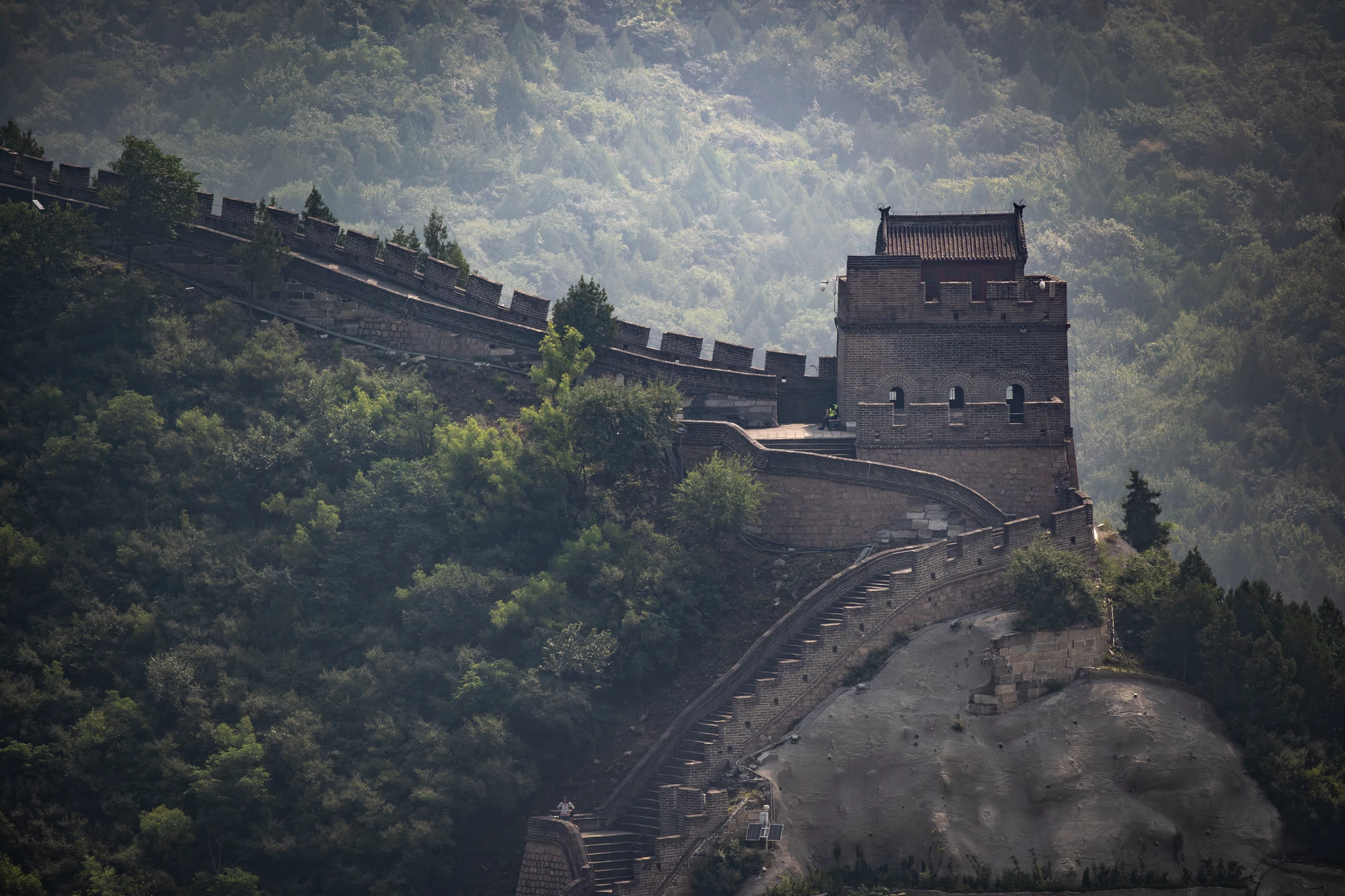
Changing the direction of the camera in relation to the sun produced very different results. With the sun behind me, colours and details appeared clearer, while photographing more towards the light emphasised the haze and created softer, more atmospheric layers in the distant mountains. Instead of trying to eliminate the haze completely, I found that it could become an interesting part of the composition.
A wide-angle lens is particularly useful at the Great Wall, both for capturing the surrounding landscape and for showing how the wall follows the contours of the mountains. I mainly used my 24mm lens and also created several panoramic photographs by combining multiple overlapping images.
A telephoto lens can be equally useful. It allows you to isolate distant watchtowers and sections of the wall, compress the layers of the surrounding mountains, and create compositions that would be impossible with a wide-angle lens alone.